

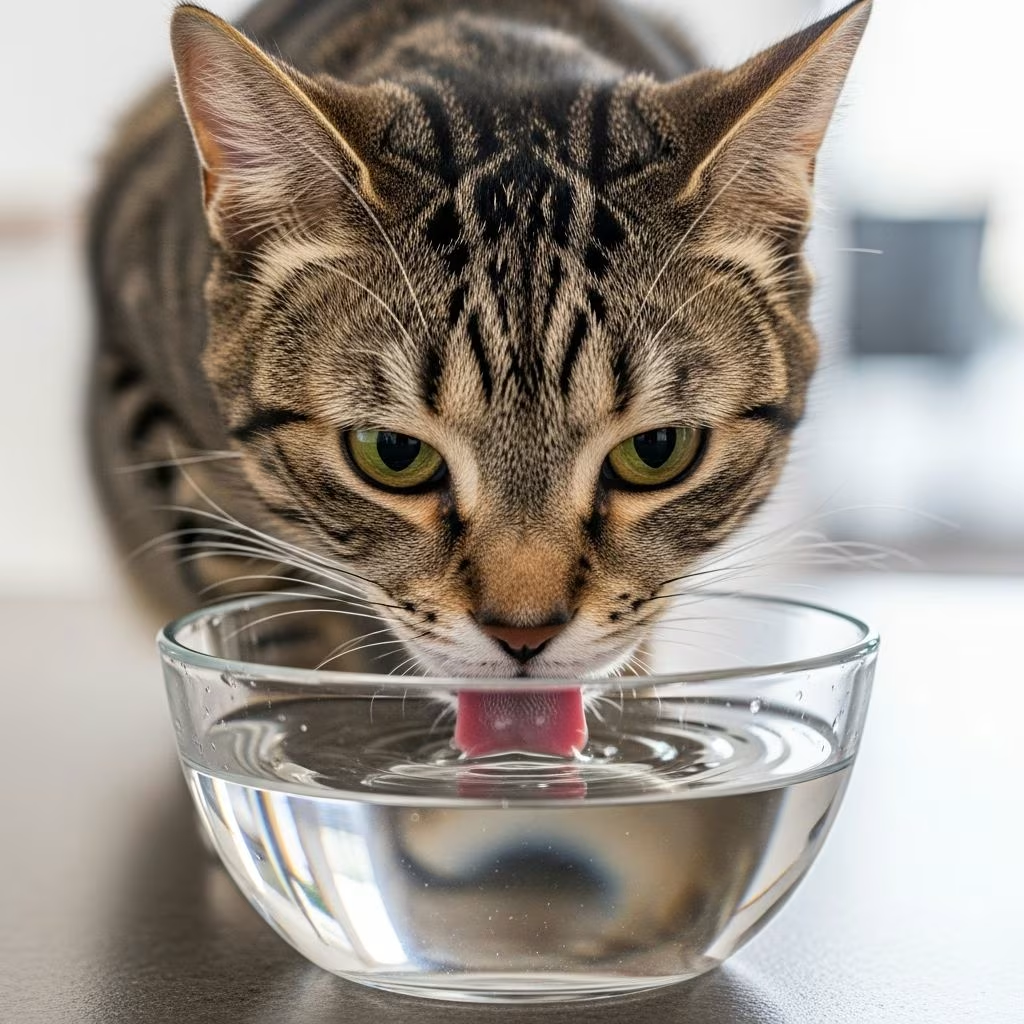
Many cat owners notice their feline companions frequenting the water bowl more often than usual, but most don’t realize this behavioral change could signal an underlying health issue. Excessive thirst in cats, medically termed polydipsia, represents one of the most common yet overlooked warning signs of serious medical conditions. Unlike dogs, cats naturally drink less water since they evolved as desert animals with efficient kidneys that concentrate urine to conserve moisture. When your cat suddenly begins drinking significantly more than usual, it warrants careful observation and potential veterinary evaluation.
What Constitutes Abnormal Water Consumption in Felines
Understanding the normal water intake baseline helps cat owners identify when their pets are truly drinking excessively. A healthy cat typically drinks between 24 to 30 milliliters of water per kilogram of body weight daily, though this varies based on factors including activity level, ambient temperature, and dietary composition. Scientists and veterinary professionals define polydipsia as water consumption exceeding 100 milliliters per kilogram of body weight per day, roughly equivalent to 1.5 ounces per pound of body weight.
The most noticeable initial indicator for many pet owners is that the water bowl requires refilling more frequently than before. Unlike sudden behavior changes that occur overnight, polydipsia often develops gradually, making it easy to overlook during the early stages. Cats experiencing this condition frequently display polyuria—excessive urination—alongside their increased thirst, as their bodies attempt to eliminate excess water and regulate internal fluid balance.
Kidney Disease: The Most Prevalent Cause
Kidney disease represents the most common and concerning cause of excessive water intake in cats, particularly in older animals. This progressive condition affects a substantial portion of the feline population, with approximately 40% of cats over age 10 and 80% of those over age 15 developing chronic kidney disease. When kidneys become compromised, they lose their ability to filter blood effectively and produce properly concentrated urine, forcing affected cats to drink additional water to compensate for fluids lost through excessive urination.
The disease progresses silently in many cases, making early detection crucial for implementing therapies that slow its advancement. While kidney disease remains incurable, management strategies can substantially improve quality of life and extend survival when caught early.
Warning Signs Associated with Renal Disease
Beyond increased thirst and urination, cats with kidney problems often exhibit:
- Decreased appetite or complete loss of interest in food
- Unexplained weight loss and muscle wasting
- Lethargy and reduced activity levels
- Vomiting episodes
- Pale gums indicating anemia in severe cases
- Poor coat condition and unkempt appearance
When older cats simultaneously demonstrate increased drinking and urination alongside weight loss and diminished appetite, kidney disease screening becomes essential. Veterinarians typically recommend biannual to yearly blood work depending on your cat’s age to detect early kidney damage before symptoms become pronounced.
Diabetes Mellitus in Felines
Feline diabetes mellitus presents another significant cause of polydipsia, occurring when the pancreas fails to produce adequate insulin for blood sugar regulation. This metabolic disorder causes glucose to accumulate in the bloodstream and eventually overflow into the urine, carrying large volumes of water with it and necessitating increased fluid intake to maintain hydration.
Diabetes in cats typically manifests through a combination of symptoms that may initially seem unrelated. Owners frequently observe their cats drinking excessively and urinating more frequently, yet simultaneously experiencing hunger increases and paradoxical weight loss. Weakness, particularly in the hind legs, may also develop as the disease progresses.
The encouraging news is that feline diabetes responds well to early intervention. Treatment plans generally include insulin administration, dietary modifications, and regular veterinary monitoring. Some cats even achieve diabetic remission through dietary management alone when caught during initial stages.
Hyperthyroidism and Excessive Thirst
Hyperthyroidism, an endocrine disorder affecting many older cats, accelerates metabolic processes throughout the body and frequently leads to increased water consumption. This serious condition can impact cardiac function, making accurate diagnosis and treatment essential. One curious behavioral change that sometimes accompanies hyperthyroidism is that affected older cats may suddenly act kitten-like again, displaying unexpected playfulness and hyperactivity.
Additional symptoms accompanying increased thirst in hyperthyroid cats include:
- Increased appetite despite weight loss
- Significantly rapid weight decline
- Coat deterioration and thickened nails
- Vomiting and diarrhea
- Hyperactivity and excessive vocalization
- Restlessness and agitation
Diagnosis depends on blood work confirming elevated thyroid hormone levels. Multiple treatment options exist, including permanent solutions that provide long-term disease management.
Hepatic Disease and Liver Dysfunction
Liver disease also triggers polydipsia through various mechanisms depending on the underlying cause. Feline livers become diseased through infections, inflammatory conditions, toxin exposure, or other pathological processes that impair hepatic function. When liver disease develops, it disrupts the body’s ability to regulate fluid balance effectively, prompting increased drinking to compensate.
Cats with liver disease typically exhibit warning signs beyond excessive thirst, including jaundice (yellowing of skin and whites of eyes), abnormal bleeding or bruising, persistent vomiting, lethargy, and progressive weight loss. These symptoms warrant immediate veterinary evaluation to determine liver health status and initiate appropriate treatment.
Urinary Tract Infections and Bladder Issues
While urinary tract infections occur more commonly in female cats, any cat can develop this painful condition. Infected urinary tracts trigger inflammation that causes frequent urination urges, prompting compensatory drinking to maintain hydration. Affected cats often strain while urinating, may produce bloody urine, and display signs of discomfort.
Early antibiotic treatment successfully resolves most feline urinary tract infections when diagnosed promptly. Veterinary examination and urinalysis confirm the presence of bacterial infection before treatment commences.
Endocrine Disorders Beyond Hyperthyroidism
Several hormonal and endocrine disorders impact the kidneys’ ability to reabsorb water, leading to compensatory polydipsia. Primary diabetes insipidus (central) and renal diabetes insipidus (nephrogenic) represent rare but serious conditions where kidneys either fail to respond to or don’t receive adequate antidiuretic hormone signals, preventing normal water reabsorption. Cats with these conditions experience profound polyuria and corresponding excessive thirst.
Hypercalcemia and Blood Calcium Elevation
High blood calcium levels represent another endocrine cause of increased thirst in cats. This condition can result from various underlying disorders and disrupts normal kidney function, leading to polydipsia. Identifying the underlying cause of hypercalcemia becomes essential for appropriate treatment.
Environmental and Behavioral Factors
Not all causes of increased water consumption relate to disease states. Environmental conditions and dietary changes can legitimately increase thirst through non-pathological mechanisms:
- Heat exposure and warm ambient temperatures increase water loss through panting and perspiration, necessitating additional fluid intake
- Dietary transitions from canned to dry food naturally increase thirst as dry kibble contains minimal moisture
- High-sodium diets trigger compensatory drinking
- Gastrointestinal fluid loss from vomiting or diarrhea requires fluid replacement by healthy kidneys
These environmental causes typically resolve once the triggering factor disappears, distinguishing them from pathological polydipsia that persists regardless of external circumstances.
Recognizing Additional Warning Signs
While increased thirst represents the most obvious indicator of health problems, astute cat owners should monitor for accompanying symptoms that suggest serious underlying conditions.
| Primary Symptom | Associated Warning Signs | Potential Conditions |
|---|---|---|
| Excessive Thirst | Weight loss, poor appetite, lethargy | Kidney disease, diabetes |
| Excessive Thirst | Increased appetite, hyperactivity, vocalization | Hyperthyroidism |
| Excessive Thirst | Vomiting, jaundice, bleeding | Liver disease |
| Excessive Thirst | Frequent urination, straining, bloody urine | Urinary tract infection |
| Excessive Thirst | Weakness, weight loss despite increased appetite | Diabetes mellitus |
Additional behavioral changes warrant veterinary attention, including altered sleep patterns (excessive sleeping or sleeping in unusual locations), unexplained behavioral shifts such as increased aggression or withdrawn temperament, appetite changes in either direction, and bathroom habit modifications.
The Diagnostic Process Your Veterinarian Will Follow
When you present your cat for evaluation of excessive water intake, your veterinarian will conduct a systematic diagnostic approach. Initial assessment includes detailed physical examination and thorough history taking regarding symptom onset, progression, and any concurrent changes in appetite, urination patterns, or behavior.
Diagnostic tests typically include:
- Complete blood work (chemistry panel and complete blood count)
- Urinalysis to evaluate kidney function and urine concentration
- Blood pressure measurement to assess hypertension
- Imaging studies including radiographs or ultrasounds when indicated
- Thyroid hormone testing if hyperthyroidism is suspected
These diagnostic tools allow veterinarians to identify underlying conditions causing polydipsia and establish appropriate treatment plans.
Important Considerations About Water Restriction
A critical point that cannot be overemphasized: Never restrict your cat’s access to water in response to excessive drinking. Polydipsia represents a compensatory behavior through which the body attempts to manage underlying illness. Limiting water access worsens existing conditions and can prove fatal in severe cases. Water restriction must never be implemented without direct veterinary guidance and supervision.
Frequently Asked Questions About Feline Polydipsia
How much water should a healthy cat drink daily?
Healthy cats typically consume 24 to 30 milliliters per kilogram of body weight daily. This varies based on activity level, temperature, and diet composition. Drinking exceeding 100 ml/kg daily indicates polydipsia requiring veterinary evaluation.
Is occasional increased thirst normal in cats?
Mild day-to-day variations in water consumption are normal and depend on activity levels, weather, and other environmental factors. However, sustained increases over several consecutive days warrant veterinary assessment, particularly when accompanied by other symptoms.
Could my cat’s excessive thirst indicate heat stroke?
Heat-related excessive drinking occurs alongside other heat stress indicators including panting or abnormal breathing, restlessness, red or pale gums, weakness or collapse, vomiting, tremors or seizures, and behavioral changes. If excessive thirst appears without these additional symptoms, heat stroke is unlikely, though veterinary consultation remains advisable.
At what age should I be concerned about kidney disease?
Kidney disease becomes increasingly common as cats age. Biannual to yearly blood work screening becomes particularly important for cats over age 10, when chronic kidney disease affects approximately 40% of the population.
When is immediate veterinary care necessary?
Seek emergency veterinary care if your cat displays fever, refuses to eat, exhibits behavioral changes, or shows other acute symptoms alongside increased thirst. These warrant immediate professional evaluation to exclude serious conditions.
Moving Forward: Next Steps for Concerned Cat Owners
If you’ve noticed your cat drinking more water than usual, scheduling a veterinary appointment represents the appropriate next step. Bring documentation of water consumption patterns if possible, as precise measurements assist your veterinarian in confirming polydipsia and narrowing the diagnostic focus. Early detection of conditions like kidney disease and diabetes enables implementation of therapies that substantially improve outcomes and quality of life for your feline companion.
Remember that cats naturally conceal illness, making subtle signs like increased thirst potentially the first indication of significant health problems. Prompt veterinary attention when polydipsia develops can mean the difference between manageable disease and serious complications.
References
- My Cat is Drinking A Lot of Water, Should I be Concerned? — Veterinary Emergency Group (VEG). Accessed January 2026. https://www.veg.com/post/cat-is-drinking-a-lot-of-water
- Why Is My Cat Drinking a Lot of Water? — MetLife Pet Insurance. Accessed January 2026. https://www.metlifepetinsurance.com/blog/pet-health/cat-drinking-a-lot-of-water/
- Increased or Excessive Thirst (Polydipsia) in Cats — Vetster. Accessed January 2026. https://vetster.com/en/symptoms/cat/increased-or-excessive-thirst-polydipsia
- Why Is My Cat Drinking So Much Water – Common Reasons — Revel Vet. Accessed January 2026. https://revelvet.com/blog/why-is-my-cat-drinking-so-much-water/
- Why Is My Cat Drinking a Lot of Water? — PetMD. Accessed January 2026. https://www.petmd.com/cat/symptoms/why-my-cat-drinking-lot-water
- Increased thirst and drinking — International Cat Care. Accessed January 2026. https://icatcare.org/articles/increased-thirst-and-drinking
- Why is My Cat Drinking so Much? — Pet Health Network. Accessed January 2026. https://www.pethealthnetwork.com/cat-health/cat-diseases-conditions-a-z/why-my-cat-drinking-so-much



