

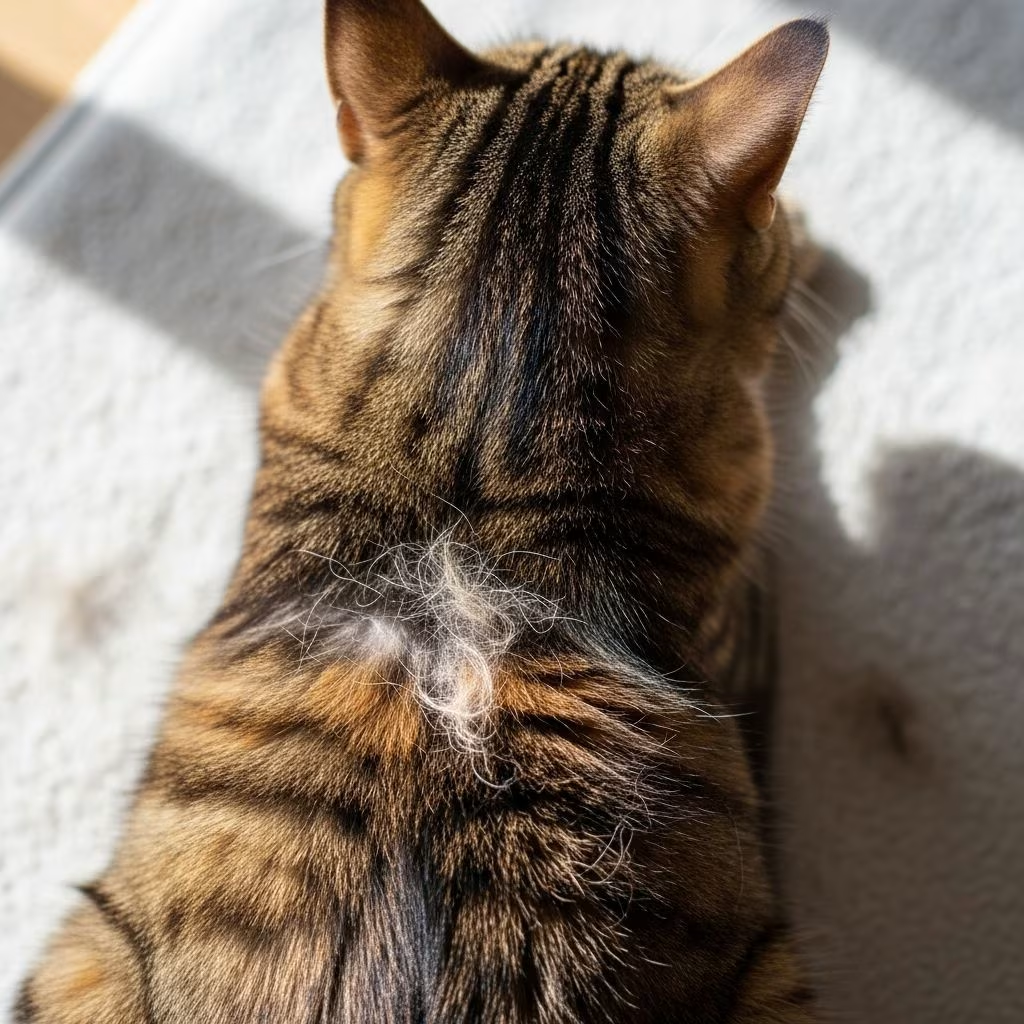
If you’ve noticed increased amounts of cat hair accumulating on your furniture, clothing, and floors, you’re likely wondering what’s causing your feline companion to shed more than usual. While some degree of shedding is completely normal for cats, excessive hair loss can be concerning for pet owners and uncomfortable for cats themselves. Understanding the underlying reasons for increased shedding is the first critical step toward managing this common issue effectively.
The Natural Shedding Cycle in Cats
Before addressing excessive shedding, it’s important to recognize that cats naturally shed throughout their lives as part of their normal biological processes. This shedding allows cats to remove old, damaged, or excess fur while making room for new hair growth. Think of it as your cat’s body’s way of maintaining a healthy coat. However, the intensity and frequency of this natural process can vary significantly depending on multiple factors, including environmental conditions, individual genetics, and overall health status.
Most cat owners observe that their pets shed noticeably during spring and fall months when seasonal temperature shifts occur. During these transitions, cats shed their winter coats to prepare for warmer weather or develop thicker coats in anticipation of colder months. This seasonal shedding pattern is completely normal and typically resolves naturally as your cat’s coat adjusts to the new season.
Genetic Predisposition and Breed Characteristics
One fundamental reality that cat owners must accept is that some cats are genetically predisposed to shed significantly more than others. Breed plays a substantial role in determining how much hair your cat will naturally lose. Long-haired cat breeds, such as Persians, Maine Coons, and Ragdolls, inherently shed more profusely than their short-haired counterparts simply because they have more fur to shed. If you own a long-haired breed, increased shedding may simply be an inevitable characteristic you’ll need to manage rather than a sign of a problem.
Additionally, cats with specific coat types and textures shed at different rates. Understanding your particular cat’s breed tendencies can help you establish realistic expectations about grooming maintenance and household fur management. If you adopted a cat without knowing its exact breed background, consulting with your veterinarian can help clarify whether your cat’s shedding level is typical for its genetic makeup.
Nutritional Factors Affecting Coat Health
The quality of your cat’s diet directly impacts the condition of their coat and the extent of shedding. A cat’s hair is fundamentally composed of proteins, specifically a protein called keratin. When cats don’t consume adequate protein or receive poor-quality protein sources, their coat suffers noticeably, leading to increased shedding and a less lustrous appearance.
Beyond protein, essential fatty acids play a vital role in maintaining healthy skin and a robust coat. Omega-3 and omega-6 fatty acids, when present in proper proportions, actively promote skin health and reduce unnecessary hair loss. Foods containing cold-water fish oils, such as salmon oil, provide these essential fatty acids more effectively than plant-based alternatives. A deficiency in these crucial nutrients can indirectly cause hair loss by disrupting the skin’s ability to support healthy hair growth.
Various vitamins and minerals also contribute significantly to coat health. Vitamin A, vitamin E, vitamin B12, and zinc all play essential roles in regulating cell growth in the hair and skin. When these micronutrients are lacking, your cat’s coat becomes compromised, leading to increased shedding and potential skin problems.
Selecting the Right Diet for Your Cat
To combat shedding through nutrition, focus on choosing high-quality cat food that meets AAFCO (Association of American Feed Control Officials) nutritional standards for your cat’s life stage. Look for foods where animal-based protein sources appear as the first or second ingredient listed. Additionally, examine the food label for explicit mentions of omega-3 and omega-6 fatty acids or fish oil ingredients.
Some cats benefit from specialized diets formulated specifically to support skin and coat health. If you suspect your cat’s excessive shedding stems from nutritional deficiencies, consult your veterinarian about dietary adjustments or potential supplements. Your vet can recommend omega fatty acid supplements or other nutritional additions designed for cats, though it’s crucial to seek professional guidance before introducing any new supplements.
Medical Conditions Contributing to Hair Loss
When shedding becomes excessive beyond seasonal norms or breed characteristics, underlying medical conditions may be responsible. Several health issues can trigger or exacerbate hair loss in cats, requiring prompt veterinary attention. Parasitic infestations, including intestinal parasites and external parasites like fleas, mites, and lice, frequently cause increased shedding. Flea allergy dermatitis, in particular, can trigger intense itching and overgrooming, leading to substantial hair loss.
Skin infections and fungal conditions such as ringworm also manifest as increased shedding and poor coat quality. Endocrine disorders, particularly hyperthyroidism and Cushing’s disease, commonly cause hair loss as secondary symptoms. Kidney disease, diabetes mellitus, inflammatory bowel disease, and pancreatitis can all contribute to nutritional absorption problems that indirectly result in excessive shedding.
Dermatological conditions including autoimmune skin disorders and hereditary alopecia represent additional medical causes of abnormal hair loss. Additionally, some cats experience overgrooming due to anxiety or stress-related disorders, which can result in significant hair loss despite normal shedding rates.
The Importance of Veterinary Evaluation
Because numerous medical conditions can cause excessive shedding, consulting your veterinarian should be your first action when you notice abnormal fur loss. Your vet can rule out parasitic infestations, skin infections, hormonal imbalances, and other health problems that require specific treatment. Staying current with routine veterinary care, including regular deworming and flea and tick prevention, helps prevent many conditions that trigger increased shedding.
Environmental Stress and Behavioral Responses
Stress represents another significant trigger for excessive shedding in cats. Stressful events can range from temporary disruptions like veterinary visits to more substantial changes such as moving to a new home or introducing new pets to the household. When cats experience stress, they often exhibit behavioral changes alongside increased shedding, including overgrooming, changes in appetite, and withdrawn behavior.
Stress can trigger cats to either over-groom or under-groom, both of which contribute to visible increases in shedding. Your stressed cat may exhibit altered sleep patterns, reduced activity levels, or reluctance to interact with household members. Identifying and addressing stress triggers forms an important part of managing shedding related to anxiety.
Creating a Stress-Reducing Environment
To help minimize stress-related shedding, provide your cat with a dedicated private space where they can retreat and feel secure. This might include a quiet room, a comfortable bed, or a cat tower in a low-traffic area of your home. Increase positive interactions with your cat through gentle play sessions and affectionate handling. Some cats benefit from calming probiotic supplements designed to support emotional well-being, though always consult your veterinarian before introducing such products.
Effective Grooming Strategies to Reduce Shedding
Regular grooming represents the most direct and effective method for managing excess cat hair around your home. By removing loose and dead fur through brushing, you prevent your cat from ingesting this hair during self-grooming, which reduces both shedding visibility and hairball formation. Grooming also helps you identify skin problems, parasites, or abnormalities that warrant veterinary attention.
The frequency and type of grooming depend on your cat’s coat length and density. Long-haired cats may require daily brushing to prevent matting and manage shedding effectively, while short-haired cats typically benefit from weekly grooming sessions. Some cats tolerate and even enjoy professional grooming services or occasional baths, which can remove substantial amounts of loose fur, though most cats prefer to avoid bathing.
Practical Home Management Strategies
Beyond addressing the root causes of shedding, implementing practical strategies helps manage the fur that naturally accumulates in your home:
- Establish designated resting areas: If your cat has a favorite sleeping spot or cat tower, they will naturally accumulate shedding fur there. Designating these spaces makes cleanup more concentrated and manageable.
- Utilize air filtration systems: HEPA air filters capture free-floating fur particles that would otherwise distribute throughout your home.
- Implement regular cleaning routines: Vacuuming frequently and washing your cat’s bedding and household linens regularly minimizes hair accumulation.
- Use lint removal tools: Keep hair rollers or specialized lint removal tools readily available for your furniture and clothing.
- Provide fresh water: Ensuring your cat stays well-hydrated supports healthy skin and coat function. Consider using a cat fountain, as some cats prefer running water and drink more frequently from fountains.
Nutritional Supplements and Additional Support
In addition to selecting high-quality cat food, certain supplements can support coat health and reduce shedding. Omega fatty acid supplements specifically formulated for cats have demonstrated effectiveness in promoting healthy skin and reducing excessive hair loss. These supplements may be incorporated into your cat’s regular food or provided separately as directed by your veterinarian.
Before introducing any new medications or supplements, consult your veterinarian to ensure they’re appropriate for your individual cat and won’t interact with any existing health conditions or medications. Your vet can recommend products tailored to your cat’s specific needs and monitor their effectiveness over time.
Distinguishing Normal from Abnormal Shedding
Understanding what constitutes normal shedding versus problematic hair loss helps you determine when veterinary intervention is necessary. Normal shedding involves steady, consistent fur loss throughout the year with increased intensity during seasonal transitions. Abnormal shedding might include sudden, dramatic increases in fur loss, bald patches, skin irritation, or accompanying symptoms like behavioral changes or appetite loss.
The key to addressing excessive shedding effectively is identifying when it’s abnormal and uncovering the reason behind it. Pinpointing the underlying cause represents the first step in determining whether your cat needs medical treatment, environmental modifications, nutritional changes, or improved grooming routines.
Allergy Considerations in Cats
Food allergies and environmental allergies represent frequently overlooked causes of excessive shedding in cats. Unlike dogs, food allergies in cats often manifest as skin problems rather than gastrointestinal symptoms. If your cat displays excessive shedding alongside itching, red skin, or ear problems, food or environmental allergies may be responsible. Your veterinarian can help identify potential allergens through elimination diets or allergy testing.
Preventing Secondary Health Issues from Shedding
Beyond the inconvenience of accumulated fur around your home, excessive shedding can create secondary health problems for your cat. When cats ingest substantial amounts of loose fur during grooming, hairballs may form in their digestive tract. While some cats pass hairballs naturally through vomiting, others may experience blockages requiring surgical intervention. Reducing the amount of loose fur your cat ingests through regular grooming and proper hydration helps prevent serious hairball-related complications.
Additionally, for humans in the household, managing cat shedding provides health benefits. People typically develop allergies to cat dander or saliva rather than the hair itself. However, reducing the spread of hair also diminishes the distribution of dander and allergens throughout the home, benefiting allergy-prone household members.
Creating a Comprehensive Shedding Management Plan
Rather than addressing shedding through a single approach, the most effective strategy involves creating a comprehensive management plan incorporating multiple elements. Start with a veterinary consultation to rule out medical conditions. Simultaneously, evaluate your cat’s current diet and consider upgrading to higher-quality food with appropriate protein and fatty acid content. Implement regular grooming routines suited to your cat’s coat type, and establish stress-reducing environmental modifications if needed.
Monitor your cat’s response to these changes over several weeks, as improvements in coat health and shedding reduction don’t occur overnight. With consistent effort addressing the underlying causes while managing the fur that does shed, you can significantly improve your cat’s coat condition and reduce the challenges excessive shedding presents to your household.
References
- 8 Ways to Reduce Cat Shedding — Bond Vet. 2024. https://bondvet.com/blog/ways-to-reduce-cat-shedding
- Role of Nutritional Deficiency in Excessive Shedding in Cats — Vetster. 2024. https://vetster.com/en/wellness/role-of-nutritional-deficiency-in-excessive-shedding-in-cats
- How to Stop a Cat from Shedding with Diet Changes — PetMD, Dr. Jennifer Coates. May 2014. https://www.petmd.com/blogs/nutritionnuggets/cat/dr-coates/2014/may/if-cat-shedding-lot-try-different-food-31616
- Dealing with Excessive Cat Shedding — Petmate. 2024. https://www.petmate.com/blogs/petmate-academy/surviving-excess-cat-shedding
- Excessive Shedding in Cats — Hill’s Pet Nutrition. https://www.hillspet.co.id/cat-care/healthcare/excessive-cat-shedding
- Essential Cat Grooming Tips for Less Shedding — Insight Vet Wellness. https://insightvetwellness.com/cat-and-dog-grooming-in-el-dorado-hills-ca/combating-hairballs-essential-cat-grooming-tips-for-less-shedding/
- Why is Your Cat Shedding So Much? — Purina US. https://www.purina.com/articles/cat/health/routine-care/why-is-cat-shedding-so-much
- Why is My Cat Shedding So Much? — Animal Friends Dermatology. July 2024. https://www.animalfriendsdermatology.com/site/blog/2024/07/15/why-cat-shedding-much



