

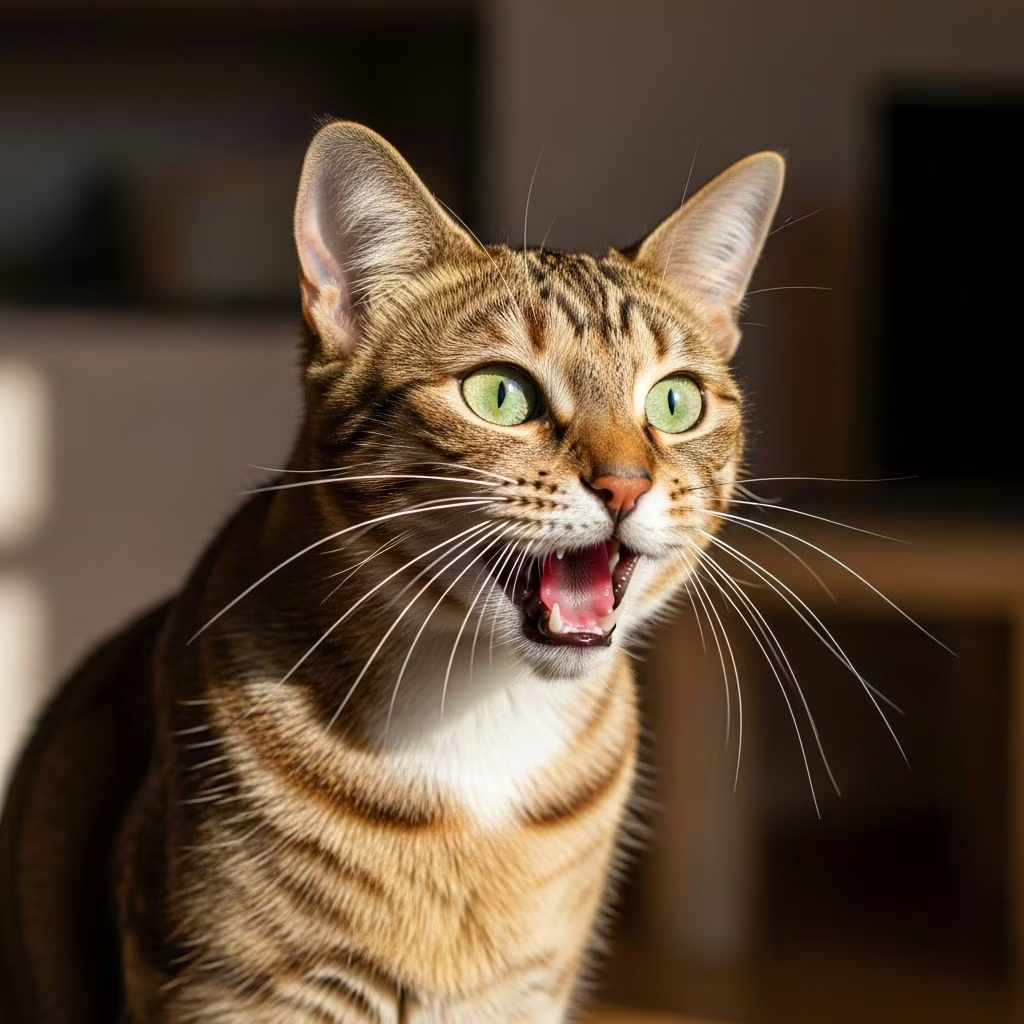
Cats are communicative animals, but when meowing becomes excessive, it can signal underlying issues that deserve your attention. Whether your feline companion produces constant noise throughout the day or engages in mysterious midnight serenades, understanding the root causes is the first step toward addressing the problem. This comprehensive guide explores the various reasons behind persistent meowing and provides practical solutions to restore peace to your household.
Recognizing What “Excessive” Actually Means
Before diving into solutions, it’s important to recognize that meowing frequency varies among individual cats. Some breeds, such as Siamese and Oriental cats, are naturally more vocal than others. What constitutes excessive meowing for one cat might be perfectly normal for another. However, when you notice a dramatic increase in vocalization compared to your cat’s typical behavior, or when meowing becomes disruptive and persistent, it’s time to investigate the underlying cause.
Sudden changes in meowing patterns often signal that something has shifted in your cat’s physical health or emotional environment. Cats don’t vocalize excessively without reason—they’re trying to communicate a need, express discomfort, or respond to stress.
Medical Conditions Behind Constant Vocalization
Pain and discomfort represent among the most significant medical drivers of excessive meowing. When cats experience pain while moving, being touched, or using the litter box, they vocalize to express distress. Arthritis commonly affects older cats and can cause them to cry out more frequently, particularly during movement or when climbing stairs. Similarly, dental disease—including fractured teeth, gum infections, and resorptive lesions—creates significant oral pain that makes eating and grooming difficult, prompting increased meowing.
Urinary blockages constitute life-threatening emergencies that demand immediate veterinary attention. Cats experiencing urinary obstruction cry in the litter box or vocalize urgently when attempting to urinate, displaying obvious signs of distress. Gastrointestinal discomfort from constipation, inflammatory bowel disease, or pancreatitis can also trigger excessive meowing as your cat attempts to signal internal distress.
Thyroid dysfunction significantly impacts vocalization in cats. Hyperthyroidism, one of the most common endocrine diseases in older cats, causes the thyroid gland to produce excessive hormones, speeding up metabolism and generating restlessness, increased appetite, weight loss, and frequent vocalization. Cats with this condition often meow more intensely at night and seem unable to settle comfortably. Diagnosis requires bloodwork to measure thyroid hormone levels, and treatment options—including medication, radioactive iodine therapy, or dietary management—can significantly reduce vocalization and restore quality of life.
High blood pressure presents another medical concern. Cats with hypertension may meow more incessantly than healthy cats, and this condition often accompanies other systemic issues.
Age-Related Cognitive and Sensory Changes
As cats advance in age, they frequently experience cognitive decline similar to dementia in humans. Senior cats may become disoriented, particularly during nighttime hours when darkness compounds their confusion. This disorientation often triggers increased vocalization, especially nighttime meowing when your cat feels unsure of their surroundings.
Sensory decline accompanying aging also contributes to excessive meowing. Hearing loss means your cat may cry out more loudly simply because they cannot judge their own volume. Vision loss creates uncertainty about navigating familiar spaces, prompting anxious vocalizations. These cats benefit from environmental modifications such as nightlights in sleeping areas, accessible litter boxes, ramps for mobility challenges, and consistent routines that provide reassurance.
Behavioral and Environmental Factors
Attention-seeking behavior represents one of the most common reasons cats meow excessively. Cats that are bored, lonely, or craving affection may meow persistently to capture your attention, as even negative attention (such as telling them to be quiet) reinforces the behavior. Indoor cats require substantial mental and physical stimulation to remain content. Without appropriate enrichment outlets, they may meow excessively to express frustration or demand attention from their humans.
Hunger-motivated meowing often involves learned behavior. Cats quickly discover that meowing in the kitchen during meal preparation triggers food provision. Some cats become remarkably vocal whenever they sense feeding time approaches, even if hours remain before their scheduled meal. The most effective solution involves never rewarding meowing with food and instead feeding your cat only when they’re quiet, teaching them that silence precedes mealtime.
Stress and anxiety trigger increased vocalization in sensitive cats. Moving to new homes, introducing new pets or family members, alterations to daily routines, thunderstorms, and fireworks all generate anxiety that manifests as excessive meowing. Multi-cat households may experience territorial disputes leading to increased vocalization. Creating a calm environment with hiding spaces, maintaining consistent routines, and avoiding excessive attention during anxious periods helps cats feel secure.
Reproductive instincts drive significant vocalization in unspayed female cats. When in heat, female cats meow loudly and persistently due to hormonal surges and reproductive instinct. Because heat is entirely hormonal and instinct-driven, you cannot resolve this behavior through behavioral modification alone. Spaying permanently eliminates heat-related vocalization.
The Role of Environmental Enrichment
Indoor cats need structured opportunities for mental stimulation and physical exercise. Without enrichment, even naturally quiet cats may resort to excessive meowing as an outlet for frustration. Strategic environmental modifications reduce attention-seeking vocalization significantly:
- Install window perches where cats can observe outdoor activity, bird feeders, and passing wildlife
- Provide vertical spaces such as cat trees and wall-mounted shelves that encourage climbing and exploration
- Rotate different toys regularly to maintain novelty and engagement
- Introduce puzzle toys and foraging toys that challenge your cat mentally while dispensing treats
- Create hiding spaces and cozy hideaways where anxious cats feel secure
These enrichment strategies address boredom-driven vocalization by giving cats appropriate channels for their natural hunting, climbing, and exploration instincts.
Distinguishing Between Normal and Problematic Meowing
| Meowing Type | Typical Characteristics | Likely Causes |
|---|---|---|
| Greeting meows | Short, occasional vocalizations when you arrive home | Normal communication and affection |
| Demand meows | Persistent, directed meowing during feeding times | Learned behavior for food attention |
| Heat-related meows | Loud, prolonged yowling, especially at night | Reproductive hormones in unspayed females |
| Pain-related meows | Sudden increase, crying when moving or using litter box | Medical conditions, arthritis, dental disease |
| Age-related meows | Nighttime vocalization, apparent disorientation | Cognitive decline in senior cats |
The Veterinary Evaluation Process
Determining why your cat meows excessively begins with a thorough veterinary examination. Your veterinarian will conduct a complete physical assessment checking for pain, dental disease, and organ dysfunction. Bloodwork evaluates thyroid function, kidney health, and metabolic status to identify or rule out endocrine and systemic diseases. When clinically indicated, diagnostic imaging including digital X-rays and ultrasound provides immediate answers about internal conditions.
This comprehensive medical evaluation is essential before pursuing behavioral interventions, as addressing underlying medical causes often eliminates excessive meowing entirely without requiring behavioral modification.
Behavioral Modification Strategies
After veterinary evaluation rules out medical causes, behavior modification can address excessive meowing effectively. The foundation of successful behavior modification involves understanding that you must never reinforce unwanted meowing. Responding immediately to demands, providing attention when your cat meows, or giving in to food requests strengthens the behavior you’re trying to eliminate.
Instead, implement these evidence-based strategies:
- Reward quiet behavior: Provide attention, treats, and affection only during calm moments when your cat is silent
- Establish consistent routines: Maintain predictable schedules for meals, play sessions, and interactive attention
- Ignore attention-seeking meows: Remain calm and avoid responding to demands, as this breaks the reinforcement cycle
- Increase interactive play: Dedicate time to structured play sessions that satisfy hunting instincts and expend energy
- Use environmental modifications: Create a stimulating indoor environment with toys, perches, and exploration opportunities
Behavior modification requires consistency and patience, but these approaches effectively reduce vocalization when applied persistently.
Managing Nighttime Meowing
Cats are naturally more active during nighttime hours, and this instinctive nocturnal behavior can create challenges for human sleep schedules. Senior cats experiencing cognitive decline often experience increased disorientation at night, triggering vocalization. Environmental adjustments help manage this issue:
- Install nightlights in areas where your cat sleeps to reduce disorientation
- Maintain consistent bedtime routines that signal calm time
- Keep your cat active during daytime hours through play and enrichment
- Consider pheromone diffusers that promote relaxation and reduce anxiety
Frequently Asked Questions About Cat Meowing
When should I seek veterinary care for excessive meowing?
Contact your veterinarian immediately if your cat exhibits sudden increases in vocalization, especially if accompanied by other behavioral changes. Senior cats (age seven and older) require prompt evaluation, as cognitive decline and medical conditions become increasingly common. Cats crying in the litter box or showing signs of pain need emergency attention.
Can supplements help reduce meowing?
Calming supplements containing ingredients like L-theanine or pheromone diffusers may help reduce anxiety-driven vocalization in some cats. Discuss these options with your veterinarian before introducing any new supplements to ensure they’re appropriate for your individual cat and won’t interact with existing medications.
How long does behavior modification take?
Behavioral change requires patience and consistency. Most cats show gradual improvement over several weeks when strategies are applied consistently, though some may require several months to establish new patterns.
Should I ever punish my cat for excessive meowing?
Punishment is ineffective and can increase anxiety, actually worsening vocalization. Positive reinforcement of quiet behavior and consistent environmental management produce better results than punishment-based approaches.
Moving Forward With Your Vocal Cat
Excessive meowing represents your cat’s attempt to communicate a need, whether medical, behavioral, or environmental. By systematically evaluating potential causes—beginning with veterinary assessment to rule out medical conditions, then addressing behavioral and environmental factors—you can identify the root issue and implement targeted solutions. Most cats respond well to comprehensive approaches combining medical treatment (when necessary), environmental enrichment, behavioral modification, and consistent routines. Your patience and systematic problem-solving will ultimately restore harmony to your household while strengthening your bond with your feline companion.
References
- Why Is My Cat Meowing So Much? Exploring Excessive Vocalization in Cats — Advanced Veterinary Medical Center. Accessed January 29, 2026. https://advancedvmc.net/why-is-my-cat-meowing-so-much-exploring-excessive-vocalization-in-cats/
- Why Does My Cat Meow So Much? 7 Causes and Solutions — Riverwood Pet Food. Accessed January 29, 2026. https://www.riverwoodpetfood.com/en/blogs/why-does-my-cat-meow-so-much-7-causes-and-solutions
- Why Is My Cat Meowing So Much? Exploring Excessive Vocalization in Cats — Bayview Pets. Accessed January 29, 2026. https://bayviewpets.com/why-is-my-cat-meowing-so-much-exploring-excessive-vocalization-in-cats/
- What Does Excessive Meowing Mean in Cats — WebMD. Accessed January 29, 2026. https://www.webmd.com/pets/cats/cats-excessive-meowing
- Why Is My Cat Meowing So Much? — PetMD. Accessed January 29, 2026. https://www.petmd.com/cat/behavior/cat-meowing



