

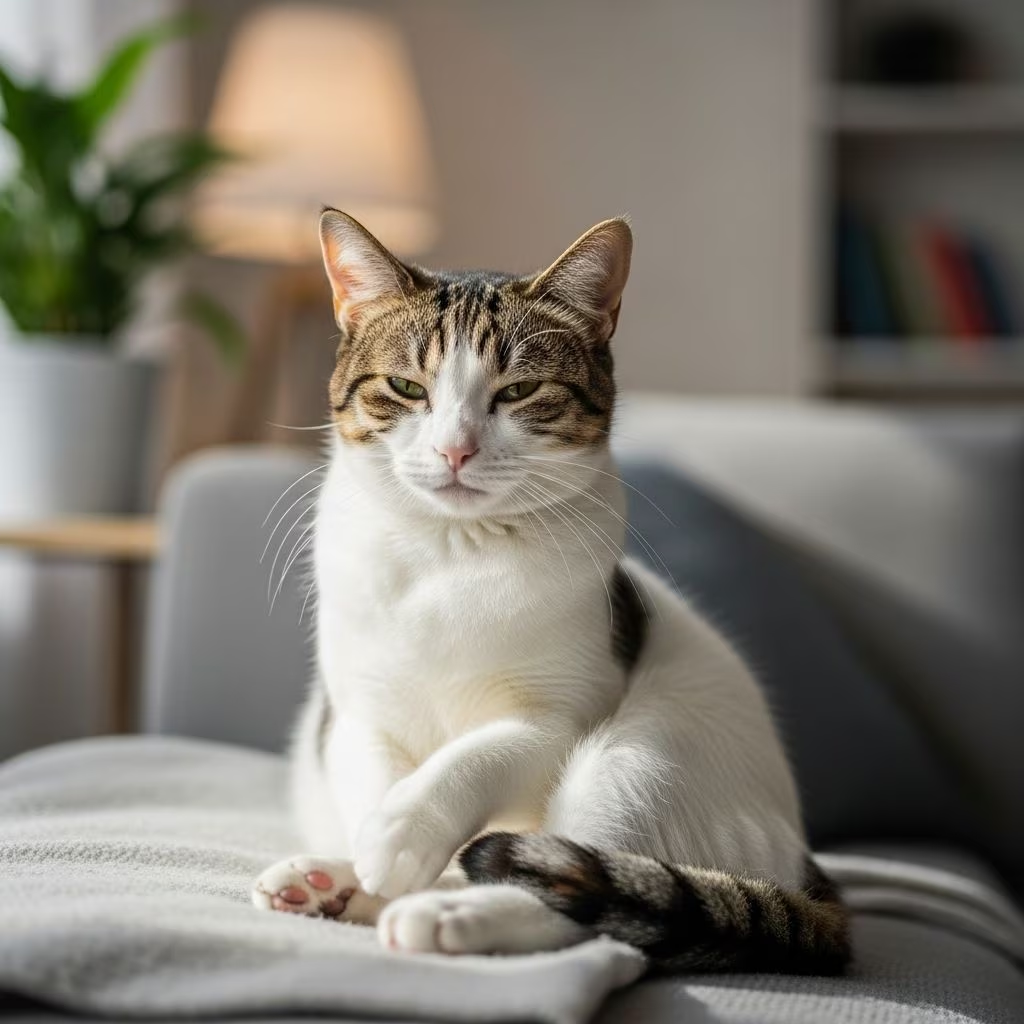
For cat owners, understanding the reproductive cycle of an unspayed female cat is essential knowledge that helps explain sudden behavioral shifts and supports informed decisions about pet health. When a female cat reaches maturity, she enters a natural reproductive phase known as the estrous cycle or heat cycle. This biological process triggers noticeable changes in temperament, vocalizations, and physical appearance that can sometimes puzzle even experienced pet parents. By learning to recognize these signals and understanding what’s happening physiologically, you can better support your cat through this cyclical period and make educated choices about her long-term care.
What the Estrous Cycle Actually Means
The feline estrous cycle, often abbreviated as “estrus,” represents the fertile phase in an unspayed female cat’s reproductive journey. Unlike the heat cycles seen in some other mammals, the cat’s estrous cycle doesn’t involve visible bleeding or dramatic physical changes that are obvious to the naked eye. Instead, the most significant indicators are behavioral and relate to the cat’s natural drive to attract a mate. This cycle is entirely separate from body temperature changes—being “in heat” has nothing to do with fever or overheating, despite what the terminology might suggest.
Understanding this cycle is particularly important because many cat owners misinterpret their pet’s behavior during this time. Some worry their cat is experiencing pain or illness when she’s actually displaying completely normal reproductive instincts. The estrous cycle is a natural, healthy biological process that occurs repeatedly until the cat either becomes pregnant or is spayed.
When Cats First Enter Heat
Female cats don’t experience their first heat cycle as newborn kittens. Instead, the onset of estrus coincides with puberty, which typically occurs between four and twelve months of age. In many cases, first heat happens around six to ten months old, though some precocious kittens may experience estrus as early as four months. The timing often corresponds with the season—cats that are born in the fall may have their first heat when spring arrives and daylight hours increase.
This early onset is one reason responsible breeding practices and spaying recommendations emphasize preventing heat cycles before cats are even one year old. Once a cat experiences her first estrous cycle, she becomes capable of reproduction, and the cycles will continue throughout her reproductive years unless interrupted by pregnancy or spaying.
Behavioral Changes During Estrus
The most obvious signals of a cat in heat involve dramatic shifts in behavior. These changes emerge because the cat’s body is releasing hormones that trigger mating behaviors designed to attract males and facilitate reproduction. Understanding these specific behavioral indicators helps owners confirm that their cat is in heat rather than sick or distressed.
Increased Vocalization and Calling
One of the first and most unmistakable signs that a cat is in heat is a significant increase in vocalization. Cats become far louder than their baseline behavior, producing loud meows, yowls, or wailing sounds. Some owners describe these vocalizations as desperate-sounding or even painful, but the cat is not in pain—she’s calling to attract male cats through sound. These calls can be persistent and may continue throughout the day and night, potentially disrupting household routines and sleep patterns. If your quiet, reserved cat suddenly becomes vocally demanding, estrus is a likely explanation.
Affectionate and Demanding Behavior
Many cats become noticeably more affectionate during their estrous cycle, though this increased friendliness has a biological purpose rather than reflecting genuine emotional bonding. Your cat may rub against your legs, furniture, doorways, and other household objects more frequently than usual. This rubbing behavior serves to spread pheromones—chemical signals specific to her reproductive state—throughout her environment. If your normally aloof cat suddenly becomes a velcro pet, this dramatic personality shift can indicate she’s in heat. She may also seek out your touch and attention more persistently, though this attention-seeking is driven by hormonal changes rather than newfound affection for you.
Restlessness and Hyperactivity
During estrus, many cats display obvious signs of restlessness and agitation. She may pace more than usual, seem unable to settle down for sleep, and display generally elevated energy levels. This restlessness reflects her biological motivation to seek out a mate, and it can make your cat seem anxious or uncomfortable. The constant movement and pacing can be exhausting for both the cat and her owner.
Distinctive Mating Postures
One of the most recognizable physical signs during heat involves the cat’s posture and body positioning. The characteristic mating posture includes the cat lowering her front quarters while raising her rear end, often moving her tail to one side to expose the genital area. Some cats also arch their backs dramatically and perform a “treading” motion with their hind legs, as if kneading an invisible surface. Additionally, cats may crouch flat on the ground with their rear elevated—a posture specifically designed to present the vulva and signal receptivity to males. These postural changes often accompany vocalization and may occur multiple times throughout the day.
Rolling and Physical Exuberance
Rolling behavior intensifies during estrus, with cats frequently rolling on the floor, furniture, and bedding. This rolling serves multiple purposes: it spreads scent markers throughout the home and may provide physical relief from the discomfort of engorgement in the reproductive organs. The combination of rolling, arching, and vocalizing can make it appear as though your cat is in significant distress, but these behaviors are standard estrous cycle manifestations.
Reduced Appetite
Some cats eat significantly less during their estrous cycle than they do during other times. This decreased appetite likely reflects that the cat’s biological focus is directed toward reproduction rather than feeding. While some appetite suppression is normal and temporary, monitor your cat to ensure she maintains adequate nutrition throughout her cycle.
Physical and Environmental Indicators
Beyond behavioral changes, a few physical signs may also indicate that your cat is in heat. Unlike dogs, cats rarely display obvious bleeding or bloody discharge during estrus. However, the genital area may appear slightly swollen, and your cat may engage in excessive grooming of this area due to the swelling and associated discomfort. Some cats also engage in urine spraying or territory marking with increased frequency during estrus, using their urine to advertise their reproductive status to potential mates. Additionally, cats in heat often display an intense drive to escape the home—even indoor cats who have never shown interest in outdoor exploration may actively attempt to find ways outside to locate males.
Duration of the Heat Cycle
The length of an individual estrous cycle varies considerably among cats. While the average heat cycle lasts approximately five to seven days, the actual duration can range significantly. Some cats experience heat cycles as short as two to three days, while others remain in heat for up to two weeks or even nineteen days. Several factors influence cycle length, including breed genetics, age, overall health status, and environmental factors like light exposure.
The duration also depends on whether the cat mates during estrus. If she successfully mates and becomes pregnant, the cycle ends as her body prepares for pregnancy. However, if she doesn’t mate, she enters a brief period called interestrus, lasting eight to ten days, during which she’s temporarily out of heat before the next cycle begins.
Frequency and Seasonal Patterns
Cats are seasonal breeders, meaning their reproductive cycles follow natural light patterns rather than occurring year-round. For most unspayed cats, heat cycles typically begin around February and continue through October, with reduced or absent cycling during the winter months when daylight is limited. During the active breeding season, an unspayed cat who doesn’t become pregnant will experience heat cycles every two to three weeks. This means that during an eight-month breeding season, a single cat could cycle multiple times, potentially creating constant behavioral challenges for her owner.
Indoor cats exposed to artificial lighting that mimics extended daylight may experience heat cycles more frequently or even year-round, since they don’t experience the natural winter darkness that typically suppresses cycling. This is an important consideration for cats living exclusively indoors.
The Stages Within the Heat Cycle
Veterinarians recognize distinct phases within the overall estrous cycle, each with slightly different characteristics and durations.
Proestrus Phase
Proestrus is the brief opening phase lasting one to two days. During this stage, the cat’s body begins releasing hormones that prepare her for mating. Female cats become attractive to males during proestrus, but she’s not yet receptive to mating. Signs may be subtle—slightly increased affection, restlessness, or minor behavioral changes—but the full-intensity heat behaviors haven’t yet emerged. Many owners don’t notice proestrus because the changes are relatively mild compared to the estrus phase that follows.
Estrus Phase
Estrus is the active heat phase when the cat is genuinely receptive to mating and displays the most obvious behavioral changes. This stage typically lasts four to ten days, with seven days being average. During estrus, all the classic heat signs reach their peak intensity: vocalization, affection-seeking, mating postures, rolling, and escape attempts. This is the phase when male cats become intensely interested in mating, and unspayed females are capable of becoming pregnant. If mating doesn’t occur, the cat remains in estrus for the full cycle duration before progressing to the next phase.
Interestrus Phase
Following estrus, if no pregnancy has occurred, the cat enters interestrus—a brief reprieve lasting eight to ten days. During this phase, behavioral signs diminish significantly, and the cat appears more normal. However, this break is temporary, and unless the cat is spayed or becomes pregnant, she will cycle back into estrus after interestrus concludes. This pattern of heat-rest-heat repeats throughout the breeding season.
Common Owner Misconceptions
Several myths and misunderstandings circulate about feline heat cycles. First, many owners mistake the intense vocalizations and postural changes as signs of pain or illness. While the cat may indeed feel somewhat uncomfortable due to hormonal swelling and physiological changes, she’s not in pain in the clinical sense. The behaviors reflect mating instincts, not suffering. Second, some owners believe that allowing their cat to have one heat cycle or one litter is beneficial before spaying. Veterinary medicine refutes this claim, as early spaying provides significant health benefits. Third, some assume that cats go into heat only during summer months. While breeding season peaks in spring and summer, modern indoor environments with artificial lighting can trigger heat cycles year-round.
Management Strategies During Heat
While your cat is cycling, several management approaches can help minimize household disruption. Increase playtime and physical activity to provide outlets for her excess energy and restlessness. Provide enrichment through interactive toys, puzzle feeders, and environmental stimulation. Keep her indoors and secure doors and windows to prevent escape attempts. Some owners find that playing calming music or using pheromone diffusers designed to mimic natural feline calming chemicals can reduce stress-related behaviors. However, these are temporary measures that address symptoms rather than the underlying cause.
Spaying as a Permanent Solution
The most effective way to eliminate heat cycles entirely is spaying (surgical removal of the ovaries and uterus). Spaying prevents all estrous cycles permanently and also eliminates risks of ovarian and uterine cancers and infections. Veterinarians typically recommend spaying before the first heat cycle or shortly after, though it can be performed at any age. Spaying eliminates the behavioral disruptions, eliminates the possibility of unwanted pregnancy, and contributes significantly to your cat’s long-term health and longevity.
When to Contact Your Veterinarian
While heat cycles are normal, contact your veterinarian if behavioral signs persist longer than three weeks, if physical signs like discharge appear abnormal, or if you’re concerned about any aspect of your cat’s cycling. Your veterinarian can confirm that your cat is cycling normally, discuss spaying options, and address any health concerns. They can also provide professional guidance tailored to your specific cat’s needs and circumstances.
References
- Cat Heat Cycle — Companions Spay and Neuter. Accessed 2026. https://www.companionsspayandneuter.com/cat-heat-cycle
- How Long Does a Cat Stay in Heat? A Guide for Cat Owners — Northwoods Veterinary Clinic. Accessed 2026. https://northwoodsvet.com/how-long-does-a-cat-stay-in-heat/
- Is My Cat In Heat? Signs To Look For — Clyde Veterinary Hospital. Accessed 2026. https://clydevet.com.au/preventative-vet-care/cats-in-heat/
- Cats in heat/coming into season — PDSA (People’s Dispensary for Sick Animals). Accessed 2026. https://www.pdsa.org.uk/pet-help-and-advice/pet-health-hub/conditions/seasons-in-cats
- Seven Signs your Cat is in Heat | What to Look for — Elanco. Accessed 2026. https://mypetandi.elanco.com/au/health/how-tell-if-your-cat-heat
- How to Tell if a Cat is in Heat — Pewaukee Veterinary Service. Accessed 2026. https://pewaukeeveterinaryservice.com/blog/how-to-tell-if-a-cat-is-in-heat/
- Estrous Cycles in Cats — VCA Animal Hospitals. Accessed 2026. https://vcahospitals.com/know-your-pet/estrus-cycles-in-cats



