

Cat emergencies can strike unexpectedly, whether from injuries, poisoning, or sudden illnesses. Knowing how to respond calmly and provide basic first aid can stabilize your cat and buy precious time until you reach a veterinarian. This guide covers recognizing emergencies, immediate actions for common issues, building a first aid kit, and safe transport tips, drawing from expert veterinary advice.
Recognizing a Cat Emergency
Spotting an emergency early is crucial. Cats instinctively hide pain, so subtle signs can indicate serious problems. Common red flags include difficulty breathing, uncontrolled bleeding, seizures, or inability to urinate. If your cat shows any of these, contact your vet immediately—do not wait.
- Breathing difficulties: Labored breathing, wheezing, gasping, or blue gums signal respiratory distress, possibly from asthma, heart disease, or obstructions.
- Uncontrolled bleeding: Wounds spurting blood require pressure to stem flow.
- Seizures or collapse: Unconsciousness, tremors, or paralysis demand urgent care.
- Urinary blockage: Frequent litter box visits without urine output, especially in males, is life-threatening.
- Suspected poisoning: Vomiting, drooling, lethargy after ingesting toxins like lilies or antifreeze.
Approach injured cats slowly and calmly to avoid bites or scratches. Confine them to a quiet, safe room to reduce stress.
Common Cat Emergencies and First Aid Steps
Here’s how to handle frequent feline crises before vet arrival. Never administer human medications, as they can be toxic.
Bleeding and Wounds
For active bleeding, apply firm pressure with a clean pad or gauze for 5-10 minutes. Bandage tightly but not so much it cuts circulation. Elevate the limb if possible. Rinse minor wounds with saline, but rush severe ones to the vet.
Choking or Breathing Problems
If you see an object in the mouth, gently remove it. For strings or threads, pull carefully. Never insert fingers blindly, as this worsens blockages. Monitor for panting (uncommon in cats unless distressed) or open-mouth breathing—seek immediate help.
Burns and Scalds
Cool fresh burns with running cold water for at least 5 minutes. Do not use creams, ice, or ointments. Keep your cat warm and calm afterward.
Poisoning
Note the suspected toxin and bring samples to the vet. Do not induce vomiting unless instructed. Symptoms like vomiting, diarrhea, or seizures require emergency care. Common culprits: plants (lilies), chocolate, human meds.
Heatstroke
Rare but serious, especially if trapped in hot cars. Wet the coat with tepid (not cold) water, fan gently, and move to a cool area. Symptoms: heavy panting, weakness, rapid heartbeat.
Falls or Road Traffic Accidents (RTA)
Even if your cat seems fine, internal injuries like fractures or organ damage are common. Handle minimally, wrap in a blanket, and transport immediately. Check for shock signs: pale gums, rapid breathing.
Urinary Blockage
Males are prone. Signs: straining in litter box, crying, blood in urine. Bladder fills dangerously—call vet ASAP to prevent kidney failure.
Seizures or Paralysis
Clear the area, dim lights, reduce noise. Time the seizure (over 5 minutes is critical). Do not restrain. A vocalizing cat unable to move legs may have a clot—emergency.
How to Safely Handle and Transport an Injured Cat
Injured cats may lash out from pain or fear. Approach slowly from the front, speak softly. Use thick gloves or a towel if needed. To pick up: one hand under chest/chin, other supporting hindquarters.
For transport:
- Wrap in a blanket or towel as a makeshift stretcher.
- Place in a secure carrier lined with soft bedding.
- Drive smoothly; have a helper monitor your cat.
- Call ahead to your vet or nearest emergency clinic.
Avoid darkening rooms excessively if it causes disorientation—balance calm with safety.
Building a Cat First Aid Kit
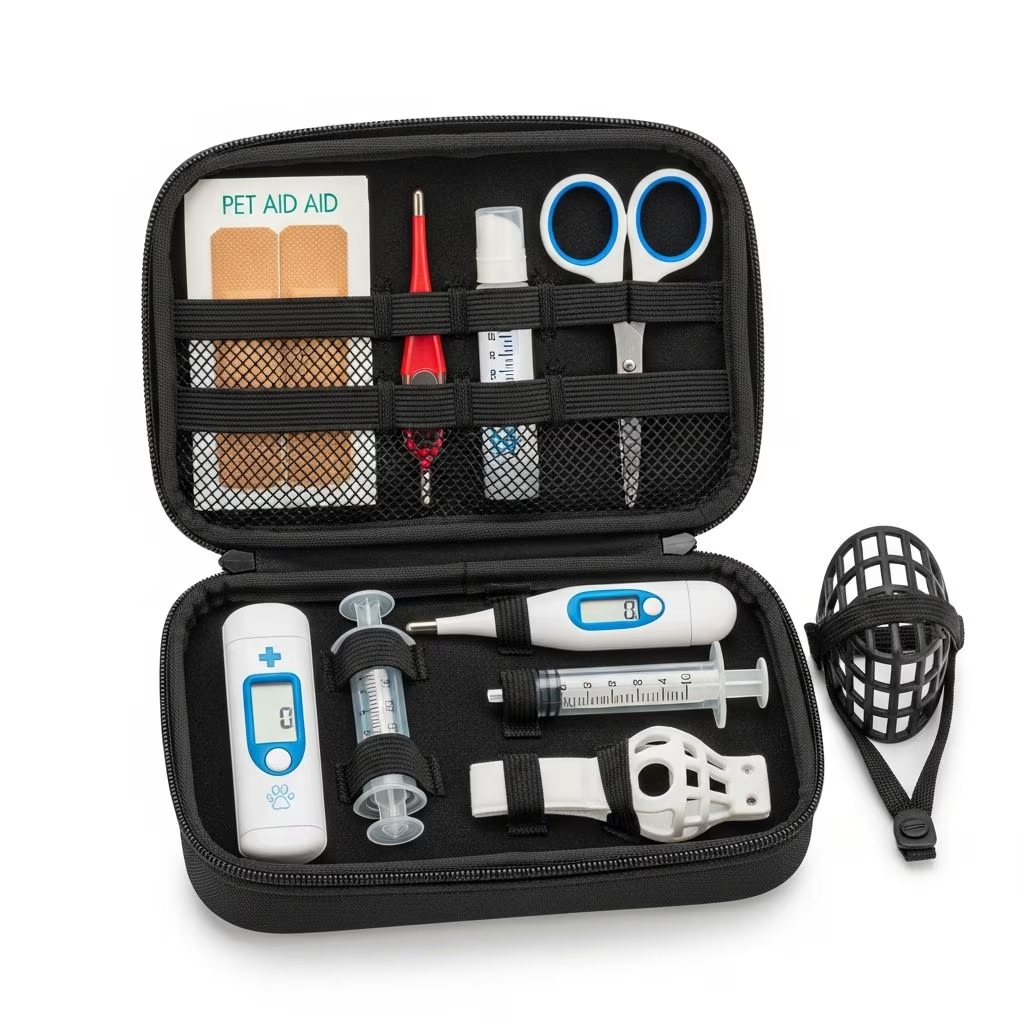
Prepare a portable kit for quick access. Store in a waterproof box with vet contacts listed.
| Item | Purpose |
|---|---|
| Sterile gauze pads and bandages | Wound pressure and dressing |
| Adhesive tape | Securing bandages |
| Saline solution | Eye/skin rinse |
| Digital thermometer | Check temp (normal: 100.5–102.5°F) |
| Scissors and tweezers | Cut tape, remove splinters |
| Muzzle or towel | Prevent bites during pain |
| Hydrogen peroxide (vet-approved only) | Cleaning wounds |
| Syringe for flushing | Wound irrigation |
| Cotton balls/swabs | Application aid |
Include emergency numbers: your vet, 24/7 clinic, poison hotline. Consider pet first aid courses from organizations like the Red Cross.
Preventing Cat Emergencies
Proactive steps reduce risks:
- Supervise outdoor time to avoid RTAs.
- Secure toxins, plants, and small objects indoors.
- Microchip and ID collars for lost cats.
- Regular vet check-ups detect issues early.
- Keep litter boxes clean to spot urinary problems.
When in Doubt, Call the Vet
Not every issue is emergent, but hesitation can cost lives. Vets guide over phone: describe symptoms clearly. Better safe than sorry—err on caution.
Frequently Asked Questions (FAQs)
Q: How do I know if my cat’s panting is an emergency?
A: Cats rarely pant normally. Unless post-exercise, it signals distress like heatstroke or pain—call vet immediately.
Q: Can I give my cat human painkillers?
A: No—many are toxic. Always consult a vet first.
Q: What if my cat won’t let me touch the injury?
A: Confine safely, cover loosely if bleeding, and transport anyway. Muzzle if needed for safety.
Q: How long can I wait for urinary issues?
A: Not long—blockages cause rapid kidney damage. Seek help within hours.
Q: Is a first aid kit enough?
A: It’s a bridge to professional care. Contact vets promptly.
This guide empowers you to act confidently in crises, but professional veterinary care is irreplaceable. Stay vigilant for your cat’s well-being.
References
- Cat first aid | Advice on cat health – Cats Protection — Cats Protection. Accessed 2026. https://www.cats.org.uk/help-and-advice/health/cat-first-aid
- Recognizing Pet Emergencies: A Guide for Oakdale Dog and Cat Owners — Family Veterinary Care of Oakdale. Accessed 2026. https://oakdalevet.com/recognizing-pet-emergencies-a-guide-for-oakdale-dog-and-cat-owners/
- Cat First Aid: How to Help Your Pet in an Emergency | Purina UK — Purina UK. 2020-11-26. https://www.purina.co.uk/articles/cats/kitten/health/cat-first-aid



