

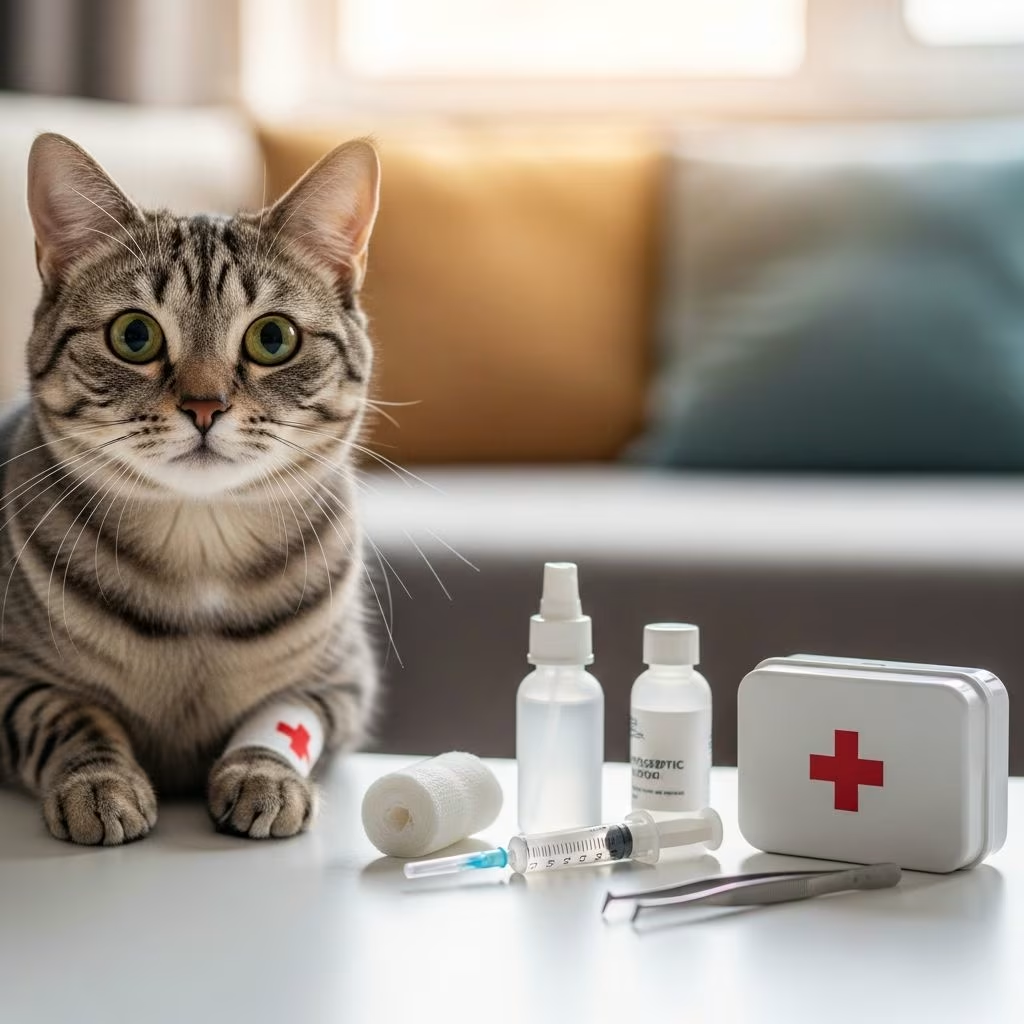
Cat emergencies can strike unexpectedly, whether from accidents, injuries, or sudden illnesses. Knowing basic first aid can stabilise your cat, prevent further harm, and potentially save their life until you reach a veterinarian. This guide provides step-by-step instructions for common cat emergencies, drawing from veterinary best practices. Always prioritise safety for both you and your cat, contact your vet immediately, and seek professional care as soon as possible.
General First Aid Principles for Cats
In any cat emergency, stay calm to avoid panicking your pet, which could worsen the situation. Assess the scene for dangers like traffic or hazards before approaching. Keep your cat warm (unless heatstroke is suspected), quiet, and immobilise them if trauma is possible. Use a carrier or box for transport, covering with a blanket for security. Never administer human medications, as they can be toxic to cats.
- Assess ABCs: Airway, Breathing, Circulation (heartbeat).
- Contact vet: Call ahead for advice and preparation.
- Transport safely: Avoid moving unnecessarily, especially with suspected fractures.
- Wear gloves: Protect against bites, scratches, or fluids.
Having a cat first aid kit ready is crucial. Stock it with gauze pads, adhesive tape, hydrogen peroxide, tweezers, scissors, thermometer, gloves, and emergency contacts.
Recognising Shock in Cats
Shock is a life-threatening condition where the body fails to deliver oxygen to tissues, often from trauma, blood loss, or pain. Signs include pale gums, rapid/shallow breathing, weak pulse, lethargy, and cold extremities.
Immediate Actions for Shock:
- Keep cat quiet and warm with blankets or towels.
- Follow ABCs: Clear airway, check breathing, monitor heart.
- Elevate hindquarters slightly if no spinal injury suspected.
- Rush to vet—shock progresses rapidly.
Do not give food or water. Monitor gums: normal pink colour should return with care; white/grey indicates severe shock.
Rescue Breathing and CPR for Cats
If your cat is unconscious and not breathing, act fast. Time is critical—brain damage occurs within minutes without oxygen.
Rescue Breathing Steps
- Check responsiveness: Tap and call your cat.
- Open airway: Pull tongue forward, extend head/neck straight (avoid if neck trauma).
- Clear mouth: Remove vomit or debris carefully.
- Seal muzzle: Cover mouth/nostrils, blow 3-5 gentle breaths (chest rises). Repeat 10-20 breaths/min.
- Try acupressure: Press nasal philtrum firmly 10-30 seconds to stimulate breathing.
CPR Steps
Combine with breathing: 100-120 chest compressions/min (30:2 ratio with breaths).
- Lay cat on right side.
- Find femoral pulse (inner thigh).
- Compress chest 1/3-1/2 depth (1-2 inches) using fingers/thumb on opposite sides.
- Continue until breathing resumes or vet arrives.
Practice these on a stuffed toy to build confidence. Success rates improve with training.
Bleeding and Wound Care
Cats often suffer cuts from fights or accidents. Minor bleeding stops naturally, but heavy flow risks shock.
Steps to Control Bleeding:
- Apply firm pressure with clean gauze/cloth for 10+ minutes. Do not peek or use ties.
- Elevate limb if no fracture.
- Bandage snugly but not tight—check circulation.
- Clean minor wounds with saline; avoid hydrogen peroxide on deep cuts.
Arterial bleeding (bright red, spurting) needs immediate vet care. Watch for infection signs: swelling, pus, fever.
Choking in Cats
Choking occurs from foreign objects like string, bones, or toys lodged in throat. Signs: pawing mouth, drooling, blue gums, collapse.
Choking First Aid:
- Wrap cat in towel to restrain.
- Open mouth gently (two people ideal); do not tilt head back.
- Remove visible objects with fingers/tweezers if loose.
- If lodged, perform Heimlich: Firm abdominal thrusts upward/backward.
- Clear airway and start rescue breathing if needed.
Never force objects if attached—risk airway damage. Head to vet immediately.
Burns and Scalds
Burns from hot liquids, fires, or chemicals cause severe pain. Degrees: superficial (red), partial (blisters), full (charred).
Burn First Aid:
- Cool with lukewarm running water 10-20 mins (never ice).
- Do not pop blisters or apply ointments.
- Wrap loosely in clingfilm for transport.
- Prevent shock; pain meds only from vet.
Cats resist water treatment—muzzle if safe. Chemical burns: Flush 20+ mins, identify agent for vet.
Fractures and Trauma
Suspect fractures from limping, swelling, pain, deformity. Do not realign—stabilise.
- Immobilise with splint (rigid object + padding, tape).
- Muzzle if biting from pain.
- Carry carefully in carrier.
Spinal injuries: Handle as board, no dragging.
Heatstroke and Hypothermia
Heatstroke: Temp >104°F/40°C from hot cars/enclosures. Wet with cool water, fans; vet for cooling.
Hypothermia: Shivering, lethargy. Warm gradually with blankets, warm fluids if alert.
Poisoning and Seizures
Common toxins: lilies, antifreeze, chocolate. Induce vomit only if vet instructs (hydrogen peroxide 3ml/20lbs? No—toxic). Note substance, call poison hotline.
Seizures: Clear area, time duration (>5min emergency). Dim lights, no restraints. Post-seizure: Quiet, vet eval.
Building Your Cat First Aid Kit
| Item | Purpose |
|---|---|
| Gauze pads, tape | Wounds, bandaging |
| Tweezers, scissors | Object removal |
| Gloves, muzzle | Safety |
| Thermometer, saline | Temp check, flushing |
| Emergency contacts | Quick reference |
Store in waterproof container; check expiry dates.
Frequently Asked Questions (FAQs)
Q: How often should I check my cat’s gums in an emergency?
A: Check immediately and monitor colour (pink normal, pale/shock). Reassess every few minutes.
Q: Can I give my cat human painkillers?
A: No—many like paracetamol are fatal to cats. Only vet-prescribed meds.
Q: What’s the CPR compression rate for cats?
A: 100-120/min, 30:2 with breaths.
Q: How do I know if my cat is in shock?
A: Pale gums, rapid breathing, weakness. Act fast.
Q: Should I ever induce vomiting at home?
A: Only under vet guidance—risks aspiration.
This guide equips you for most cat emergencies, but it’s no substitute for professional veterinary care. Enroll in pet first aid classes for hands-on training. Regular vet check-ups prevent many crises.
References
- First Aid for Cats — VCA Animal Hospitals. 2023. https://vcahospitals.com/know-your-pet/first-aid-for-cats
- Cat First Aid: How to Help Your Pet in an Emergency — Purina. 2024. https://www.purina.com/articles/cat/health/routine-care/cat-first-aid
- Cat First Aid — Cats Protection. 2024. https://www.cats.org.uk/help-and-advice/health/cat-first-aid
- Emergency Guide: How to Give Pets First Aid — Shoreland Animal Hospital. 2024-04-23. https://www.shorelandanimalhospital.com/site/blog/2024/04/23/give-pets-first-aid
- Pet First Aid Awareness — Sunnyvale Cat Clinic. 2023. https://sunnyvalecatclinic.com/news/pet-first-aid-cat
- Emergencies and First Aid for Cats — Mount Pleasant Veterinary Group. 2024. https://www.mountpleasant.com.sg/education/a-guide-to-emergencies-and-first-aid-in-cats/
- First Aid for Cats — American Red Cross. 2024. https://www.redcross.org/take-a-class/resources/learn-pet-first-aid/cat



