

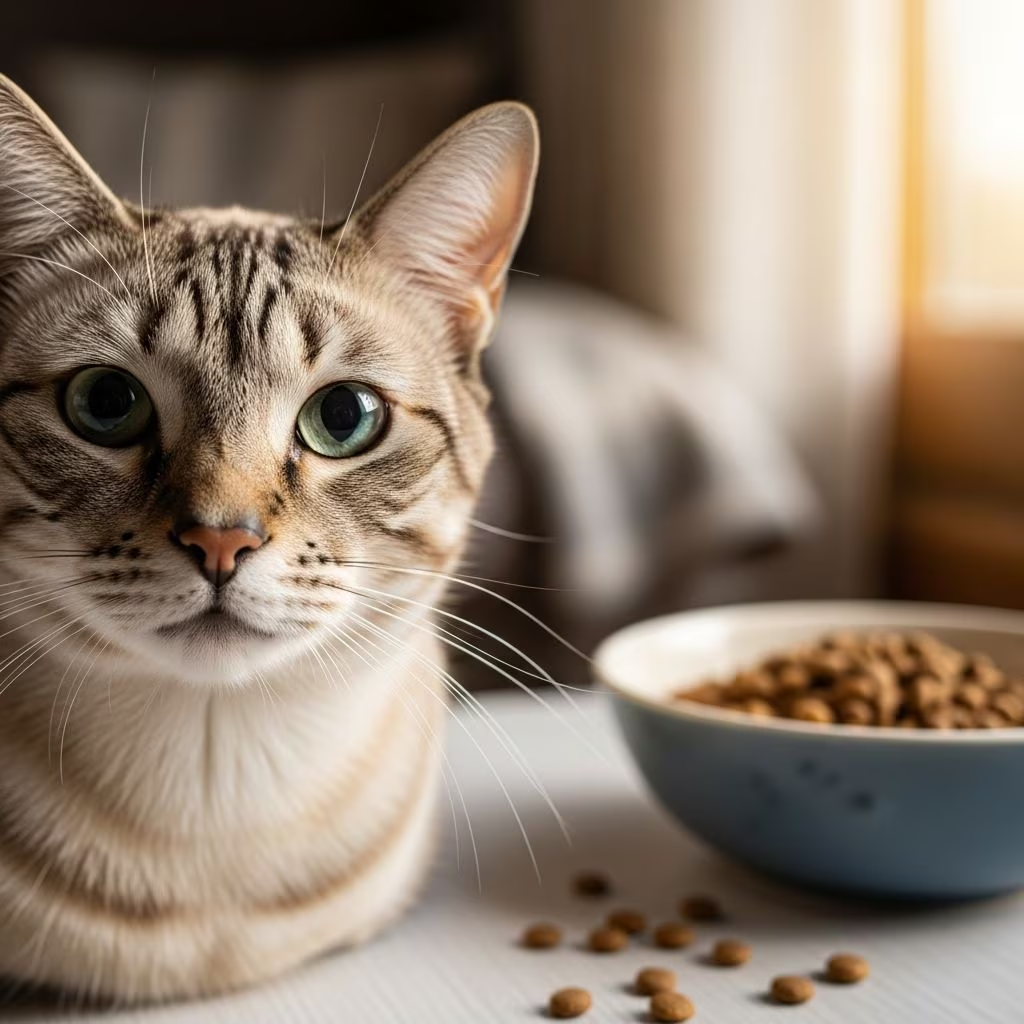
My Cat Eats a Lot But Can’t Gain Weight: Understanding the Problem
Observing your cat eat heartily is generally considered a sign of good health. However, when a cat’s appetite becomes excessive while weight remains stagnant or continues to decline, this situation warrants closer attention. This paradoxical behavior—where your feline consumes plenty of food yet fails to gain weight—often indicates an underlying health concern rather than normal feeding behavior. Understanding the causes behind this issue is essential for ensuring your cat receives appropriate veterinary care and treatment.
Common Health Conditions Causing Weight Loss Despite Increased Appetite
Hyperthyroidism in Cats
Hyperthyroidism stands as one of the most frequently diagnosed endocrine disorders in older cats and represents a primary culprit when felines eat well but fail to gain weight. This condition develops when a benign tumor on the thyroid gland produces excessive thyroid hormone, elevating the cat’s metabolic rate significantly. With an accelerated metabolism, your cat’s body requires substantially more energy to function, creating an insatiable appetite that persists despite adequate food consumption.
Beyond weight loss and increased appetite, hyperthyroid cats typically display several telltale symptoms. These include increased drinking and urination, heightened activity levels, frequent vomiting, diarrhea, restlessness, and constant food-seeking behavior. Many affected cats develop an unkempt, greasy coat and experience visible muscle wasting. The condition is particularly common in cats over ten years old and requires veterinary diagnosis through blood work to confirm elevated thyroid hormone levels.
Diabetes Mellitus
Feline diabetes represents another significant metabolic disorder where cats maintain or even increase their appetite while experiencing weight loss. This condition stems from insufficient insulin production or the body’s inability to utilize insulin effectively, preventing proper glucose absorption for energy. Consequently, despite consuming adequate calories, the cat’s body cannot access the energy from food, triggering persistent hunger signals.
Cats with diabetes typically exhibit increased thirst and urination, more sluggish behavior, distinctly sweet-scented breath, and susceptibility to urinary tract infections. The condition frequently correlates with obesity, as approximately 60 percent of overweight cats will develop diabetes. Treatment typically involves insulin injections and dietary modifications emphasizing high-protein, low-carbohydrate formulations to stabilize blood sugar levels.
Pancreatic Insufficiency
Though less common than diabetes or hyperthyroidism, pancreatic insufficiency deserves consideration in cases of excessive appetite with weight loss. In this disorder, the pancreas fails to produce sufficient digestive enzymes necessary for proper food digestion. While cats consume food normally, the undigested nutrients pass through the digestive tract without being absorbed, leaving the cat nutritionally starved despite eating. This creates a vicious cycle where the cat feels perpetually hungry because her body receives minimal nutrition from ingested food.
Cats with pancreatic insufficiency often display chronic diarrhea and significant weight loss. Fortunately, this condition responds well to enzyme replacement therapy prescribed by a veterinarian, allowing affected cats to properly digest and absorb nutrients from their diet.
Inflammatory Bowel Disease and Gastrointestinal Lymphoma
Among the more common gastrointestinal disorders affecting cats, inflammatory bowel disease (IBD) and gastrointestinal lymphoma can present with surprising appetite patterns. While these conditions typically decrease appetite, some cats paradoxically maintain normal or even increased appetite despite nutrient malabsorption. The inflammation or cancerous growths prevent proper nutrient absorption, resulting in weight loss even when food consumption appears adequate. These conditions require veterinary diagnosis through examination, bloodwork, and sometimes imaging or biopsy to identify the specific problem.
Parasitic Infections and Nutritional Absorption
Intestinal Parasites and Worms
Intestinal parasites, commonly known as worms, represent frequent culprits behind the excessive appetite-weight loss paradox. These parasitic organisms include roundworms and tapeworms, which inhabit the cat’s digestive tract and consume nutrients intended for the host animal. While your cat eats regular meals, the parasites feed alongside them, depriving your cat of essential nutrition and causing her to feel perpetually hungry.
Outdoor cats face elevated parasitic infection risks through contaminated grass, hunting infected prey, and flea consumption, as fleas can transmit certain parasitic species. However, indoor cats are not immune, as parasites can be transmitted through contact with infected animals or occasionally through contaminated food sources. Both indoor and outdoor cats can acquire parasites from their mother during pregnancy or through nursing, making even young kittens susceptible.
Common parasite symptoms include visible worms in stool, diarrhea, vomiting, bloating, and in severe cases, respiratory difficulty. Regular deworming, particularly for outdoor cats, and monthly flea prevention medications that often include deworming components help prevent parasitic infections. Veterinary examination and stool samples can identify parasitic infections for appropriate treatment.
Respiratory and Infectious Diseases
Upper Respiratory Infections
Upper respiratory infections, including conditions like pneumonia, can contribute to appetite-related weight loss paradoxes in cats. These infections affect the cat’s respiratory system, potentially making eating and swallowing uncomfortable or causing the cat to feel unwell despite appetite stimulation. If your cat appears wheezy, sneezy, or has watery eyes alongside unexplained weight loss, a respiratory infection warrants veterinary evaluation.
Feline Immunodeficiency Virus (FIV)
Feline immunodeficiency virus represents a chronic viral condition closely related to human HIV. Unlike some viral infections, FIV is not necessarily terminal but rather a long-term condition where the cat’s immune system fails to function optimally. Affected cats struggle to maintain weight despite eating normally because their compromised immune systems cannot efficiently process and utilize nutrients.
Symptoms of FIV include frequent minor infections, slightly enlarged lymph nodes, gum inflammation, oral tissue inflammation, eye disease, and various secondary infections. While no cure exists, cats with FIV can live many years with proper supportive care, appropriate diet, and management of secondary infections.
Nutritional and Dietary Considerations
Food Quality and Nutritional Deficiencies
Sometimes the solution lies not in identifying disease but in evaluating dietary quality. Some commercial cat foods fail to provide adequate calories or the proper nutrient balance necessary for weight maintenance. Cats requiring additional caloric support may benefit from higher-calorie formulations or nutrient-dense supplements designed to boost weight gain effectively.
Food Allergies and Intolerances
Certain cats develop allergies or intolerances to specific food components, which can prevent adequate nutrient absorption and weight gain. Common allergens include grains, dairy products, and particular proteins. Gastrointestinal symptoms like vomiting, diarrhea, or bloating indicate potential food sensitivities. Switching to hypoallergenic or limited-ingredient diets may resolve absorption issues and allow normal weight gain even with consistent appetite.
Environmental and Behavioral Factors
Stress and Environmental Changes
Environmental stressors significantly impact a cat’s metabolic function and nutrient absorption capacity. Major life changes—such as deaths in the family, new babies, roommates moving in, or the introduction of other pets—can trigger stress responses that affect digestion and weight maintenance. Even seemingly minor environmental modifications, like relocating the food bowl near the litter box, placing it in high-traffic areas, or subjecting the cat to loud noises during feeding, can stress your cat enough to impair nutrient absorption.
Additionally, dirty food dishes, competition from other household pets during feeding, or lack of a quiet eating space contribute to feeding-related stress. Creating a calm, dedicated feeding environment with clean dishes, quiet surroundings, and minimal competition helps reduce stress-related feeding difficulties.
Arthritis and Muscle Loss in Senior Cats
Older cats frequently experience arthritis and progressive muscle loss, which can contribute to apparent weight loss despite adequate appetite. Arthritic pain during eating and reduced mobility affecting overall activity patterns create the appearance of weight loss. Veterinary pain management through medication can alleviate discomfort and improve feeding comfort, while maintaining muscle through appropriate diet and gentle exercise supports healthy weight.
Diagnostic Approach and When to Seek Veterinary Care
If your cat exhibits excessive appetite paired with weight loss or failure to gain weight, veterinary evaluation is essential. Your veterinarian will likely recommend blood work to check thyroid hormone levels, glucose levels, and overall organ function. Additional diagnostics might include fecal examinations for parasites, imaging studies, or other specialized testing based on initial findings. Providing your veterinarian with detailed information about your cat’s appetite changes, weight history, stool consistency, and any other behavioral or physical changes aids in accurate diagnosis.
Management Strategies and Treatment Options
Medical Treatment
Treatment depends entirely on the underlying diagnosis. Hyperthyroidism may be managed through medication, radioactive iodine therapy, or surgical removal of the affected thyroid tissue. Diabetes typically requires insulin injections and dietary modification. Parasitic infections respond well to deworming medications, while respiratory infections may need antibiotics. IBD and gastrointestinal lymphoma require individualized treatment plans potentially involving medication, dietary management, or chemotherapy.
Dietary Modifications
Feeding smaller, more frequent meals throughout the day can improve overall caloric intake without overwhelming the digestive system, particularly for cats with sensitive stomachs. High-calorie supplements can boost nutritional density, ensuring each meal provides maximum benefit. Switching to premium, nutrient-dense foods formulated for weight gain may facilitate achieving and maintaining healthy body weight.
Frequently Asked Questions
Q: What is the most common reason cats eat a lot but don’t gain weight?
A: Hyperthyroidism is among the most frequent causes in older cats, characterized by excessive appetite despite weight loss. Diabetes and parasitic infections are also very common culprits requiring veterinary investigation.
Q: How can I tell if my cat has hyperthyroidism?
A: Signs include excessive appetite with weight loss, increased drinking and urination, heightened activity, vomiting, diarrhea, restlessness, and an unkempt coat. Blood work by a veterinarian confirms diagnosis through elevated thyroid hormone levels.
Q: Can indoor cats get parasites?
A: Yes, indoor cats can acquire parasites despite limited outdoor exposure through contact with infected animals, contaminated food, or parasites transmitted by mothers during nursing. Regular veterinary checkups and fecal examinations are important for all cats.
Q: Is excessive appetite always a sign of illness in cats?
A: While some cats naturally eat more than others due to genetics or boredom, excessive appetite paired with weight loss or failure to gain weight typically indicates an underlying health concern requiring veterinary evaluation.
Q: What should I do if my cat eats a lot but isn’t gaining weight?
A: Schedule a veterinary appointment for comprehensive examination and diagnostics. Provide detailed information about appetite changes, weight history, and any other symptoms. Avoid self-diagnosing or changing diet without professional guidance.
Q: Can stress cause weight loss in cats despite eating?
A: Yes, stress can affect digestion and nutrient absorption, potentially contributing to weight maintenance issues. Creating a calm feeding environment with minimal stressors helps support healthy eating and weight management.
References
- Why Is My Cat Losing Weight But Still Eating? — South Central Veterinary Medical Center. 2024. https://southcentralvet.com/blog/cat-losing-weight-but-still-eating/
- Why Is My Cat Always Hungry? Causes of a Hungry Cat — PetMD Editorial. 2024. https://www.petmd.com/cat/symptoms/causes-of-hungry-cat
- Why is my cat always hungry? — People’s Dispensary for Sick Animals (PDSA). 2024. https://www.pdsa.org.uk/pet-help-and-advice/pet-health-hub/symptoms/why-is-my-cat-always-hungry
- Why Is My Cat Always Hungry? — Bay-Porte Animal Hospital. 2024. https://www.bay-porte.com/blog/cat-feeding
- Weight Loss in the Elderly Cat: Appetite is Fine, and Everything Else — PubMed Central, National Center for Biotechnology Information. 2024. https://pmc.ncbi.nlm.nih.gov/articles/PMC11135492/
- Increased Appetite in Cats – Symptoms, Causes, Diagnosis — Wag! Pet Care Information. 2024. https://wagwalking.com/cat/condition/increased-appetite
- Why Is My Kitten Not Gaining Weight Despite Eating? — Under The Weather Pet Health Blog. 2024. https://www.undertheweatherpet.com/blogs/under-the-weather/why-is-my-kitten-not-gaining-weight-despite-eating



