

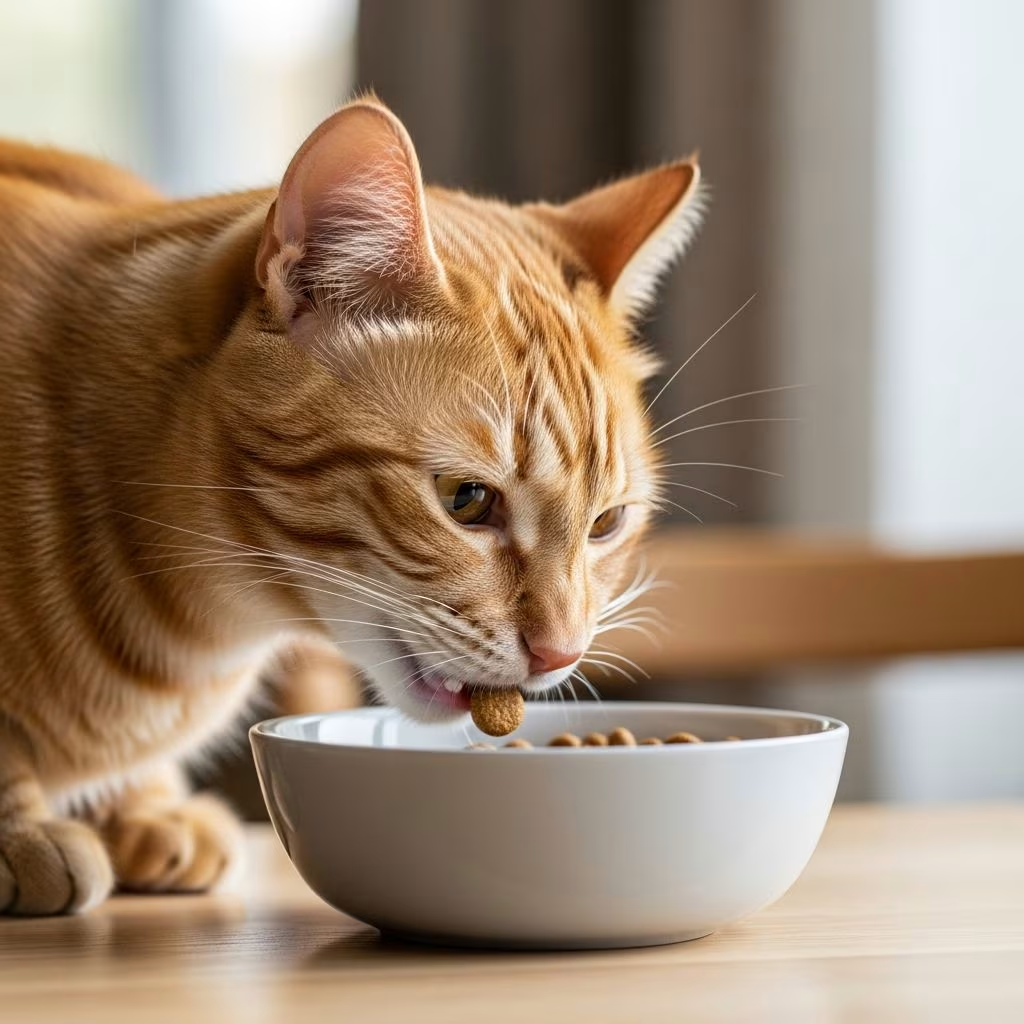
When your cat starts taking longer to finish meals, it can raise concerns about their well-being. This change in eating speed often signals underlying issues ranging from minor adjustments to serious medical conditions. Understanding the potential triggers helps pet owners respond appropriately, ensuring their feline companion stays healthy and comfortable.
Recognizing Normal Variations in Feline Eating Patterns
Cats naturally exhibit diverse eating behaviors. Some prefer quick meals, while others savor food slowly, influenced by age, breed, and personality. Kittens and young cats often eat rapidly due to high energy needs, whereas seniors may pace themselves because of reduced metabolism or physical limitations. Observing your cat’s baseline habits provides context for deviations.
Environmental factors also play a role. A quiet feeding area promotes relaxed eating, but distractions like household noise or other pets can prolong mealtimes. Temperature affects appetite too; warmer weather might lead to slower consumption as cats conserve energy. Tracking patterns over days reveals if slower eating is a temporary shift or persistent problem.
Common Medical Reasons for Delayed Eating
Health issues frequently cause cats to eat more deliberately. Pain or discomfort during chewing prompts cautious behavior, while systemic illnesses alter appetite drive.
Dental and Oral Health Problems
Dental disease tops the list of causes, affecting up to 90% of cats by age two. Conditions like gingivitis, tooth resorption, or abscesses make biting painful, leading to slower chewing, one-sided eating, or food dropping. Cats may paw at their mouth or show excessive drooling. Untreated issues escalate to infections, worsening appetite loss.
Kidney Disease and Metabolic Disorders
Chronic kidney disease (CKD), prevalent in older cats, builds toxins causing nausea, which slows eating. Affected cats drink more but eat less due to uremic buildup impairing taste and smell. Diabetes presents similarly, with increased thirst but variable appetite; untreated, it leads to weight loss despite slower intake. Hyperthyroidism accelerates metabolism, sometimes resulting in ravenous but inefficient eating.
Urinary and Gastrointestinal Concerns
Feline lower urinary tract disease (FLUTD) including infections or stones causes abdominal pain, reducing food interest. Gastrointestinal blockages from ingested objects like string or toys halt eating abruptly, often with vomiting. Pancreatitis or liver issues induce nausea, making meals unappealing.
| Condition | Symptoms Beyond Slow Eating | Common Age Group |
|---|---|---|
| Dental Disease | Drooling, bad breath, pawing mouth | All ages, worsens with age |
| Kidney Disease | Increased thirst/urination, weight loss | Seniors (7+ years) |
| Diabetes | Excessive hunger/thirst initially | Overweight adults |
| FLUTD | Straining to urinate, blood in urine | Young to middle-aged |
Behavioral and Environmental Influences
Not all slower eating stems from illness. Cats are sensitive to their surroundings, and stress manifests as altered feeding.
Stress and Anxiety Triggers
Changes like new pets, moves, or routine disruptions spike stress hormones, suppressing appetite. A dirty litter box or inconsistent feeding times heightens anxiety, leading to tentative eating. Cats hide distress well, acting normal otherwise, but prolonged stress risks hepatic lipidosis—a dangerous fat buildup in the liver from reduced intake.
Food-Related Factors
Picky eaters reject new flavors, textures, or stale food, eating slowly or leaving portions. Cold food loses appeal since cats favor warmth; recent diet switches without gradual transition cause aversion. Overweight cats might self-regulate by pacing meals.
- Food transition tip: Mix 25% new food with 75% old for 3-5 days, increasing gradually.
- Warm it up: Microwave wet food briefly to body temperature.
- Freshness check: Discard uneaten kibble daily to prevent staleness.
Age-Specific Considerations
Kittens rarely eat slowly unless teething or ill. Adults face stress or allergies. Seniors deal with arthritis limiting bowl access, or sensory decline dulling smell/taste. Multi-cat homes amplify competition, slowing subordinate cats.
Steps to Monitor and Respond
Log eating time, amount, and behavior for a week. Weigh weekly; 5-10% loss warrants action. Offer multiple small meals; elevate bowls for arthritic cats.
- Examine mouth for red gums or loose teeth.
- Check water intake and urine output.
- Rule out stressors by isolating feeding area.
- Consult vet if slow eating persists over 24-48 hours, especially with lethargy or vomiting.
Vets may recommend bloodwork, dental exams, or imaging. Early intervention prevents complications like dehydration or organ strain.
Practical Home Remedies and Prevention
Enhance appeal with puzzle feeders to slow natural eaters, preventing bloat. Dental treats or water fountains boost hygiene and hydration. Annual checkups catch issues early.
- Hydration boost: Wet food or broth additives.
- Positioning: Raised bowls for neck comfort.
- Enrichment: Quiet, elevated feeding spots.
When to Seek Immediate Veterinary Help
Rush to the vet if slower eating accompanies vomiting, diarrhea, hiding, or no intake for 24+ hours. Kittens, seniors, or diabetics face higher risks. Diagnostics like urinalysis or X-rays pinpoint causes.
Frequently Asked Questions (FAQs)
Why is my cat suddenly eating slower but acting fine?
Often dental pain or mild nausea; monitor and vet check if ongoing.
Is slower eating dangerous for cats?
Yes, prolonged reduction risks fatty liver disease; act within 48 hours.
Can stress alone cause slow eating?
Absolutely; minimize changes and observe for improvement.
How do I encourage faster eating safely?
Use warmed food, consistent routine; avoid force-feeding.
What if my senior cat eats slower?
Check for arthritis or kidney issues via vet exam.
Long-Term Strategies for Healthy Eating Habits
Maintain balanced diet with high-quality protein. Rotate flavors sparingly. Regular play reduces stress. Vaccinations and parasite control prevent illness-induced changes. Bond through mealtime routines, fostering security.
By addressing slower eating proactively, owners safeguard their cat’s nutrition and vitality. Persistent vigilance ensures minor issues don’t escalate.
References
- Why Your Cat’s Eating and Drinking Habits Change — Just Cats Clinic. 2023-05-15. https://justcatsclinic.com/why-your-cats-eating-and-drinking-habits-change/
- 10 Reasons Your Cat May Not Be Eating — GoodRx. 2024-08-20. https://www.goodrx.com/pet-health/cat/not-eating
- Your cat’s not eating much but acting normal? Here is why! — Untamed. 2023-11-10. https://untamed.com/blogs/nutrition/cat-not-eating-much-but-acting-normal
- Why is my cat not eating? — Emergency Veterinary Care Centers. 2024-02-28. https://evcc.com/blog/why-is-my-cat-not-eating/
- My Cat’s Not Eating Much but is Acting Normal, What’s Going On? — VEG. 2023-07-12. https://www.veg.com/post/my-cats-not-eating-much-but-is-acting-normal-whats-going-on



