

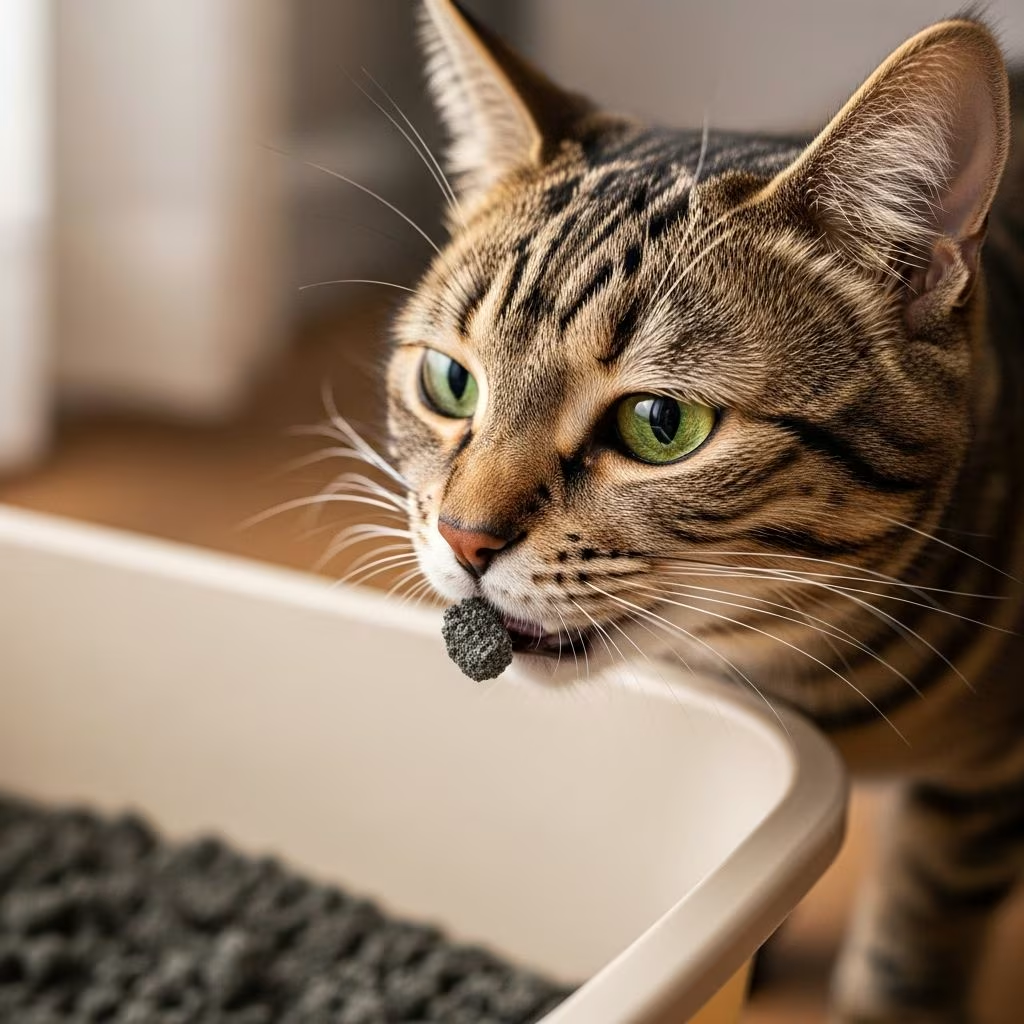
Cats eating litter is a concerning behavior that can signal underlying health issues or nutritional deficiencies. Known as pica, this compulsion to ingest non-food items like kitty litter requires prompt attention to prevent serious complications such as intestinal blockages or toxicity.
Why Is My Cat Eating Litter?
Observing your cat munching on litter can be alarming. This behavior, often linked to **pica**, stems from various causes including medical conditions, stress, or curiosity. Understanding the root cause is essential for effective intervention.
Pica in Cats
**Pica** is an obsessive-compulsive disorder where cats chew or eat inedible objects like litter, plastic, or fabric. In kittens, it may arise from playfulness or weaning stress, but in adults, it frequently indicates health problems. Cats with pica may target litter due to its texture or perceived nutritional value.
Nutritional Deficiencies
Nutritional gaps can drive cats to eat litter in a bid to fulfill unmet needs. Common deficiencies include:
- Iron Deficiency (Anemia): Iron is vital for hemoglobin production, which transports oxygen. Deficient cats develop anemia, leading to weakness and litter ingestion to seek minerals.
- Vitamin Shortages: Lack of B12 or B6 vitamins impairs red blood cell production and nervous system function, prompting unusual eating habits.
High-carb diets exacerbate this by providing empty calories, causing digestive issues and nutrient malabsorption.
Medical Conditions
Several diseases manifest through litter eating:
- Anemia: Symptoms include lethargy, pale gums, rapid breathing, and weakness. Cats eat litter instinctively for iron.
- Kidney Disease: Common in older cats, it causes increased thirst, urination outside the box, lethargy, and appetite loss. Early detection via blood/urine tests is critical.
- Hyperthyroidism: Leads to weight loss, hyperactivity, and excessive thirst alongside pica-like behaviors.
- Gastrointestinal Disorders: IBD, gastritis, or pancreatitis cause nausea and malabsorption, prompting litter consumption for relief.
- Feline Leukemia (FeLV): This viral disease induces anemia and lymphoma, with symptoms like fever, infections, and poor coat.
Stress and Environmental Factors
Behavioral triggers include anxiety from changes like new pets or moves. Cats may eat litter as a coping mechanism. Certain litters’ texture or scent can also attract curious felines.
Dangers of Cats Eating Litter
While occasional nibbling might seem harmless, regular litter ingestion poses severe risks, especially with clumping varieties.
Intestinal Blockages
Clumping clay litter absorbs moisture in the gut, forming cement-like masses that obstruct intestines. This leads to constipation, vomiting, and may necessitate surgery.
Respiratory Problems
Litter dust inhalation causes coughing, wheezing, or asthma exacerbation. Cats grooming dust off paws ingest it, irritating the GI tract.
Litter Toxicity Signs
Watch for:
- Nausea and vomiting
- Diarrhea or constipation
- Lethargy and weakness
- Loss of appetite and weight loss
- Increased thirst/urination
- Behavioral changes
| Risk | Symptoms | Litter Type Most Affected |
|---|---|---|
| Blockage | Vomiting, constipation | Clumping clay |
| Toxicity | Diarrhea, lethargy | Clay, silica |
| Respiratory | Coughing, wheezing | Dusty litters |
How to Stop Your Cat from Eating Litter
Addressing litter eating involves veterinary evaluation and lifestyle adjustments.
Visit the Vet Immediately
A thorough exam including bloodwork rules out anemia, kidney issues, or FeLV. Early diagnosis improves outcomes.
Dietary Improvements
Switch to high-protein, low-carb diets rich in iron and vitamins. Avoid carb-heavy foods that cause deficiencies and obesity.
Litter Box Solutions
- Use non-clumping, digestible litters like tofu or paper-based to minimize harm if ingested.
- Provide multiple clean boxes in quiet areas.
- Add litter box toppers or toys to deter eating.
Reduce Stress
Incorporate pheromone diffusers, playtime, and stable routines. Separate anxious cats from stressors.
Monitor and Train
Supervise litter box time, distract with toys, and use positive reinforcement. Cover litter edges if needed.
Frequently Asked Questions (FAQs)
Why is my cat suddenly eating litter?
It could indicate anemia, nutritional deficiencies, or stress. Consult a vet for blood tests to identify issues like kidney disease.
Is cat litter toxic if eaten?
Yes, especially clumping types causing blockages and toxicity. Symptoms include vomiting and lethargy; switch to safer alternatives.
Can pica in cats be cured?
Pica management involves treating underlying causes like deficiencies or medical conditions. Dietary changes and environmental enrichment help.
What are anemia symptoms in cats eating litter?
Pale gums, weakness, lethargy, and rapid breathing. Vet-prescribed supplements often resolve it.
How much litter is dangerous for cats?
Even small amounts of clumping litter can form blockages. Any ingestion warrants monitoring and vet advice.
References
- Why Does My Cat Eat Litter? Causes & Solutions for Cats — MichuPet. 2023. https://michupet.com/blogs/pet-care/why-does-my-cat-eat-litter
- Why Is My Cat Eating Litter? — PetMD. 2024-05-15. https://www.petmd.com/cat/general-health/why-is-my-cat-eating-litter
- Why Your Cat Is Eating Litter and How to Stop It — PetCareRx. 2023. https://www.petcarerx.com/article/why-your-cat-is-eating-litter-and-how-to-stop-it/6954
- Why is your cat eating litter, and how to stop them? — Untamed. 2024. https://untamed.com/blogs/cat-care/cat-eating-litter
- Why Is My Cat Eating Litter? — Wakefield Pet Vet. 2023-10-01. https://wakefieldpetvet.com/blog/cat-eating-litter/



