

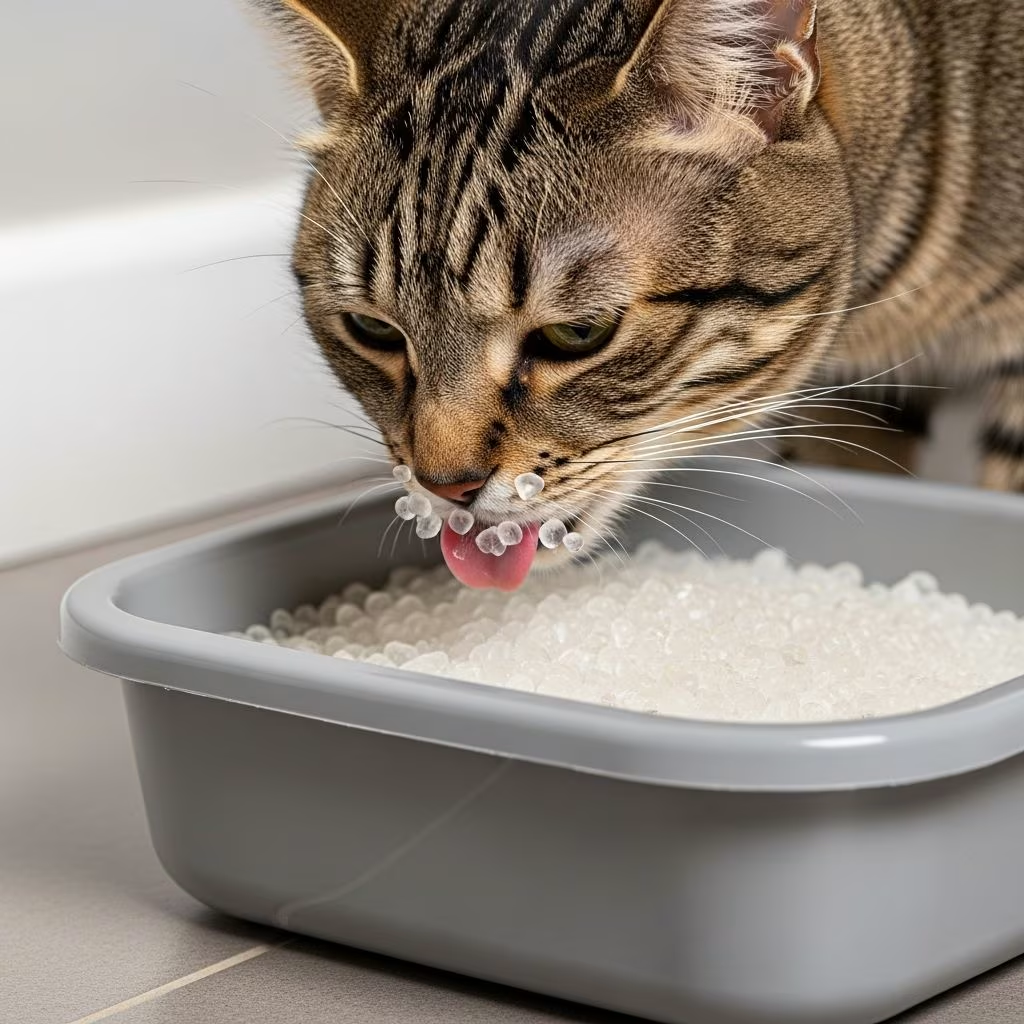
When you notice your cat nibbling on crystal litter from the box, it raises immediate red flags. This unusual behavior, known as litter ingestion or pica, can stem from various health or environmental factors and poses significant risks to your pet’s well-being. Crystal litters, typically made from silica gel or similar absorbent materials, are not designed for consumption and can lead to serious complications if swallowed in quantity.
Understanding the Behavior: Why Cats Eat Crystal Litter
Cats may consume litter crystals out of curiosity, especially kittens, or as a sign of deeper issues. Adult cats exhibiting this habit often point to underlying problems. Nutritional deficiencies play a major role, where cats instinctively seek out minerals or substances missing from their diet. For instance, deficiencies in vitamins like A or B1, or minerals such as magnesium, taurine, or sodium, can drive this compulsive eating.
Behavioral triggers include boredom, stress, or anxiety. Cats in sterile environments with limited stimulation might turn to litter as a plaything or comfort source. Medical conditions exacerbate this: anemia prompts clay or crystal seeking for iron-like properties; kidney disease alters taste perceptions; and feline leukemia or thyroid disorders disrupt normal appetites.
- Nutritional Gaps: Imbalanced diets lacking essential nutrients lead to pica-like behaviors.
- Medical Issues: Diseases affecting digestion or blood health make non-food items appealing.
- Environmental Factors: Lack of toys, changes in routine, or isolation can provoke exploratory eating.
Health Dangers of Crystal Litter Ingestion
Crystal litter isn’t toxic in small amounts but becomes hazardous when ingested regularly. The sharp, absorbent particles can cause mechanical damage in the digestive tract. Primary risks include intestinal blockages, where clumps form obstructions preventing food passage, leading to severe pain and potential surgery.
Digestive upset is common: vomiting, diarrhea, constipation, or lethargy signal irritation or dehydration from silica absorbing gut moisture. In extreme cases, perforation of the intestines occurs, spilling bacteria into the abdomen and causing life-threatening peritonitis. Long-term, repeated exposure might contribute to urinary issues, as some litters mimic crystal formations seen in feline lower urinary tract disease (FLUTD).
| Risk Level | Symptoms | Potential Outcomes |
|---|---|---|
| Low (Occasional Nibbling) | Mild vomiting, soft stools | Self-resolving with monitoring |
| Moderate (Frequent) | Straining, appetite loss | Dehydration, vet intervention needed |
| High (Large Amounts) | Abdominal pain, no bowel movements | Blockage, surgery, or fatality |
Beyond digestion, nutritional interference arises as indigestible litter displaces real food, worsening deficiencies. Male cats face amplified urinary blockage risks if litter contributes to crystal-like plugs in the urethra.
Recognizing Warning Signs in Your Cat
Early detection prevents escalation. Watch for changes in litter box habits, such as straining without output or blood-tinged urine, which overlap with urinary crystal symptoms but can stem from ingestion. Gastrointestinal cues include frequent vomiting, especially post-litter access, diarrhea with undigested particles, or refusal to eat.
Behavioral shifts like excessive grooming around the rear, restlessness, or hiding indicate discomfort. Physical exams might reveal pale gums (anemia), weight loss, or a distended belly from blockages. If your cat cries during defecation or shows weakness, seek emergency care immediately.
- Frequent trips to the litter box with minimal results.
- Lethargy or isolation from family activities.
- Visible litter residue in vomit or feces.
- Increased thirst paired with reduced urination.
Diagnostic Steps: What Vets Do Next
A veterinary visit starts with a thorough history: diet details, litter type, behavior onset, and stool samples. Physical exams check for dehydration or abdominal tenderness. Bloodwork screens for anemia, kidney function, and nutrient levels; urinalysis detects crystals or infections.
Imaging like X-rays or ultrasounds visualizes blockages or stones. Endoscopy or exploratory surgery confirms severe cases. Treatment hinges on findings: fluids for dehydration, anti-nausea meds, or enemas for mild constipation. Surgical removal is last resort for obstructions.
Prevention Strategies: Stopping the Habit
Switch litters promptly—opt for larger-grained clay or pine alternatives less appealing to chew. Provide environmental enrichment: puzzle feeders, scratching posts, and interactive play reduce boredom. Elevate litter boxes or use covered designs to limit access to crystals.
Diet overhaul is crucial. Transition to high-quality, AAFCO-approved wet foods boosting hydration and balancing minerals, minimizing urinary crystal risks too. Supplements address deficiencies only under vet guidance, as excess can harm. Training with deterrents like citrus sprays on litter edges works for some cats.
- Consult vet for diet analysis and blood tests.
- Introduce toys and rotate them weekly.
- Increase water intake via fountains or flavored additives.
- Monitor for 48 hours post-changes.
Addressing Root Causes for Long-Term Health
Tackle nutritional shortfalls with vet-recommended foods rich in taurine and balanced minerals. For stress, pheromone diffusers or calming collars soothe anxieties. Medical management for kidney or thyroid issues involves tailored meds and follow-ups.
Regular wellness checks catch issues early. Annual blood panels monitor anemia or deficiencies. Hydration-focused diets prevent both litter eating and urinary crystals, common in dry-food reliant cats.
Common Myths About Cats and Litter Eating
Myth: It’s always harmless curiosity. Reality: Persistent cases signal health woes needing intervention. Myth: All litters are safe if eaten sparingly. Truth: Crystals pose unique absorption and sharpness risks unlike softer clays.
FAQs
What should I do if my cat eats crystal litter once?
Monitor for vomiting or lethargy for 24-48 hours. Offer plenty of water and bland food. Vet if symptoms appear.
Can crystal litter cause urinary crystals in cats?
Indirectly yes—dehydration from ingestion concentrates urine, promoting natural crystals like struvite or oxalate.
How long before litter eating becomes dangerous?
Even small amounts daily can accumulate; blockages form in days to weeks depending on quantity.
Is pica curable in cats?
Often manageable with diet fixes and enrichment; underlying diseases require ongoing care.
Best litter alternatives for nibblers?
Pelleted paper, corn-based, or grass litters—non-toxic and less enticing.
Preventing litter consumption ensures your cat thrives without unnecessary risks. Proactive care turns potential crises into manageable routines.
References
- Urine Crystals and Bladder Stones in Cats — PetMD. 2023. https://www.petmd.com/cat/conditions/urinary/urine-crystals-and-bladder-stones-in-cats
- Crystals in Cat Urine: Signs, Causes, & Treatment — Litter-Robot. 2024. https://www.litter-robot.com/blog/crystals-in-cat-urine/
- My cat just started eating the crystal litter, should I be worried? — Dial A Vet. 2023. https://www.dialavet.com/vet-answers/cat-nibbling-crystal-litter-health-26804
- Why is My Cat Eating Litter? — Pewaukee Veterinary Service. 2024. https://pewaukeeveterinaryservice.com/blog/why-is-my-cat-eating-litter/
- Why is my cat eating cat litter? — WagWalking. 2023. https://wagwalking.com/cat/symptom/why-is-my-cat-eating-cat-litter
- Why Is My Cat Eating Litter? — Hill’s Pet Nutrition. 2024. https://www.hillspet.com/cat-care/behavior-appearance/why-is-my-cat-eating-litter



