

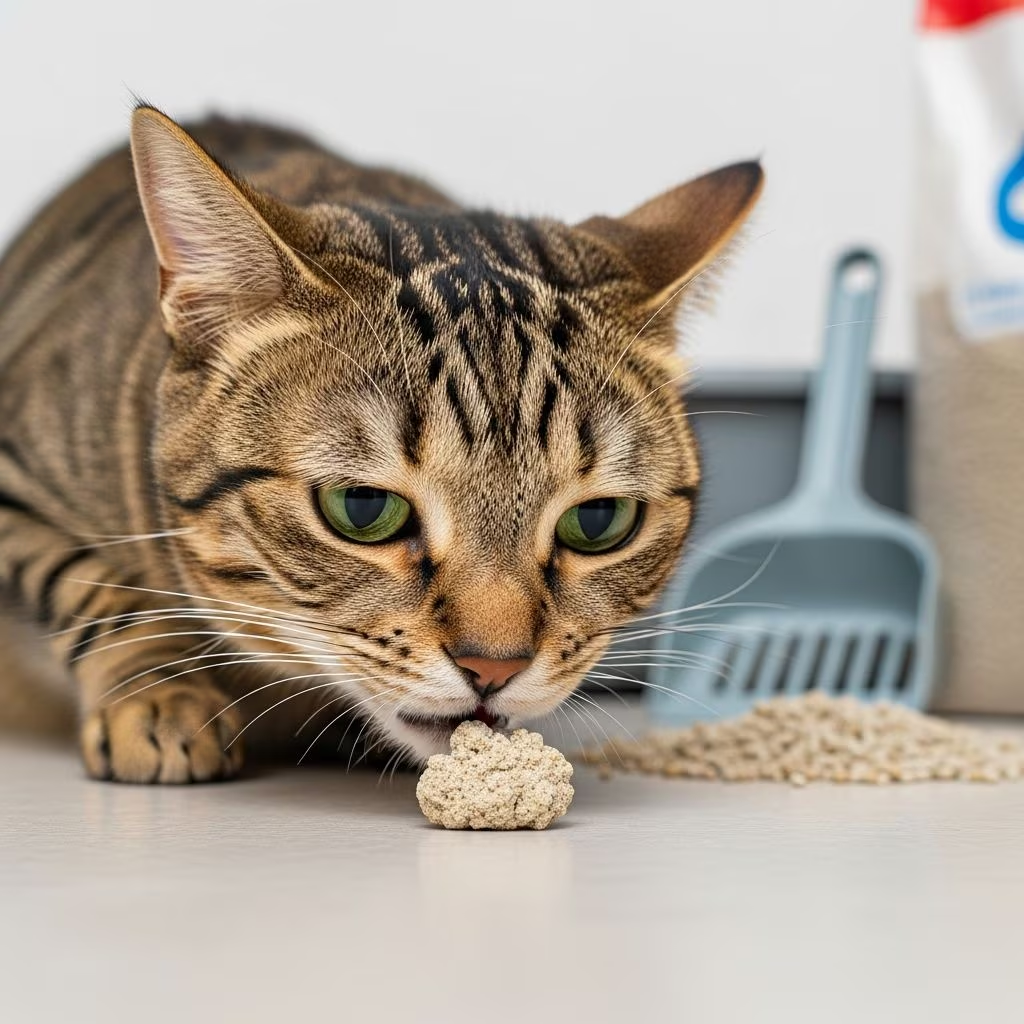
Observing a cat consuming litter is alarming for any pet owner, as this unusual behavior signals potential health risks or underlying issues. Known as pica in veterinary terms, this compulsion to ingest non-food items like litter can stem from medical conditions, dietary shortfalls, stress, or environmental factors. Prompt identification and intervention are crucial to prevent complications such as gastrointestinal blockages or nutrient malabsorption.
Understanding Pica in Cats
Pica refers to the persistent chewing or eating of non-nutritive substances, a condition observed across species but particularly concerning in cats due to their fastidious nature. In felines, litter ingestion often manifests as licking, nibbling, or outright swallowing granules, which can lead to serious health consequences. This behavior transcends mere curiosity, frequently indicating deeper physiological or psychological disturbances.
Cats exhibiting pica may target specific litter types, such as clumping clay varieties, which pose heightened dangers due to their ability to form concrete-like masses in the digestive tract. Early detection through vigilant observation—watching for litter particles on whiskers, paws, or in vomit—is essential for timely veterinary consultation.
Primary Medical Causes Behind Litter Consumption
Several health disorders can trigger litter eating, often linked to cravings for minerals or compensatory behaviors from discomfort. Veterinary diagnostics, including bloodwork and fecal exams, are vital for pinpointing these issues.
- Anemia: A deficiency in red blood cells deprives tissues of oxygen, prompting cats to seek iron-rich substitutes like clay litter. Symptoms include pale gums, fatigue, and reduced playfulness.
- Hyperthyroidism: Overactive thyroid glands accelerate metabolism, heightening appetite and leading to indiscriminate eating. Older cats are prone, showing increased thirst and weight loss alongside pica.
- Kidney Disease: Impaired renal function disrupts mineral balance, causing uremia that may drive litter ingestion. Diagnostic urine and blood tests confirm this progressive condition.
- Neurological Disorders: Brain tumors or cognitive dysfunction in seniors can alter hunger signals, resulting in abnormal appetites. Affected cats may also eliminate outside the box.
- Leukemia: This viral cancer induces anemia and nutrient deficits, compelling litter consumption as a misguided nutrient quest.
These conditions demand professional evaluation; self-diagnosis risks overlooking treatable diseases.
Nutritional Deficiencies Fueling the Habit
Inadequate diets leave cats yearning for essential vitamins and minerals, turning litter—often mineral-laden—into an appealing supplement. Diets relying on inappropriate foods like dog kibble or human scraps exacerbate this, as they fail to meet feline-specific needs.
| Deficient Nutrient | Potential Symptoms | Litter Appeal |
|---|---|---|
| Iron/Vitamins | Lethargy, pale gums | Clay minerals mimic iron sources |
| Minerals (e.g., Sodium Bentonite) | Weakness, poor coat | Litter provides false mineral fix |
| Balanced Proteins/Fats | Weight loss, hunger | Compensatory non-food intake |
Switching to age-appropriate, AAFCO-approved cat food resolves many cases. Veterinarians may recommend supplements post-testing.
Behavioral and Environmental Triggers
Beyond physical causes, psychological factors play a significant role. Cats, as sensitive creatures, respond to their surroundings with coping mechanisms like pica.
- Stress and Anxiety: Changes in routine, new pets, or loud environments provoke stress-eating. Confinement history amplifies this.
- Boredom: Understimulated indoor cats invent diversions, mistaking litter texture for play or food.
- Litter Box Aversion: Dirty or poorly placed boxes frustrate cats, leading to ingestion while seeking alternatives.
- Attractive Litter Types: Food-scented options (corn, wheat) or fine textures entice sampling.
Genetic predispositions or early weaning can predispose kittens to lifelong pica.
Dangerous Health Risks of Litter Ingestion
Ingesting litter isn’t benign; it invites severe complications. Clumping litters solidify in the gut, necessitating surgery for obstructions. Dust inhalation causes respiratory distress, while chronic intake impairs nutrient uptake, fostering weight loss, diarrhea, and lethargy.
Parasitic infestations, like worms or giardia, compound issues by heightening hunger or irritating the tract, perpetuating the cycle. Owners report appetite loss and behavioral shifts in affected cats.
Step-by-Step Diagnosis Process
Addressing litter eating begins with a systematic approach:
- Observe and Document: Note frequency, litter type, and accompanying symptoms like vomiting or thirst.
- Veterinary Visit: Request blood panels for anemia, thyroid, and kidney function; fecal tests for parasites.
- Diet Review: Analyze food history for deficiencies.
- Environmental Audit: Assess stress sources and litter setup.
Advanced imaging rules out tumors if initial tests are inconclusive.
Effective Prevention and Management Strategies
Combining medical treatment with lifestyle tweaks halts pica effectively.
- Optimize Diet: Provide premium, balanced cat food; consider prescription diets for deficiencies.
- Enrich Environment: Introduce puzzle feeders, scratching posts, and daily play to combat boredom.
- Litter Adjustments: Switch to non-clumping, larger-granule, or food-free litters; ensure multiple clean boxes.
- Stress Reduction: Use pheromone diffusers, maintain routines, and create safe spaces.
- Monitoring Tools: Litter box cameras or appetite trackers aid progress tracking.
For compulsive cases, behavioral therapy or medications may be prescribed.
When to Seek Immediate Veterinary Help
Rush to the vet if litter eating coincides with vomiting, constipation, blood in stool, extreme lethargy, or rapid weight loss. These signal emergencies like blockages. Kittens, seniors, or multi-cat households warrant quicker action due to higher risks.
FAQs on Cats Eating Litter
Is litter eating always a sign of illness?
No, but it’s rarely normal. Rule out medical causes first via vet exam.
Can changing litter stop the behavior?
Often yes, especially if texture or scent attracts; combine with other fixes.
How long before litter ingestion causes blockages?
Varies; clumping types act fast, within days of heavy consumption.
Does deworming resolve pica?
If parasites are culprits, yes, alongside diet tweaks.
Is pica curable in adult cats?
Many cases resolve with intervention, though some need ongoing management.
By tackling root causes proactively, owners safeguard their cats from pica’s perils, fostering healthier, happier lives.
References
- Why Your Cat Is Eating Litter and How to Stop It — PetCareRx. 2023. https://www.petcarerx.com/article/why-your-cat-is-eating-litter-and-how-to-stop-it/6954
- Why is My Cat Eating Litter? — Pewaukee Veterinary Service. 2024. https://pewaukeeveterinaryservice.com/blog/why-is-my-cat-eating-litter/
- Why Is My Cat Eating Litter? — PetMD. 2025-01-15. https://www.petmd.com/cat/general-health/why-is-my-cat-is-eating-litter
- Why Is My Cat Eating Litter? — Hill’s Pet Nutrition. 2024. https://www.hillspet.com/cat-care/behavior-appearance/why-is-my-cat-eating-litter



