

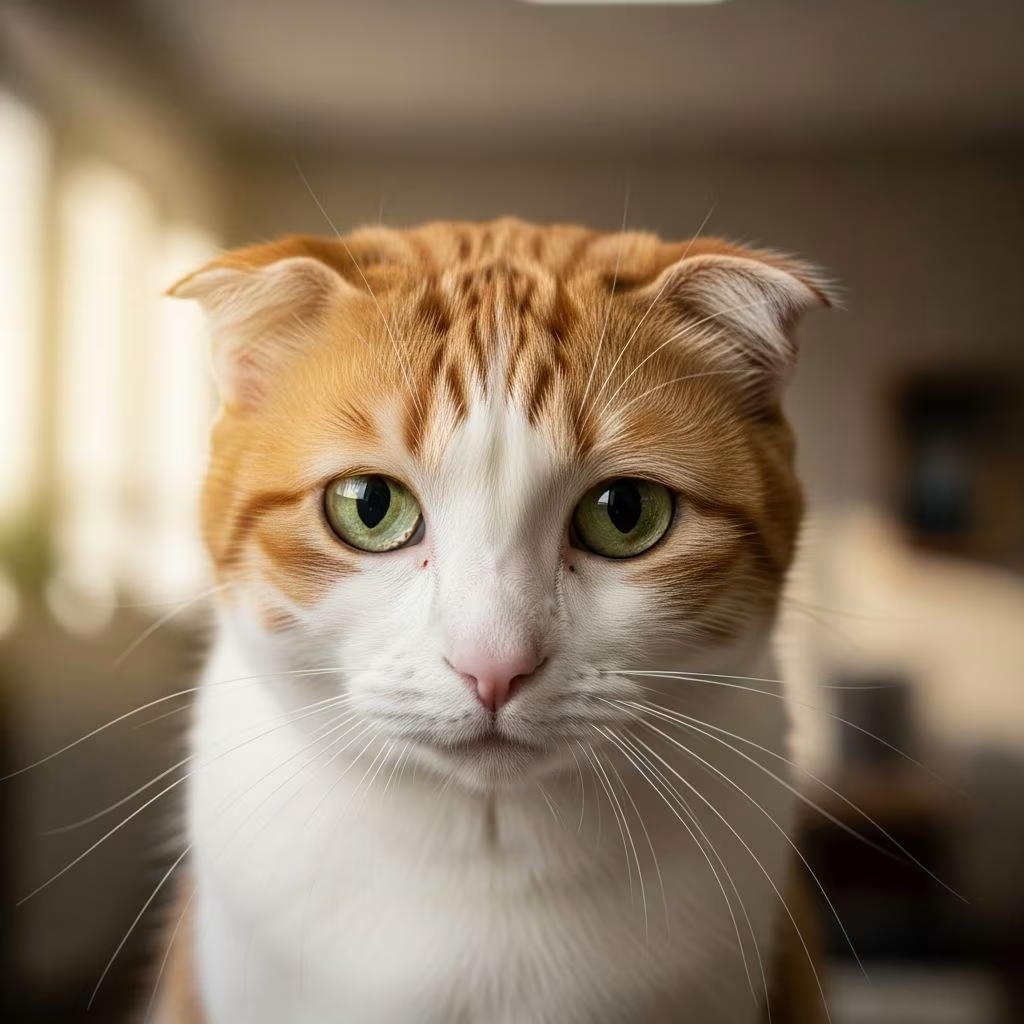
Drooping ears in cats often signal discomfort or an underlying health issue that requires prompt attention. While not a disease itself, this symptom commonly stems from parasites, infections, or trauma, and early veterinary intervention can prevent complications like chronic pain or hearing loss.
What Are the Signs Associated With Drooping Cat Ears?
Cat owners typically notice drooping ears immediately, as the ears appear lowered or the pinna (visible ear flap) swells, altering the cat’s normal upright posture. This change indicates irritation, prompting behaviors aimed at relieving discomfort.
Common accompanying signs include:
- Head shaking or frequent scratching at the affected ear(s)
- Dirty appearance inside the ears, often with dark, crumbly debris
- Unpleasant odor emanating from the ears
- Sensitivity or pain when touching the ears
- Hair loss, sores, or scabs on the ear’s outer surface
- Visible swelling of the ear flap
- Behavioral changes, such as hiding, irritability, or reduced appetite
These symptoms can affect one or both ears and vary in severity based on the cause. For instance, ear mites often produce coffee-ground-like discharge, while infections may add pus or a yeasty smell.
What Are the Causes of Droopy Ears in Cats?
Droopy ears result from conditions irritating the ear canal or damaging the pinna, leading to inflammation, pain, or structural changes. Identifying the root cause is essential, as treatments differ significantly.
Primary Causes:
- Parasites (Ear Mites): Ear mites (Otodectes cynotis) are tiny parasites infesting the ear canal, causing intense itching. They thrive in warm, moist environments and spread easily between cats, especially in multi-pet homes or shelters. Dark, waxy debris resembling coffee grounds is a hallmark sign.
- Otitis Externa (Outer Ear Infection): Bacterial, yeast, or mixed infections inflame the external ear canal. Allergies, moisture, or untreated mites predispose cats. Chronic cases may stem from food or environmental allergies fostering yeast overgrowth.
- Aural Hematoma: Blood accumulates in the pinna due to ruptured vessels from trauma like fights, vigorous head shaking, or scratching. The ear flap swells, feels hot and soft, and droops under the weight.
Less Common Causes:
- Contact Dermatitis: Allergic reactions to topical medications cause red, swollen, bumpy ears. Symptoms appear 1-7 days after application.
- Folded Ear Tips: Long-term steroid use or sun damage leads to permanent folding, often at the tips.
- Frostbite: In cold climates, ear tips pale, swell, and may necrotize, causing droop.
- Inner Ear Issues or Polyps: Untreated outer infections spread inward, or benign growths like polyps cause tilting and drooping.
| Cause | Key Signs | Risk Factors |
|---|---|---|
| Ear Mites | Dark debris, intense scratching | Multi-cat homes, outdoor access |
| Otitis Externa | Odor, discharge, swelling | Allergies, humidity |
| Aural Hematoma | Soft, hot swelling | Fights, head shaking |
Regardless of cause, drooping indicates an issue needing professional diagnosis, as self-treatment risks worsening the problem.
What Is the Treatment for a Cat With Droopy Ears?
Treatment targets the underlying cause, often combining cleaning, medications, and supportive care. Always consult a veterinarian for accurate diagnosis via otoscopy, cytology, or imaging.
Ear Mites
Vets clean ears with a safe solution to remove debris, then apply topical parasiticides (e.g., selamectin, ivermectin) or systemic options like moxidectin or milbemycin. Multiple applications (every 1-2 weeks) ensure eradication, as eggs hatch asynchronously. Treat all household pets and clean bedding to prevent reinfestation.
Otitis Externa
Cytology identifies bacteria or yeast, guiding antibiotic, antifungal, or anti-inflammatory ointments. Oral or injectable meds may supplement severe cases. Rechecks confirm resolution; recurrent infections warrant allergy testing.
Aural Hematoma
Surgery drains fluid via incision, followed by sutures or drains to appose skin layers and prevent recurrence. Pain relief and antibiotics reduce complications. Scarring may leave a crinkled appearance.
General Care:
- Avoid home remedies like hydrogen peroxide, which irritate further.
- E-collar prevents self-trauma during healing.
- Follow-up visits monitor progress.
Will My Cat’s Droopy Ears Go Away on Their Own?
No, droopy ears rarely resolve without intervention, as they stem from active issues like mites or infections that persist or worsen. Delaying care risks secondary infections or hematomas.
Will My Cat’s Ears Stop Drooping After Treatment?
Yes, for mites and infections, ears return to normal once pain subsides. Hematomas may scar, causing slight permanent droop or crumpling.
How Can I Prevent Droopy Ears in My Cat?
Prevention focuses on reducing risks:
- Keep cats indoors to avoid fights and parasites.
- Use vet-recommended flea/tick/ear mite preventives.
- Quarantine new cats and vet-check before introduction.
- Maintain ear hygiene gently; clean only if advised.
- Address allergies early via diet trials or testing.
Regular vet exams catch issues early.
Frequently Asked Questions (FAQs)
Why is my cat’s one ear drooping?
A single drooping ear often indicates localized issues like mites, infection, or hematoma from trauma. Bilateral droop suggests systemic parasites.
Can droopy ears cause hearing loss in cats?
Untreated infections or polyps can progress to inner ear damage, impairing hearing. Prompt treatment preserves function.
Is cat ear drooping an emergency?
Not always, but sudden droop with swelling, discharge, or lethargy warrants same-day vet care to rule out hematoma or severe infection.
How long do cat ears take to heal after treatment?
Mites: 2-4 weeks; infections: 1-3 weeks; hematomas: 2-6 weeks post-surgery, with full cosmetic recovery varying.
Final Thoughts
Drooping cat ears demand quick veterinary evaluation to identify and treat causes like ear mites, otitis externa, or aural hematomas effectively. Most cases respond well with proper care, restoring comfort and ear position. Proactive prevention through indoor living and parasite control minimizes risks, ensuring your feline friend’s ears—and health—stay perky.
References
- Cat Ears Drooping: Causes, Signs & Treatment (Vet Answer) — Hepper. 2023. https://articles.hepper.com/cat-ears-drooping-vet-answer/
- Ear Mites in Cats — Small Door Veterinary. 2024. https://www.smalldoorvet.com/learning-center/medical/ear-mites-in-cats
- Disorders of the Outer Ear in Cats — Merck Veterinary Manual. 2025. https://www.merckvetmanual.com/cat-owners/ear-disorders-of-cats/disorders-of-the-outer-ear-in-cats
- Aural Haematoma (swollen ear flap) in cats — PDSA. 2024. https://www.pdsa.org.uk/pet-help-and-advice/pet-health-hub/conditions/aural-haematoma-in-cats
- Common Causes of Ear Problems in Cats — United Veterinary Center. 2023. https://unitedveterinarycenter.com/cats-ear-problems/



