

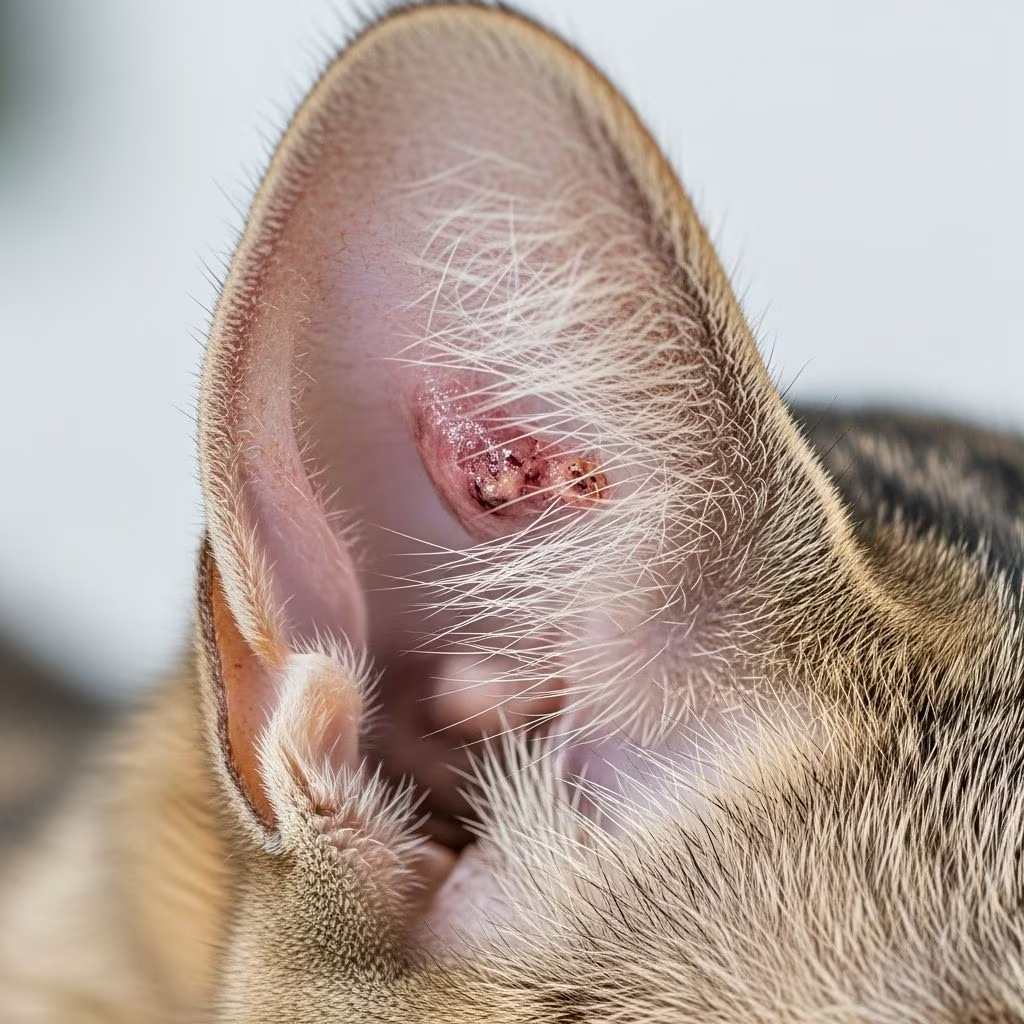
Cat ear sores are a common concern for pet owners, often appearing as red, oozing ulcers, scabs, or swollen areas on the ear pinnae. These painful lesions can result from scratching due to irritation inside the ear or direct injury to the outer ear. Early veterinary intervention is crucial to identify the underlying cause and prevent complications like chronic infections or hearing loss. This article explores the symptoms, potential causes, diagnostic approaches, treatments, and prevention strategies for cat ear sores.
What Are Cat Ear Sores?
Cat ear sores typically manifest as open wounds, ulcers, or crusty scabs on the ear flaps (pinnae). They may be focal, affecting a small area, or diffuse, causing the entire ear to swell like a pillow. Affected cats often show discomfort, avoiding touch, shaking their heads excessively, or scratching vigorously. Accompanying signs include discharge, odor, hair loss, or redness in the ear canal. While minor sores might heal with home care, persistent or worsening lesions require professional diagnosis to rule out serious conditions.
Symptoms of Cat Ear Sores
Recognizing symptoms early can prevent escalation. Common indicators include:
- Red, inflamed, or oozing skin on the ears
- Crusts, scabs, or ulcers that fail to heal
- Swelling of the pinna or ear canal
- Head shaking, scratching, or rubbing ears
- Dark, waxy discharge from the ear canal
- Odor, pain, or sensitivity when touching the ears
- Hair loss or scaling around the ears
- Balance issues or head tilt in severe cases
These symptoms overlap with various conditions, making vet examination essential for accurate identification.
Causes of Cat Ear Sores
Ear sores in cats stem from diverse etiologies, ranging from infectious agents to environmental factors. Understanding the root cause guides effective treatment.
1. Otitis (Ear Infections)
Otitis, or ear infections, often caused by bacteria or yeast, leads to intense itching. Cats scratch their ears, creating sores on the pinnae. It typically affects one or both ears, with crusting or discharge from the canal. Deeper infections may present solely as outer ear sores. Risk factors include allergies, moisture buildup, or anatomical issues like narrow canals. Secondary bacterial overgrowth exacerbates the problem.
2. Cat Bites or Scratches
Feline fights frequently result in ear punctures or scratches, as ears are prime targets. These wounds can develop into sores if infected. Indoor cats are less prone, but outdoor roamers face higher risks. Swollen, discharging, or systemically unwell cats need prompt antibiotics.
3. Ear Mites
Otodectes cynotis mites infest ear canals, producing thick, dark, coffee-ground-like discharge. Intense pruritus prompts self-trauma, forming sores. Differentiation from infections requires microscopic exam; secondary infections are common. Kittens and multi-pet homes are particularly susceptible.
4. Other External Trauma
Beyond fights, trauma arises from snagging on fences, bushes, or furniture. Lacerations lead to open sores prone to infection. Clean minor wounds with pet-safe antibacterials, but seek vets for deeper injuries.
5. Fleas
Fleas cause widespread itching, especially in flea allergy dermatitis (FAD) cases. Even few fleas trigger severe reactions, leading to ear scabs from scratching. Check the base of ears, neck, and back for flea dirt (black specks).
6. Squamous Cell Carcinoma (SCC)
This aggressive skin cancer favors light-colored, thinly haired areas like white ears. Lesions appear as non-healing sores that crust and ulcerate. Sun exposure accelerates development in outdoor cats. Early surgical removal, including pinnectomy, offers good prognosis.
Other Causes
- Allergies: Food, pollen, or contact allergens cause dermatitis with ear involvement.
- Solar Dermatitis: Chronic sunburn leads to inflamed, scaly ears.
- Autoimmune Diseases: Rare conditions like pemphigus cause blistering.
- Polyps/Tumors: Growths in the canal irritate, prompting scratching.
- Contact Dermatitis: Reactions to ear meds cause red, bumpy ears.
Diagnosis of Cat Ear Sores
Vets start with a thorough history and physical exam, focusing on ear cytology (microscopic debris analysis) to detect mites, bacteria, or yeast. Otoscopy visualizes the canal; imaging or biopsies rule out tumors. Bloodwork assesses underlying issues like allergies or diabetes. Accurate diagnosis prevents mis-treatment.
Treatment for Cat Ear Sores
Treatment targets the cause while managing pain and preventing further trauma. Use an e-collar to stop scratching.
| Cause | Treatment Options |
|---|---|
| Otitis | Ear cleaners, antibiotics, antifungals, steroids |
| Ear Mites | Miticide drops (e.g., selamectin), canal cleaning |
| Trauma/Bites | Antibacterial washes, oral antibiotics if infected |
| Fleas | Topical/oral flea preventives, medicated baths |
| SCC | Surgery (pinnectomy), radiation, cryotherapy |
| Allergies | Hypoallergenic diet, antihistamines, immunotherapy |
Cleaning involves saline or vet-approved solutions; apply drops by massaging the base. Oral meds control infection/inflammation. Chronic cases may need flushing under sedation or surgery for polyps.
Prevention Tips for Cat Ear Sores
- Keep cats indoors to avoid fights and trauma.
- Use monthly flea preventives year-round.
- Regular ear checks: Clean waxy buildup gently.
- Sun protection for light-eared cats (hats, limited exposure).
- Manage allergies with diet trials and hypoallergenic products.
- Vaccinate and control parasites routinely.
- Avoid OTC remedies without vet approval.
When to See a Vet
Consult a vet immediately if sores persist >48 hours, swell, discharge pus/blood, or if your cat seems lethargic, feverish, or loses balance. Delaying risks permanent damage like aural hematomas or deafness.
Frequently Asked Questions (FAQs)
Q: Can I treat cat ear sores at home?
A: Minor clean wounds can use pet-safe antibacterials, but most causes need vet-prescribed meds. Avoid human products or home remedies, which may worsen issues.
Q: Are ear mites common in adult cats?
A: Yes, though more frequent in kittens. They spread easily in multi-pet homes.
Q: How long do ear sores take to heal?
A: With proper treatment, 1-2 weeks; cancer or chronic cases longer, requiring surgery.
Q: Is sun exposure risky for cat ears?
A: Yes, white or light ears prone to solar dermatitis and SCC. Limit outdoor time.
Q: What if my cat has recurring ear problems?
A: Investigate allergies, polyps, or anatomy. Chronic cases may need specialist referral.
Final Thoughts
Cat ear sores demand prompt attention to ensure comfort and health. From mites to malignancy, causes vary, but veterinary diagnosis unlocks targeted therapy. Prevent with routine care, parasite control, and indoor living. Most resolve fully with intervention, restoring your feline friend’s happy ears.
References
- Disorders of the Outer Ear in Cats — Merck Veterinary Manual. 2023-10-15. https://www.merckvetmanual.com/cat-owners/ear-disorders-of-cats/disorders-of-the-outer-ear-in-cats
- Ear infections in cats — PDSA. 2024-05-20. https://www.pdsa.org.uk/pet-help-and-advice/pet-health-hub/conditions/ear-infections-in-cats
- Cat Ear Sores: Causes, Prevention Tips & Treatment (Vet Answer) — Catster (Veterinarian Reviewed). 2024-08-12. https://www.catster.com/ask-the-vet/cat-ear-sores/
- Ear Problems in Cats — International Cat Care. 2023-11-05. https://icatcare.org/articles/ear-problems-in-cats
- How to Treat Ear Infection in Cats — PetVax (Veterinarian Blog). 2023-10-30. https://www.petvaxah.com/site/blog/2023/10/30/cat-ear-infection



