

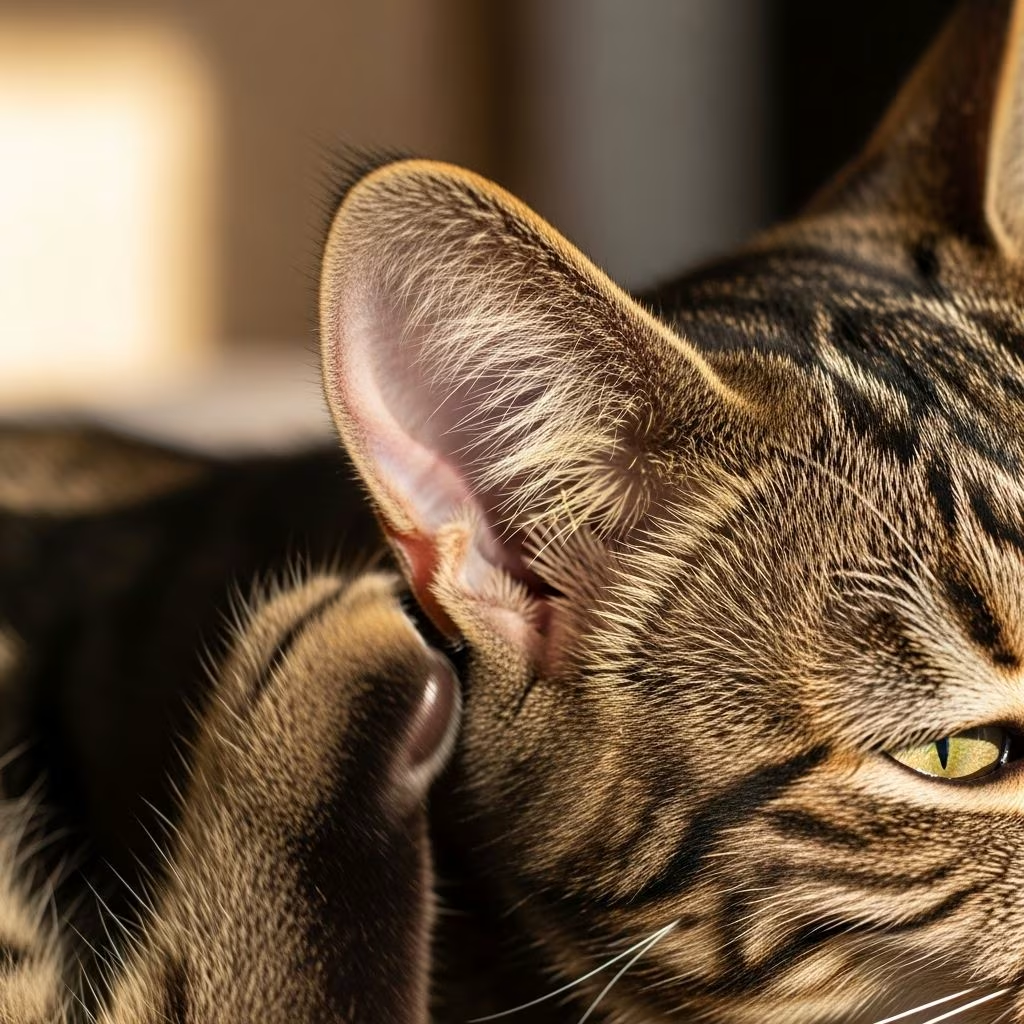
Excessive ear scratching in cats often points to irritation or discomfort that disrupts their daily routine. Owners frequently notice this behavior escalating from mild pawing to raw, inflamed skin, signaling a need for prompt attention. Understanding the root causes allows for targeted interventions, preventing complications like chronic infections.
Recognizing Normal vs. Problematic Ear Behavior
Cats naturally groom their ears during routine cleaning, using paws or rubbing against surfaces lightly. This keeps wax and debris in check without causing harm. However, when scratching becomes relentless, accompanied by head shaking or vocal complaints, it crosses into abnormal territory. Such persistence can lead to self-inflicted wounds, hair loss, or secondary bacterial growth on exposed skin.
- Normal: Occasional pawing post-meal or during play.
- Problematic: Non-stop scratching, especially at night, leading to redness or scabs.
Monitoring frequency helps differentiate. Track if it worsens in specific environments, like after outdoor time or new food introduction, to narrow potential triggers.
Primary Culprits Behind Itchy Ears in Cats
Several conditions commonly provoke intense ear itching. Parasites top the list, followed by immune responses and microbial overgrowth. Each presents distinct clues for identification.
Parasitic Infestations: Ear Mites
Ear mites, tiny parasites thriving in the ear canal’s warmth, are a leading cause, particularly in young or multi-pet households. They feed on wax and oils, triggering severe itching that prompts furious scratching. Visible signs include dark, crumbly debris resembling coffee grounds, often with a yeasty smell. These infestations spread easily between cats via close contact.
Kittens show heightened vulnerability due to immature immunity. Untreated, mites burrow deeper, risking canal inflammation or eardrum damage.
Allergic Reactions Triggering Ear Discomfort
Allergies rank high, with food proteins like beef or chicken, alongside environmental factors such as pollen, dust mites, or household cleaners, provoking itchy flare-ups. Ears become hotspots because allergens concentrate there, altering skin pH and fostering secondary yeast proliferation.
Chronic cases lead to thickened skin or recurrent infections. Cats may scratch broadly, but ears suffer most from the confined, moist conditions amplifying reactions.
Bacterial and Yeast Infections
Infections arise when debris, moisture, or allergies disrupt the ear’s balance, allowing bacteria or yeast to multiply. Symptoms feature swollen canals, colored discharge (yellow, brown), foul odors, and pain on touch. The itch-scratch cycle worsens damage, embedding microbes deeper.
| Factor | Bacterial Signs | Yeast Signs |
|---|---|---|
| Discharge | Pus-like, thick | Dark brown, waxy |
| Odor | Strong, pungent | Yeasty, musty |
| Skin Changes | Red, ulcerated | Greasy, inflamed |
Foreign Materials and Physical Trauma
Grass awns, foxtails, or insect fragments lodge in ears during outdoor exploits, causing localized irritation. Fight-related scratches or bites introduce bacteria, forming abscesses. Aural hematomas—fluid-filled swellings in ear flaps—result from vigorous shaking, adding pressure and itch.
Indoor cats face fewer foreign body risks but may encounter dust or fabric fibers from rubbing.
Less Common but Serious Issues
Polyps, benign growths in the middle ear, or rare tumors obstruct canals, mimicking infections. Fungal issues like ringworm create scaly, itchy patches around ear bases. Stress-induced overgrooming, though rarer for ears alone, amplifies other problems in anxious cats.
Key Symptoms Demanding Attention
Beyond scratching, clusters of signs confirm ear distress. Early detection averts progression to balance loss or hearing impairment.
- Head tilting or shaking persistently.
- Red, swollen ears or canals.
- Discharge: black specks (mites), pus (infection), or watery (allergies).
- Sensitivity: flinching or aggression when touched.
- Behavioral shifts: lethargy, appetite loss, irritability.
- Audible clues: foul smells or visible wounds.
Combine physical exams with behavior logs. Video unusual actions for vet review if symptoms fluctuate.
Step-by-Step Home Assessment Guide
Gently examine ears in good light, using treats to calm your cat. Avoid deep probing to prevent injury.
- Wipe outer ear with soft cloth; note debris color/texture.
- Check for odor, swelling, or heat.
- Observe head position and gait for neurological hints.
- Review recent changes: diet, environment, new pets.
If comfortable, use a magnifying tool for mites. Never use cotton swabs inside canals—risk pushing debris deeper.
Caution: Stop if cat shows pain; force worsens trauma.
Professional Diagnosis: What Vets Do
Veterinarians perform otoscopy—magnified canal viewing—to spot mites, growths, or ruptures. Microscopic debris analysis confirms parasites or infection types. Cytology swabs identify bacteria/yeast, while allergy trials or imaging probe deeper issues.
For mites, a simple swab reveals moving specks. Cultures guide antibiotic choices in resistant cases.
Treatment Strategies by Condition
Mite Eradication Protocols
Vet-prescribed topical drops or injectables kill mites in 1-2 treatments, spanning 2-4 weeks to break life cycles. Clean ears first to enhance efficacy. All household pets need simultaneous treatment to curb reinfestation.
Managing Infections
Antibiotics or antifungals, often compounded into ear solutions, clear microbes. Flushing under sedation removes buildup in severe cases. Follow-up ensures resolution.
Allergy Control Measures
Hypoallergenic diets or elimination trials pinpoint food triggers. Antihistamines, steroids, or immunotherapy tackle environmental allergies. Omega-3 supplements soothe inflammation long-term.
Addressing Trauma and Foreign Bodies
Surgical removal for embedded objects; drainage for hematomas. Wound care prevents abscesses. Pain relief aids healing.
Holistic aids like aloe wipes or vet-approved cleaners support recovery but substitute professional care.
Preventive Measures for Healthy Ears
Proactive steps minimize recurrence. Monthly ear checks catch issues early. Keep environments hypoallergenic: HEPA filters for dust, premium foods sans common allergens.
- Vaccinate and deworm routinely.
- Avoid foxtail-prone areas.
- Enrich indoor life to cut stress.
- Use flea preventives covering mites.
Breeds like Persians, with compact ears, warrant extra vigilance due to poor ventilation.
When to Seek Emergency Vet Care
Rush if bleeding profusely, head tilting with imbalance, seizures, or non-stop yelping occur—these signal inner ear involvement or neurological threats. Profuse discharge or fever also demands same-day visits.
Frequently Asked Questions (FAQs)
Can I treat ear mites at home?
No, over-the-counter remedies risk incomplete clearance or toxicity. Vet diagnosis ensures safe, full eradication.
Why do allergies hit cat ears hardest?
Ears’ warmth and wax create ideal inflammation amplifiers, drawing allergens and microbes.
How long do treatments take?
Mites: 2-4 weeks. Infections: 7-14 days. Allergies: weeks to months for trials.
Is head shaking always ear-related?
Often yes, but dental pain or neurological issues mimic; full exams rule out.
Can indoor cats get ear problems?
Yes, from allergies, mites via visitors, or grooming excesses.
References
- Why Is My Cat Scratching Its Ears? Common Causes and What to Do — Vetericyn. 2023-05-15. https://vetericyn.com/blogs/vetericyn/cat-scratching-ears
- Causes and Symptoms of Itchy Ear in Cats — FirstVet. 2024-02-10. https://firstvet.com/us/articles/common-causes-of-itchy-ears-in-cats
- Signs That Your Cat May Have an Ear Infection — Veterinary Specialty Center of Tucson. 2021-04-15. https://www.vscot.com/site/blog/2021/04/15/ear-infection-cats
- The Most Common Ear Problems Cats Can Have — VetDERM Clinic. 2023-08-20. https://www.vetdermclinic.com/the-most-common-ear-problems-cats-can-have/
- Cat Itchy Ears: What it Means & How to Treat It — KOHA Pet. 2024-01-12. https://kohapet.com/blogs/news/cat-itchy-ears



