

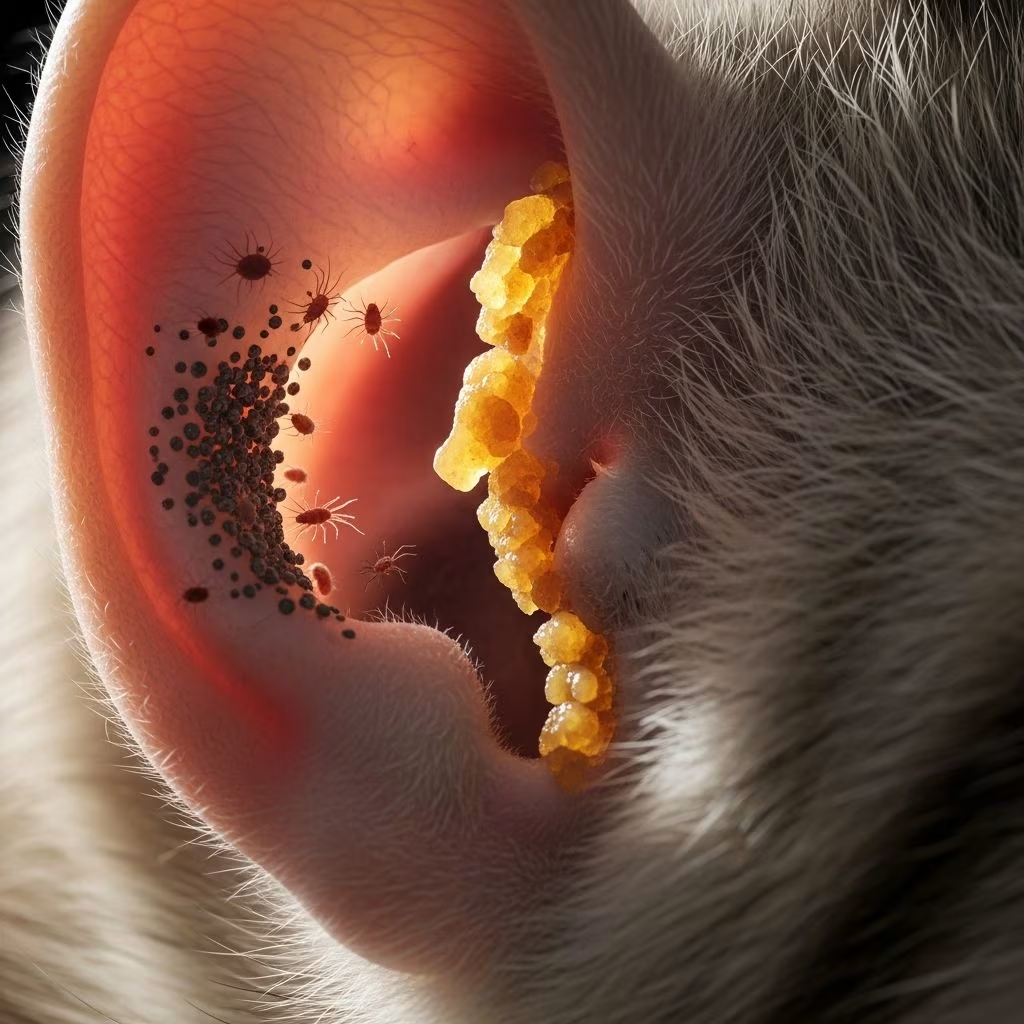
Distinguishing between **cat ear mites** and normal **earwax** is crucial for your feline’s health, as mites require prompt veterinary intervention while excess wax may just need gentle cleaning. Ear mites, caused by the parasite Otodectes cynotis, lead to dark, coffee-ground-like discharge and intense discomfort, whereas healthy earwax is light-colored and odorless.
What Are Cat Ear Mites?
**Cat ear mites** (Otodectes cynotis) are tiny parasites that infest the ear canal, feeding on wax, oils, and skin debris, causing irritation and inflammation. They thrive in warm, moist environments and are highly contagious, spreading easily between cats through direct contact or shared bedding, especially in multi-cat households or among outdoor cats.
These mites are microscopic, measuring about 0.3-0.5 mm, and complete their life cycle in 3 weeks, with females laying eggs that hatch into larvae, nymphs, and adults. Infestations are most common in kittens and young cats under 2 years old, but any cat can be affected.
Symptoms of Ear Mites in Cats
Ear mite infestations produce distinct signs of discomfort. Cats often exhibit:
- **Excessive scratching or rubbing of the ears** against furniture or with paws, leading to hair loss or scabs.
- **Frequent head shaking or tilting**, sometimes violently, due to intense itching.
- **Dark, crumbly discharge** resembling coffee grounds or black dandruff, caused by mite feces, dead skin, and blood.
- **Foul, yeasty odor** from the ears, accompanied by redness, swelling, and inflammation in the canal.
- **Vocalizing in pain**, such as meowing or howling, which is unusual for stoic cats.
In advanced cases, untreated mites cause secondary bacterial or yeast infections, ear hematomas (swollen flaps from blood vessel rupture), aural polyps, or permanent hearing loss.
What Is Earwax in Cats?
**Earwax**, or cerumen, is a natural protective substance produced by glands in the ear canal. It traps dust, bacteria, and debris, with self-cleaning hairs migrating it outward for removal via head shaking. Healthy earwax in cats is pale yellow to light brown, waxy or flaky, and odorless or mildly scented.
Small amounts are normal and beneficial, preventing infections by maintaining an acidic environment hostile to pathogens. Excessive buildup occurs due to allergies, yeast/bacterial overgrowth, foreign bodies, or anatomical issues like narrow canals in certain breeds.
Symptoms of Excessive Earwax Buildup
Unlike mite infestations, excess earwax causes milder symptoms:
- **Mild to occasional head shaking** or scratching, without frenzy.
- **Visible light yellow/brown discharge**, smooth or crumbly but not dark or gritty.
- **Slight odor** if infected, but not pungent.
- **Minimal redness or inflammation** unless secondary infection develops.
Chronic buildup can block the canal, leading to otitis externa (outer ear infection), pain, and balance issues if it reaches the middle ear.
Cat Ear Mites vs Earwax: Key Differences
Telling **ear mites apart from earwax** prevents misdiagnosis. Use this comparison:
| Feature | Ear Mites | Earwax Buildup |
|---|---|---|
| Discharge Appearance | Dark brown/black, dry, coffee grounds-like, gritty | Light yellow/brown, smooth/waxy, pale |
| Odor | Strong, foul, yeasty | Mild or none |
| Behavior | Intense scratching, head shaking, pain vocalization | Mild/occasional discomfort |
| Ear Appearance | Red, swollen, inflamed canal | Pink, minimal inflammation |
| Contagious? | Yes, highly to other cats/dogs | No |
Note: Mites often increase wax production, so they coexist; dark debris with scratching signals mites.
How Does a Vet Diagnose Ear Mites vs Earwax?
Veterinarians perform **otoscopy** (ear exam with an otoscope) to visualize the canal, noting wax type, inflammation, and parasites (mites may be visible crawling).
A **cytology swab** of discharge, examined under microscope, confirms mites (eggs, larvae, adults, feces) vs yeast/bacteria in wax issues. This gold standard distinguishes infections.
Video otoscopy or culture tests aid complex cases. Home checks help but never replace professional diagnosis.
Treating Ear Mites in Cats
**Ear mite treatment** requires prescription meds; OTC remedies are ineffective/toxic. Steps include:
- Ear cleaning: Vet removes debris with cat-safe solution; avoid cotton swabs to prevent damage.
- Topical drops/ointments: Avermectins (ivermectin, selamectin) or isoxazolines kill mites in 1-2 applications, 7-30 days apart.
- Spot-on treatments: Fipronil, imidacloprid (applied to skin) systemically eliminate mites.
- Oral meds: For severe cases or allergies.
- Treat all pets: Even asymptomatic household animals.
Follow-up exams ensure eradication; prevent reinfestation with monthly preventives.
Treating Excessive Earwax in Cats
For **earwax**, address causes:
- Gentle cleaning: Vet-recommended saline/vinegar solutions weekly; massage base, let cat shake, wipe exterior.
- Underlying issues: Antifungals/antibiotics for infections, hypoallergenic diets for food allergies, steroids for inflammation.
- Monitoring: Especially in floppy-eared, long-haired, or senior cats.
Avoid Q-tips/harsh cleaners; they push debris deeper or rupture eardrums.
How to Clean Your Cat’s Ears at Home Safely
Never clean itchy/smelly ears first—see vet.** Otherwise:
- Wet cotton ball/pad with vet-approved cleaner (no alcohol/hydrogen peroxide).
- Gently fill ear canal, massage base 30 seconds.
- Let cat shake head vigorously.
- Wipe outer ear/pinna with dry pad; repeat if needed.
- Reward; do 1-2x weekly max.
Stop if painful; improper cleaning worsens problems.
Preventing Ear Mites and Earwax Issues
Proactive care minimizes risks:
- Monthly parasiticide: Revolution, Frontline for all pets.
- Regular checks: Weekly visual inspections.
- Hygiene: Clean bedding, limit outdoor access.
- Diet/health management: Address allergies, keep ears dry post-bath.
Kittens from shelters/catteries need screening.
When to See a Vet for Your Cat’s Ears
Seek immediate care if:
- Persistent scratching/head shaking >1-2 days.
- Any dark discharge, odor, redness.
- Blood, balance loss, head tilt, hearing changes.
- No improvement post-cleaning.
Early intervention prevents complications like chronic otitis.
Frequently Asked Questions (FAQs)
Can I use olive oil or hydrogen peroxide to treat cat ear mites?
No, these soothe temporarily but don’t kill mites and may cause infections or toxicity. Use vet prescriptions only.
Are ear mites contagious to humans or dogs?
No to humans; yes to dogs, ferrets via contact.
How long do cat ear mites take to go away with treatment?
Typically 2-4 weeks with proper meds and cleaning.
Is dark earwax always ear mites?
Often yes, but yeast/bacteria can mimic; vet confirmation needed.
Can indoor cats get ear mites?
Yes, via other pets, fleas, or breeders.
References
- Cat Ear Mites vs Wax: Understanding the Differences — Uahpet. 2024-05-15. https://www.uahpet.com/blogs/hydration-health/cat-ear-mites-vs-wax-understanding-the-differences
- Cat Ear Mites vs Wax: Key Differences and Care Tips — Celsius Herbs. 2024-03-20. https://celsiusherbs.com/blogs/pet-health/cat-ear-mites-vs-wax
- Cat Ear Mites vs Wax: How to Tell the Difference — PrettyLitter. 2024-08-10. https://www.prettylitter.com/blog/cat-ear-mites-vs-wax-how-to-tell-the-difference
- Ear Mites in Cats: Symptoms, Causes, Treatment & More — UrgentVet. 2025-01-05. https://urgentvet.com/ear-mites-in-cats-otodectes-signs-symptoms-treatment/
- Ear Mites in Cats: Signs, Causes and Next Steps — Hill’s Pet Nutrition. 2024-11-12. https://www.hillspet.com/cat-care/routine-care/ear-mites-in-cats
- Cat Ear Mites vs Earwax: Vet-Reviewed Ways to Tell the Difference — Catster. 2025-06-18. https://www.catster.com/cat-health-care/cat-ear-mites-vs-earwax/



