

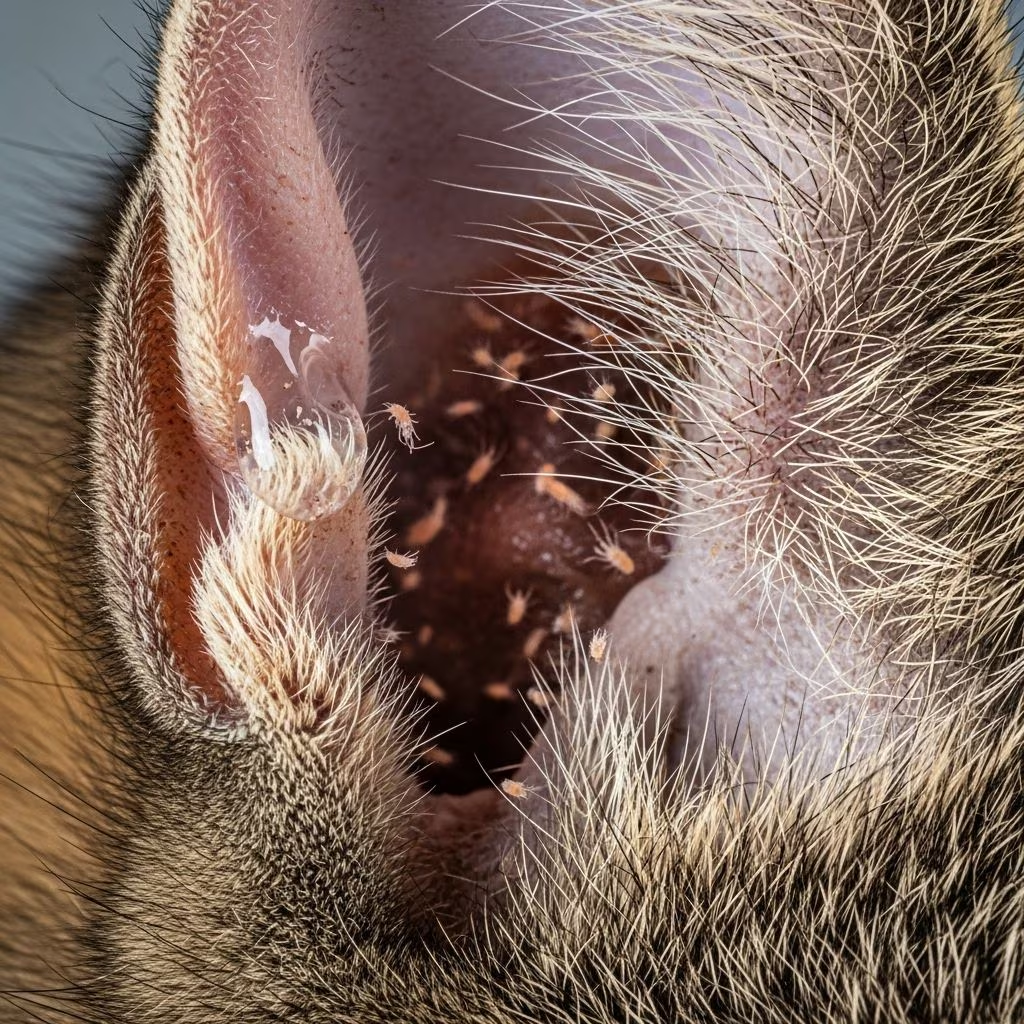
Ear mites represent one of the most common parasitic issues affecting cats, causing significant discomfort through intense itching, dark discharge, and potential secondary infections. These tiny arachnids, known scientifically as Otodectes cynotis, thrive in the warm environment of a cat’s ear canal, feeding on ear wax and oils while laying eggs that perpetuate the infestation. Prompt identification and treatment using targeted insecticides are crucial to alleviate symptoms and prevent long-term ear damage. This comprehensive guide explores insecticide-based therapies, drawing from veterinary recommendations to empower cat owners with actionable knowledge.
Recognizing the Signs of Ear Mite Infestation
Early detection hinges on observing behavioral and physical changes in your cat. Frequent head shaking or tilting indicates irritation, often accompanied by vigorous scratching at the ears that can lead to hair loss or scabs. A hallmark symptom is the presence of coffee-ground-like debris in the ear canal, resulting from mite waste and dried blood. In advanced cases, foul odors or signs of pain, such as sensitivity to touch, emerge. Kittens and young cats are particularly susceptible, but any cat, especially those in multi-pet households or shelters, can be affected.
- Visual cues: Black, crumbly wax resembling ground coffee.
- Behavioral indicators: Excessive grooming, restlessness, or avoidance of ear handling.
- Audible signs: Scratching noises or yelps during manipulation.
While home observation provides initial clues, professional veterinary diagnosis via microscopic examination of ear swab samples confirms the presence of mites, ruling out similar conditions like yeast infections or allergies.
How Ear Mites Spread and Why Household Treatment Matters
Ear mites transmit easily through direct contact between cats, or indirectly via shared bedding, grooming tools, or even human clothing. Dogs and ferrets can also harbor these parasites, making them vectors in mixed-species homes. A single infested pet can rapidly infect others, underscoring the need for comprehensive treatment. Veterinary protocols emphasize treating all in-contact animals, regardless of symptoms, to break the cycle of reinfestation.
Environmental contamination persists as mites survive off-host for days in cool, dark areas. Vacuuming bedding, washing fabrics in hot water, and disinfecting surfaces reduce risk. Isolation of the affected cat during initial treatment minimizes spread.
Primary Insecticide Treatment Options for Cats
Veterinarians prioritize insecticides proven safe and effective for feline use. These target the mites’ nervous system, causing paralysis and death, while minimizing toxicity to the host. Selection depends on infestation severity, cat temperament, and concurrent health issues.
Topical Ear Drops: Direct and Potent Delivery
Direct application into the ear canal ensures high concentrations at the infestation site. Milbemycin and ivermectin-based drops kill mites on contact and disrupt their life cycle. Daily administration for 7-10 days, paired with cleaning, yields rapid results. For cats with inflamed ears, combination formulas include antibiotics and steroids to address secondary issues.
| Treatment Type | Active Ingredient | Application Frequency | Pros | Cons |
|---|---|---|---|---|
| Ear Drops | Milbemycin, Ivermectin | Daily for 7-14 days | Targeted action, fast relief | Requires ear cleaning, cat cooperation |
| Spot-Ons | Selamectin, Moxidectin | Single or monthly dose | Easy systemic protection | May take 24-48 hours for effect |
Spot-On Preventatives: Convenient Systemic Protection
Products like Revolution (selamectin) or Advantage Multi (moxidectin/imidacloprid) absorb through the skin at the shoulder blades, distributing via bloodstream to kill mites. A single dose often suffices, offering bonus protection against fleas, ticks, and heartworms. Ideal for hard-to-handle cats or multi-parasite prevention.
Injectable Therapies for Challenging Cases
Ivermectin injections provide a hands-off alternative for cats resisting topical treatments or with severe otitis. Administered by vets, it achieves quick mite elimination but requires monitoring for rare neurological side effects in sensitive breeds like Collies (though less common in cats).
Step-by-Step Home Treatment Protocol
Effective management combines veterinary prescription with diligent home care. Always consult a vet before starting.
- Gather supplies: Vet-prescribed insecticide, gentle ear cleaner (e.g., Epi-Otic), cotton balls, gloves.
- Clean ears: Fill canal with cleaner, massage base for 30 seconds, wipe excess with cotton (never insert deep).
- Apply medication: Instill drops per instructions, massage again, allow head shaking to distribute.
- Repeat daily: Clean and medicate as directed, typically 7-14 days.
- Treat household pets: Use appropriate preventatives simultaneously.
Monitor for improvement within 2-3 days; full clearance takes 2-4 weeks as eggs hatch.
Addressing Secondary Complications
Mite irritation often invites bacterial or yeast overgrowth, worsening inflammation. Vets may add topical antibiotics (e.g., for Staphylococcus) or oral steroids like prednisolone for swelling. Untreated, this progresses to chronic otitis externa, potentially eroding ear drums.
Over-the-Counter vs. Prescription: What to Choose
OTC options like pyrethrin-based drops (e.g., PetArmor) offer convenience but pose risks—cats metabolize pyrethrins poorly, risking toxicity like tremors or salivation. Veterinary prescriptions ensure safety and efficacy. Natural alternatives like diluted apple cider vinegar lack robust evidence and may irritate.
- Recommended OTC cleaners: Salicylic acid-based for debris removal.
- Avoid: Alcohol, peroxide, or unvetted insecticides.
Prevention Strategies for a Mite-Free Home
Post-treatment vigilance prevents recurrence. Monthly spot-ons provide ongoing defense. Routine ear checks during grooming catch issues early. Quarantine new pets for 2 weeks, and maintain hygiene in catteries or fosters.
When to Seek Urgent Veterinary Care
Escalate if symptoms persist post-treatment, blood appears in discharge, balance issues develop, or head tilt worsens—these signal deeper infection or neurological involvement. Recheck exams 2-4 weeks post-therapy confirm eradication.
FAQs on Cat Ear Mite Insecticide Treatments
Can I use dog ear mite products on cats?
No—many contain toxic concentrations for felines. Always select cat-specific formulas.
How long do ear mites live without a host?
Up to 4 days, emphasizing environmental cleaning.
Is Revolution safe for kittens?
Yes, from 8 weeks old, per vet guidance.
What if my cat hates ear drops?
Opt for spot-ons or injections; discuss with your vet.
Do indoor cats get ear mites?
Yes, via other pets or visitors.
References
- Ear Mites in Cats | PetMD — PetMD. 2023. https://www.petmd.com/cat/conditions/infectious-parasitic/ear-mites-cats
- Ear Mites In Cats | Bright Vet — Bright Vet. 2023. https://www.bright.vet/a/ear-mites-in-cats
- The 7 Best Ear Mite Treatments for Cats — Cats.com. 2023. https://cats.com/best-ear-mite-treatment-for-cats
- Ear Mites in Cats: Causes, Signs, and Treatment — Long Beach Animal Hospital. 2023. https://lbah.com/feline/ear-mites/
- Ear mites in cats | Treatment & symptoms – Blue Cross — Blue Cross. 2023. https://www.bluecross.org.uk/advice/cat/health-and-injuries/ear-mites-in-cats
- Ear Mites (Otodectes) in Cats and Dogs — VCA Animal Hospitals. 2023. https://vcahospitals.com/know-your-pet/ear-mites-otodectes-in-cats-and-dogs



