

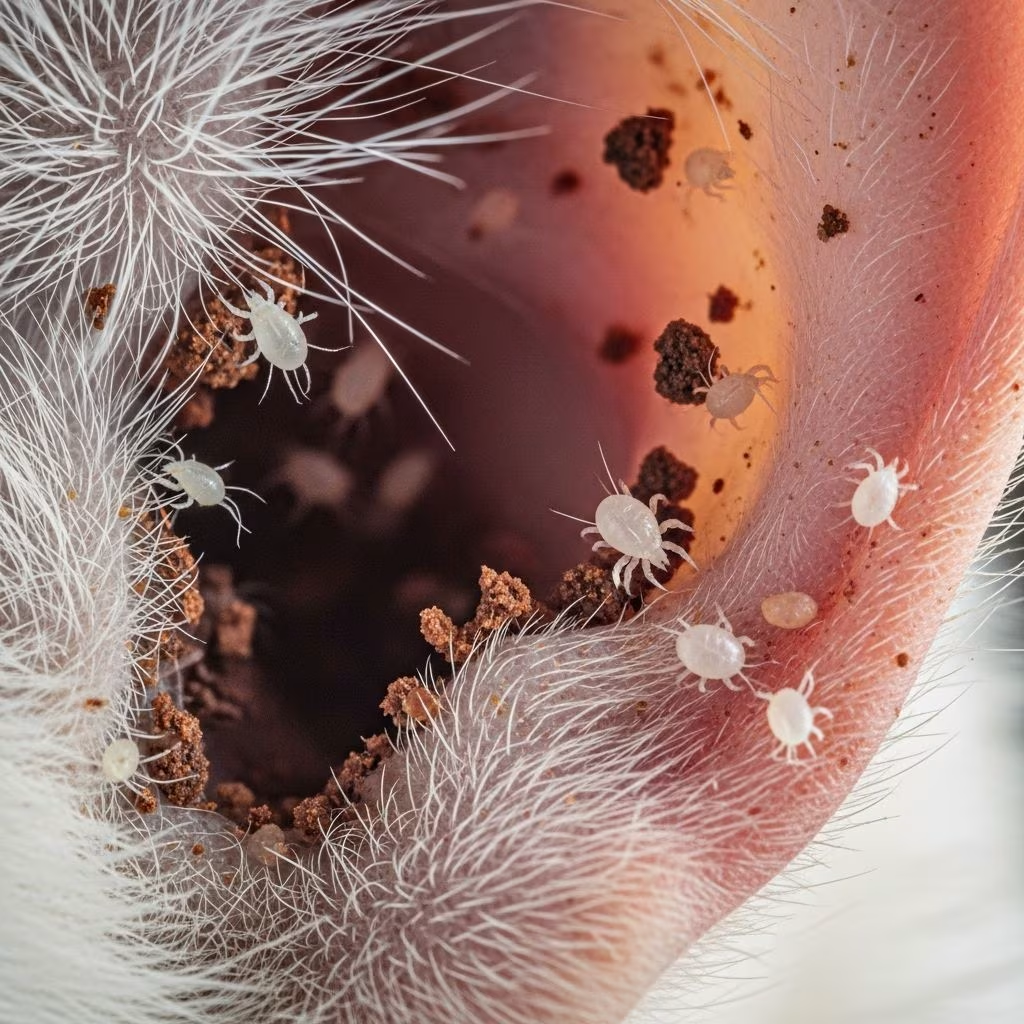
Ear mites represent one of the most frequent parasitic issues affecting cats, causing discomfort and potential complications if ignored. These tiny invaders, primarily Otodectes cynotis, thrive in the warm ear canals, feeding on wax and oils while triggering intense irritation. Understanding this condition empowers cat owners to act swiftly, safeguarding their pet’s well-being.
Understanding the Nature of Ear Mites
Ear mites are microscopic parasites that specifically target the ear canals of cats, dogs, and ferrets, though felines are particularly susceptible. Unlike fleas or ticks, these mites reside deep within the ear, burrowing into the skin and laying eggs in the accumulated debris. A single infested cat can harbor thousands, rapidly multiplying without intervention. Their life cycle—from egg to adult—completes in about three weeks, making consistent treatment essential to break the chain.
These parasites do not discriminate by age or breed; however, kittens, outdoor cats, and those in multi-pet households face higher risks due to close contact. The mites’ presence disrupts the ear’s natural balance, leading to inflammation that can escalate into bacterial or yeast overgrowth if unchecked.
Recognizing the Signs of Infestation
Early detection hinges on observing behavioral and physical changes. Cats with ear mites often display a cluster of telltale symptoms that intensify over time.
- Intense head shaking: Cats vigorously shake their heads to dislodge the irritants, sometimes to the point of imbalance.
- Persistent scratching: Rubbing ears against furniture or with paws creates raw, scabbed areas around the head and neck.
- Dark, crumbly discharge: A hallmark sign is black or brown waxy buildup resembling coffee grounds, caused by mite waste and blood.
- Foul odor: Infected ears emit a yeasty or pungent smell from secondary infections.
- Ear sensitivity: Cats may flatten ears, tilt heads, or resist touch near the head due to pain.
- Hair loss and crusting: Surrounding skin becomes inflamed, leading to bald patches or scabs on the face and ears.
- Systemic effects: Severe cases cause lethargy, appetite loss, or balance issues from inner ear involvement.
These symptoms mimic other ear problems like allergies or infections, underscoring the need for professional diagnosis.
How Ear Mites Spread Among Cats
Transmission occurs primarily through direct contact. Infested cats pass mites during grooming, nursing, or play, especially in colonies or shelters. Kittens acquire them from mothers, while outdoor cats pick them up from strays or wildlife. Shared bedding, brushes, or environments facilitate spread to other pets, though humans rarely serve as vectors.
Once inside the ear canal, mites feed voraciously, secreting enzymes that inflame tissues. This hypersensitivity reaction amplifies itching, prompting self-trauma that opens doors to opportunistic bacteria.
Diagnosing Ear Mites Accurately
Veterinarians confirm ear mites via simple microscopy. After gentle cleaning, a swab of ear debris is examined under a microscope, revealing the mites’ pear-shaped bodies, legs, and eggs against a backdrop of debris. This distinguishes mites from yeast (rod-shaped) or bacteria.
In complex cases, additional tests like cytology or cultures rule out concurrent issues. Early diagnosis prevents progression to chronic otitis, where thickened ear canals resist treatment.
Effective Treatment Strategies
Treatment combines parasite elimination, inflammation control, and infection management. Protocols vary by severity but typically span 2-4 weeks.
Cleaning the Ears
Initial thorough cleaning removes debris, allowing medications to penetrate. Vets use specialized solutions; at home, owners follow with vet-approved cleaners, massaging the base to loosen buildup before wiping gently.
Topical Medications
Drops containing acaricides (mite-killers), anti-inflammatories, and antibiotics target all aspects. Applied daily for 7-10 days, they soothe while eradicating parasites. Common ingredients include pyrethrins or avermectins.
Systemic Options
For resistant cases or cleaning-averse cats, injectables like ivermectin or oral/topical selamectin, moxidectin, or milbemycin provide full-body protection. These kill mites systemically, ideal for multi-pet homes.
Addressing Complications
Secondary infections demand antibiotics or antifungals. Wound care for scratches prevents abscesses. All household pets require concurrent treatment to avert reinfestation.
| Treatment Type | Examples | Duration | Best For |
|---|---|---|---|
| Topical Drops | Acaricide + Antibiotic | 7-14 days | Mild cases |
| Injectable | Ivermectin | 1-2 doses | Severe or sensitive ears |
| Spot-on | Selamectin, Moxidectin | Monthly | Prevention + Treatment |
Step-by-Step Home Care During Treatment
- Gather vet-prescribed cleaner and cotton balls (no Q-tips).
- Warm solution to body temperature.
- Massage ear base for 30 seconds to loosen debris.
- Let cat shake out excess; wipe outer canal gently.
- Apply medication as directed, massaging again.
- Repeat daily, monitoring for improvement.
Avoid over-cleaning to prevent further irritation. Re-check with vet after treatment.
Preventing Future Ear Mite Infestations
Proactive measures minimize risks:
- Keep cats indoors: Limits exposure to strays.
- Regular parasite control: Use broad-spectrum preventives covering mites, fleas, ticks.
- Quarantine new pets: Observe 2 weeks before integration.
- Clean environment: Wash bedding weekly in hot water.
- Routine ear checks: Inspect monthly for early signs.
Monthly spot-ons like those with selamectin offer ongoing protection, simplifying care.
When to Seek Urgent Veterinary Help
Consult a vet immediately if symptoms persist post-treatment, ears bleed, cat shows neurological signs (circling, seizures), or discharge worsens. Untreated mites can scar eardrums or cause hematomas.
Frequently Asked Questions (FAQs)
Can humans catch ear mites from cats?
No, ear mites are species-specific and do not infest humans, though temporary itching from contact is possible.
How long do ear mites last without treatment?
Untreated, infestations persist indefinitely, worsening with secondary issues.
Are over-the-counter ear mite treatments safe?
No; many are toxic to cats. Always use vet-prescribed products.
Do all cats with dark ear wax have mites?
Not necessarily; yeast or bacteria cause similar discharge—vet confirmation is key.
Can ear mites affect a cat’s hearing?
Chronic inflammation may impair hearing temporarily until resolved.
Long-Term Ear Health for Cats
Beyond mites, maintain ear health with balanced diet, allergy management, and annual vet exams. Breeds like Siamese or Sphynx with open ears warrant extra vigilance. Educated owners foster resilient pets, catching issues early.
This guide equips you to handle ear mites effectively, ensuring your cat enjoys itch-free comfort. Prioritize veterinary guidance for tailored care.
References
- Ear Mites in Cats: Causes, Signs, and Treatment — Long Beach Animal Hospital. Accessed 2026. https://lbah.com/feline/ear-mites/
- Ear Mites In Cats | Symptoms & Treatment — NexGard SPECTRA. Accessed 2026. https://nexgard.com.au/cat-parasites/mites/ear-mites-in-cats
- Preventing and Treating Ear Mites in Cats — Warrick Veterinary Clinic. Accessed 2026. https://warrickvet.com/blog/ear-mites-in-cats/
- What to Know About Ear Mites in Cats — Vetster. Accessed 2026. https://vetster.com/en/wellness/what-to-know-about-ear-mites-in-cats
- Ear Mites in Cats — Small Door Veterinary. Accessed 2026. https://www.smalldoorvet.com/learning-center/medical/ear-mites-in-cats



