

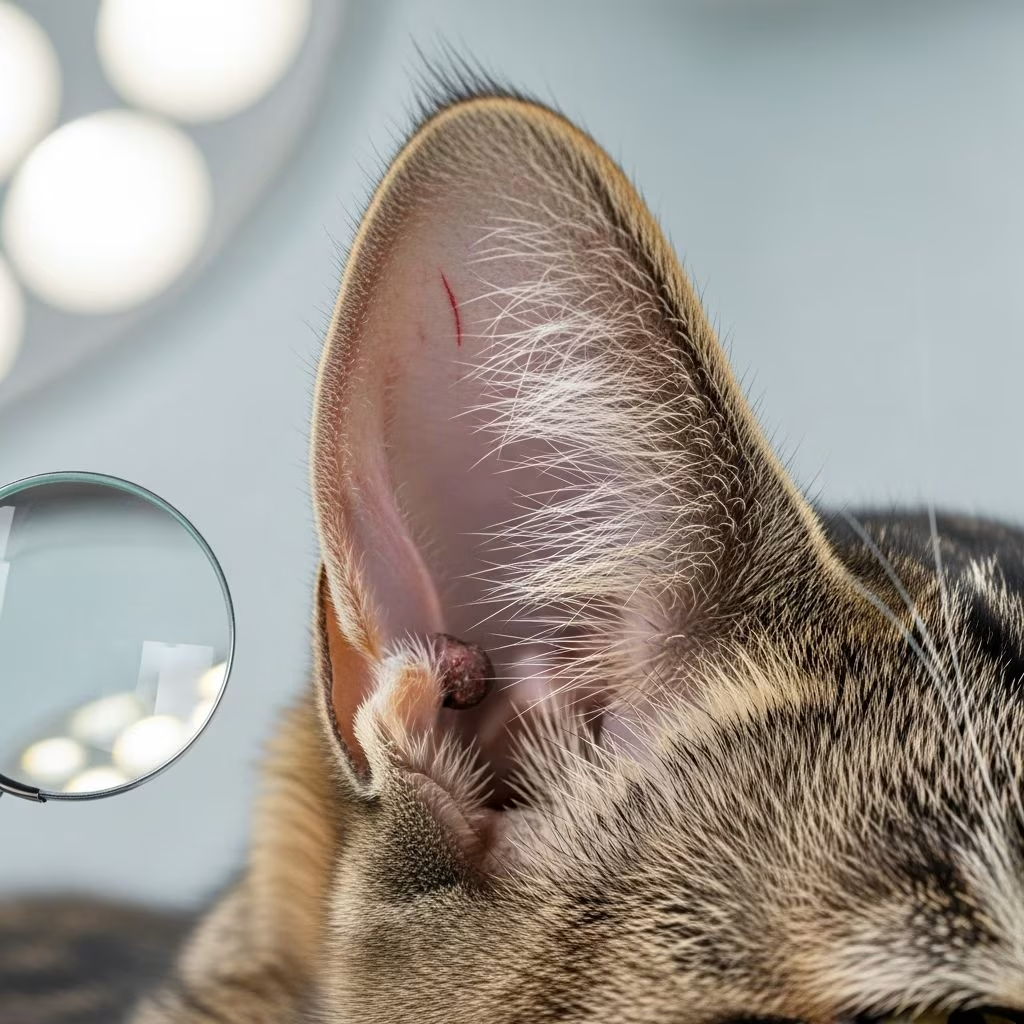
Ear problems affect many cats, leading to discomfort and potential complications if ignored. Early detection through observing behaviors like head shaking or excessive scratching allows for timely intervention, often resolving issues effectively with veterinary guidance.
Recognizing Signs of Ear Distress in Cats
Cats communicate discomfort subtly, but ear troubles manifest in noticeable ways. Owners should routinely check ears during grooming for abnormalities. Key indicators include vigorous head shaking, persistent scratching at the ears or head, and rubbing against surfaces. Affected ears often appear red, swollen, or warmer than usual, with a foul odor or unusual discharge signaling infection or infestation.
- Dark brown, coffee-ground-like, or yellowish discharge from the canal
- Buildup of excessive dark wax
- Crusting, scabs, or hair loss around the ears
- Head tilting to one side or balance issues
- Sensitivity when touching the ear area, causing flinching or aggression
- Swollen ear flaps, known as aural hematomas, filled with fluid
- Hearing changes, such as unresponsiveness to sounds
- Behavioral shifts like reduced appetite, lethargy, or irritability
These symptoms can affect one or both ears and may worsen over time, potentially leading to chronic conditions if untreated.
Primary Causes Behind Feline Ear Conditions
Ear issues in cats stem from various sources, ranging from infections to structural abnormalities. Understanding the root cause is crucial for targeted treatment.
Bacterial and Yeast Infections
Bacterial overgrowth or yeast proliferation, often secondary to moisture, allergies, or poor ear hygiene, causes otitis externa—inflammation of the outer ear canal. This leads to painful, itchy ears with heavy discharge.
Parasitic Infestations
Ear mites (Otodectes cynotis) are highly contagious, especially among cats in multi-pet homes. They provoke intense itching and dark, crumbly debris resembling coffee grounds.
Allergies and Skin Disorders
Food sensitivities, environmental allergens, or flea bites trigger allergic reactions affecting the ears, causing chronic inflammation and secondary infections.
Foreign Objects and Trauma
Grass seeds, foxtails, or plant material can lodge in the canal, irritating tissues and inviting infection. Trauma from fights or scratches may also contribute.
Polyps, Tumors, and Structural Issues
Inflammatory polyps, benign growths in young cats, obstruct the canal and recur without surgery. Rarely, tumors or narrow canals exacerbate problems.
Aural Hematomas and Cartilage Inflammation
Repeated shaking ruptures blood vessels in the ear flap, forming fluid-filled swellings. Auricular chondritis, inflammation of ear cartilage, causes pain and deformity.
Multiple factors often interplay, such as allergies predisposing to infections.
Professional Diagnosis Methods
Veterinarians employ thorough exams to pinpoint issues. A visual inspection with an otoscope reveals canal conditions, inflammation, or masses. Swabs of discharge undergo lab analysis for bacteria, yeast, or mites via cytology or culture, ensuring precise antibiotic selection to combat resistance.
Sedation facilitates deep cleaning or foreign body removal, protecting the eardrum. Imaging like X-rays or CT scans assesses deeper involvement in chronic cases. Biopsies confirm polyps or tumors.
Treatment Approaches for Ear Ailments
Treatment varies by diagnosis but prioritizes pain relief, infection control, and underlying cause resolution.
| Condition | Common Treatments |
|---|---|
| Bacterial/Yeast Infections | Topical or oral antibiotics/antifungals, anti-inflammatories, ear cleaning |
| Ear Mites | Parasiticides like selamectin or ivermectin drops |
| Allergies | Hypoallergenic diets, antihistamines, immunotherapy |
| Aural Hematomas | Drainage, surgery to prevent recurrence |
| Polyps/Masses | Surgical removal under anesthesia |
Pain management includes analgesics or cold laser therapy to reduce swelling[10]. Chronic cases may require canal surgery like total ear canal ablation (TECA) for irreversible damage.
Home Care Strategies and Cleaning Tips
Support vet-prescribed treatments with gentle home care. Use vet-approved cleaners to remove wax—never insert objects like cotton swabs, risking eardrum damage. Apply drops by lifting the ear flap, squeezing into the canal, and massaging the base for 30 seconds to distribute medication.
- Monitor for improvement within 7-10 days; worsening warrants recheck
- Prevent licking via e-collars if needed
- Maintain dryness post-swimming or bathing
Avoid over-cleaning healthy ears, as natural wax protects against bacteria.
Preventive Measures for Optimal Ear Health
Proactive steps minimize risks. Perform weekly ear checks, gently wiping visible debris with a soft cloth. Routine parasite preventives control mites and fleas. Manage allergies through diet trials or environmental controls. Keep cats indoors to avoid trauma and foreign bodies.
Breeds like Persians with folded ears (e.g., Scottish Folds) need extra vigilance due to conformation predisposing to infections. Vaccinations and wellness exams catch issues early.
When to Seek Urgent Veterinary Help
Act immediately if observing head tilt, balance loss, facial drooping, eye abnormalities, or non-responsiveness—these suggest middle/inner ear spread, risking permanent damage like hearing loss or paralysis. Profuse bleeding, deep wounds, or no improvement after treatment also demand prompt care.
Frequently Asked Questions (FAQs)
Can cat ear problems resolve without vet treatment?
Mild cases might improve with cleaning, but most require professional diagnosis to prevent chronicity.
Are ear mites dangerous for humans?
No, they primarily affect cats and dogs, though visible in heavy infestations.
How long do ear infection treatments take?
Typically 2-4 weeks, with follow-ups ensuring clearance.
Do all cats with allergies get ear issues?
Not all, but ears are common sites for flare-ups.
Is surgery common for cat ear problems?
Rarely for simple cases; reserved for polyps, hematomas, or chronic narrowing.
Long-Term Management of Recurrent Issues
Cats prone to repeats benefit from allergy testing, hypoallergenic foods, and regular vet monitoring. Track symptoms in a journal to identify triggers. Advanced therapies like laser reduce inflammation without drugs[10].
Maintaining ear health enhances quality of life, preventing pain and complications.
References
- Ear Problems in Cats: Common Symptoms and Treatments — FirstVet. 2023. https://firstvet.com/us/articles/common-ear-problems-in-cats
- Ear Infections in Cats: Symptoms, Causes & Treatment — UrgentVet. 2023. https://urgentvet.com/ear-infections-in-cats-otitis-externa/
- The Most Common Ear Problems Cats Can Have — VetDERM Clinic. 2023. https://www.vetdermclinic.com/the-most-common-ear-problems-cats-can-have/
- Symptoms Cat Ear Infection — Carolina Veterinary Hospital. 2023-06-30. https://www.huntersville.carolinavet.com/site/huntersville-veterinary-blog/2023/06/30/symptoms-cat-ear-infection
- Cat Ear Infections — PetMD. 2023. https://www.petmd.com/cat/conditions/ears/cat-ear-infections



