

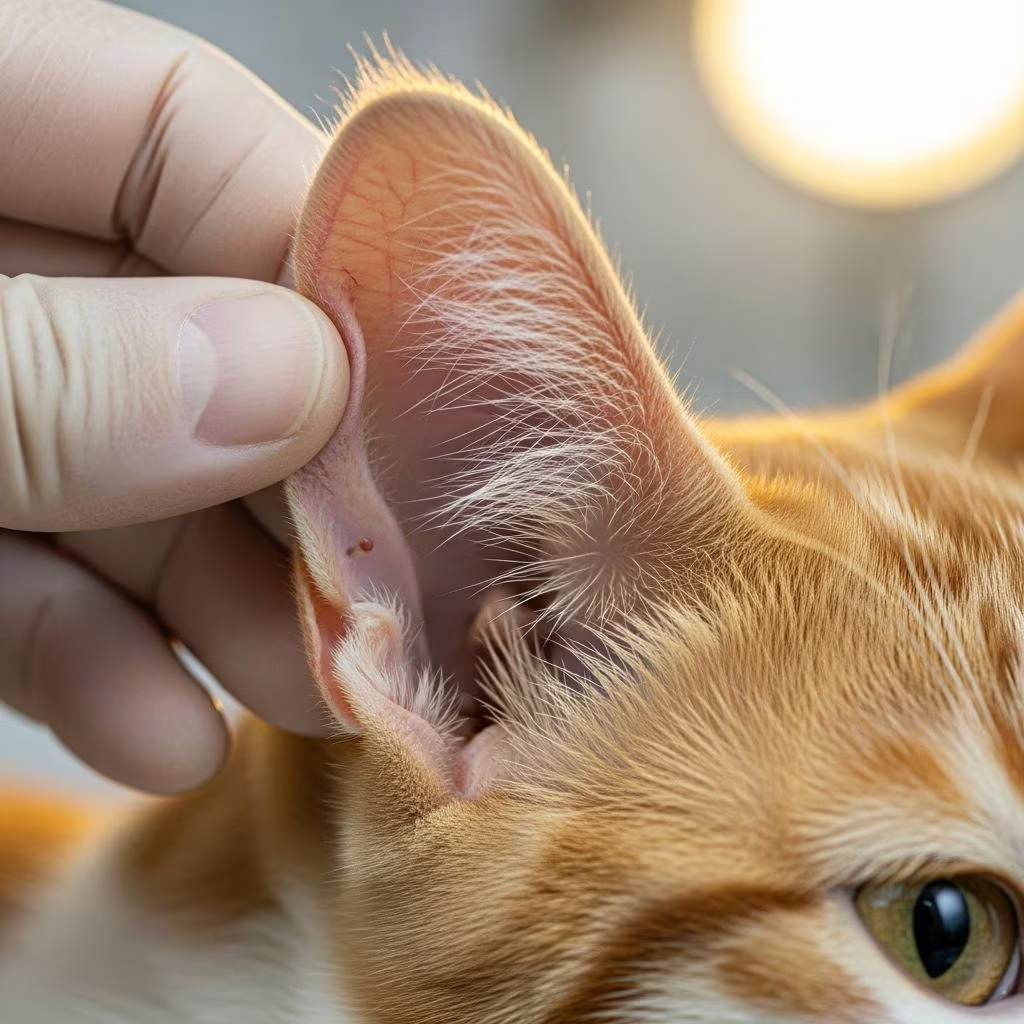
Ear infections represent a frequent health challenge for cats, impacting their comfort and well-being if not managed promptly. These conditions, medically termed otitis, can affect the outer, middle, or inner ear, often stemming from parasites, bacteria, yeast, or allergies. Early detection through observable behaviors like excessive head shaking or pawing at the ears allows for swift intervention, minimizing complications such as chronic pain or hearing impairment.
Understanding the Anatomy of a Cat’s Ear
A cat’s ear consists of three primary sections: the outer ear (pinna and canal), middle ear (with the eardrum), and inner ear (responsible for balance and hearing). The L-shaped canal traps debris, making it prone to buildup and infection. Unlike dogs, cats have sensitive ear structures that can lead to rapid progression from outer to inner ear issues if untreated.
The outer ear’s vertical then horizontal canal design promotes moisture retention, fostering bacterial or yeast growth. The middle ear houses ossicles for sound transmission, while the inner ear’s vestibular system maintains equilibrium. Disruptions here cause disorientation, a hallmark of advanced infections.
Common Indicators of Ear Infections in Cats
Owners often notice behavioral changes first. Cats may shake their heads vigorously, tilt it persistently, or scratch relentlessly at one or both ears. Visible signs include darkened, waxy discharge, foul odors, redness, swelling, or crusting on the pinna.
- Head shaking or tilting: Indicates irritation or balance disruption.
- Excessive scratching or pawing: Suggests intense itching from mites or inflammation.
- Discharge and odor: Brown, black, or yellow exudate with a yeasty or pungent smell signals infection.
- Redness and swelling: Pinna may appear hot, thickened, or ulcerated.
- Pain response: Cats flinch or vocalize when ears are touched.
- Balance problems: Circling, falling, or rapid eye movements (nystagmus) in severe cases.
These symptoms can mimic other issues like allergies, warranting a veterinary exam for confirmation.
Root Causes Behind Feline Ear Problems
Ear infections rarely occur in isolation; they often result from predisposing factors leading to secondary invasions by pathogens. Parasites top the list, particularly ear mites (Otodectes cynotis), common in kittens and multi-cat homes.
| Cause Category | Examples | Prevalence |
|---|---|---|
| Parasitic | Ear mites | High in young cats |
| Bacterial/Yeast | Staphylococcus, Malassezia | Secondary to moisture/allergies |
| Allergic | Food, environmental (pollen) | Common in breeds like Siamese |
| Anatomical | Narrow canals, polyps, tumors | Chronic cases |
| Systemic | FIV/FeLV, diabetes, hypothyroidism | Immune-compromised cats |
| Trauma/Other | Foreign objects, improper cleaning | Occasional |
Allergies trigger inflammation, creating a moist environment for overgrowth. Immune disorders like FIV exacerbate susceptibility. Foreign bodies such as grass awns or excessive wax buildup obstruct airflow, promoting infection. Polyps or tumors narrow canals, leading to recurrent issues.
Diagnostic Process at the Vet Clinic
Veterinarians start with a thorough history and otoscopic exam to visualize the canal and eardrum. Swabs of debris undergo cytology—microscopic analysis revealing mites, bacteria, or yeast. Culture tests identify specific pathogens for targeted therapy.
Imaging like radiographs or CT scans assess middle/inner ear involvement or masses. Allergy testing or elimination diets pinpoint hypersensitivity. Bloodwork rules out systemic diseases. Sedation may be needed for painful or deep examinations.
Treatment Strategies for Effective Recovery
Tailored protocols address the root cause while managing symptoms. Parasitic infestations receive topical antiparasitics like selamectin (Revolution), applied to the skin or directly in the ear.
Bacterial/yeast infections demand combination ear drops containing antibiotics (e.g., enrofloxacin), antifungals (e.g., clotrimazole), and steroids (e.g., mometasone) like Tresaderm or Otomax. These are administered 1-2 times daily for 7-14 days, with owners massaging the base to distribute medication.
- Cleaning: Vet-performed initially to remove debris; home cleaning with prescribed solutions follows.
- Pain relief: NSAIDs like meloxicam (Onsior) or steroids like prednisolone for inflammation.
- Systemic meds: Oral antibiotics (amoxicillin-clavulanate, cefpodoxime) for severe/recurrent cases, minimum 6-8 weeks.
- Advanced therapies: Cold laser for pain, surgery for polyps/tumors (e.g., bulla osteotomy).
Hospitalization with IV fluids treats inner ear infections causing nausea or dehydration. Follow-up exams ensure resolution.
Step-by-Step Home Care Instructions
Post-vet care hinges on compliance. Clean ears gently with vet-approved cleaners before applying drops: lift the pinna, fill the canal, massage for 30 seconds, allowing the cat to shake out excess.
- Gather supplies: Cleaner, drops, cotton balls (no Q-tips).
- Secure cat calmly; have a helper if needed.
- Fill canal, massage base vigorously.
- Wipe outer ear; prevent licking with an e-collar if necessary.
- Monitor daily for worsening signs; report to vet.
Avoid home remedies like vinegar, peroxide, or alcohol, which irritate and worsen damage.
Managing Chronic and Recurrent Infections
Persistent cases signal underlying issues like allergies or anatomical defects. Hypoallergenic diets or apoquel for environmental triggers help. Chronic inflammation thickens canals, requiring long-term meds or surgery to widen them (total ear canal ablation).
Immune-suppressed cats (FIV+) need vigilant monitoring. Recurrence drops with addressing primaries: flea control prevents mites, regular grooming reduces debris.
Preventive Measures for Healthy Ears
Proactive routines curb infections. Weekly ear checks catch issues early. Routine grooming removes wax; monthly vet cleanings for prone cats.
- Flea/mite preventives year-round.
- Hypoallergenic diets for allergy suspects.
- Avoid water in ears during baths/swimming.
- Humidifiers for dry-air irritation.
- Annual wellness exams with cytology.
Breeds like Persians with hairy canals benefit from professional plucking.
When to Seek Emergency Veterinary Care
Rush to the ER for sudden balance loss, facial droop, seizures, or bloody discharge—these indicate inner ear extension risking permanent damage. Inability to eat due to nausea demands fluids.
Frequently Asked Questions (FAQs)
Can cat ear infections resolve without treatment?
No, untreated infections progress, causing pain, rupture, or neurological issues.
Are ear mites contagious to humans?
Rarely; good hygiene suffices.
How long do treatments take?
1-2 weeks for mild cases; months for chronic.
Can I use dog ear drops on cats?
Never—toxicity risk; vet-prescribe only.
Do indoor cats get ear infections?
Yes, from mites, allergies, or genetics.
Long-Term Outlook and Prognosis
With prompt care, most cats recover fully. Chronic cases managed well maintain quality of life. Hearing loss is rare but possible in neglected inner ear disease. Regular vet partnerships prevent escalation.
References
- Cat Ear Infection: Symptoms, Causes, and Treatment — PetMD. 2023. https://www.petmd.com/cat/conditions/ears/cat-ear-infections
- Inner Ear Infection (Otitis Interna) in Cats — VCA Animal Hospitals. 2023. https://vcahospitals.com/know-your-pet/inner-ear-infection-otitis-interna-in-cats
- Otitis Externa in Cats — Merck Veterinary Manual. 2023. https://www.merckvetmanual.com/cat-owners/ear-disorders-of-cats/otitis-externa-in-cats
- Feline Ear Disorders — Cornell University College of Veterinary Medicine. 2023. https://www.vet.cornell.edu/departments-centers-and-institutes/cornell-feline-health-center/health-information/feline-health-topics/feline-ear-disorders
- Signs & Treatment of Ear Infection in Cats — Cat Clinic of Seattle. 2024-06-15. https://www.catclinicofseattle.com/site/blog/2024/06/15/signs-treatment-ear-infection-cats



