
Cat Ear Infections Guide
Recognize symptoms, uncover causes, and master treatments for cat ear infections to keep your feline friend comfortable and healthy.
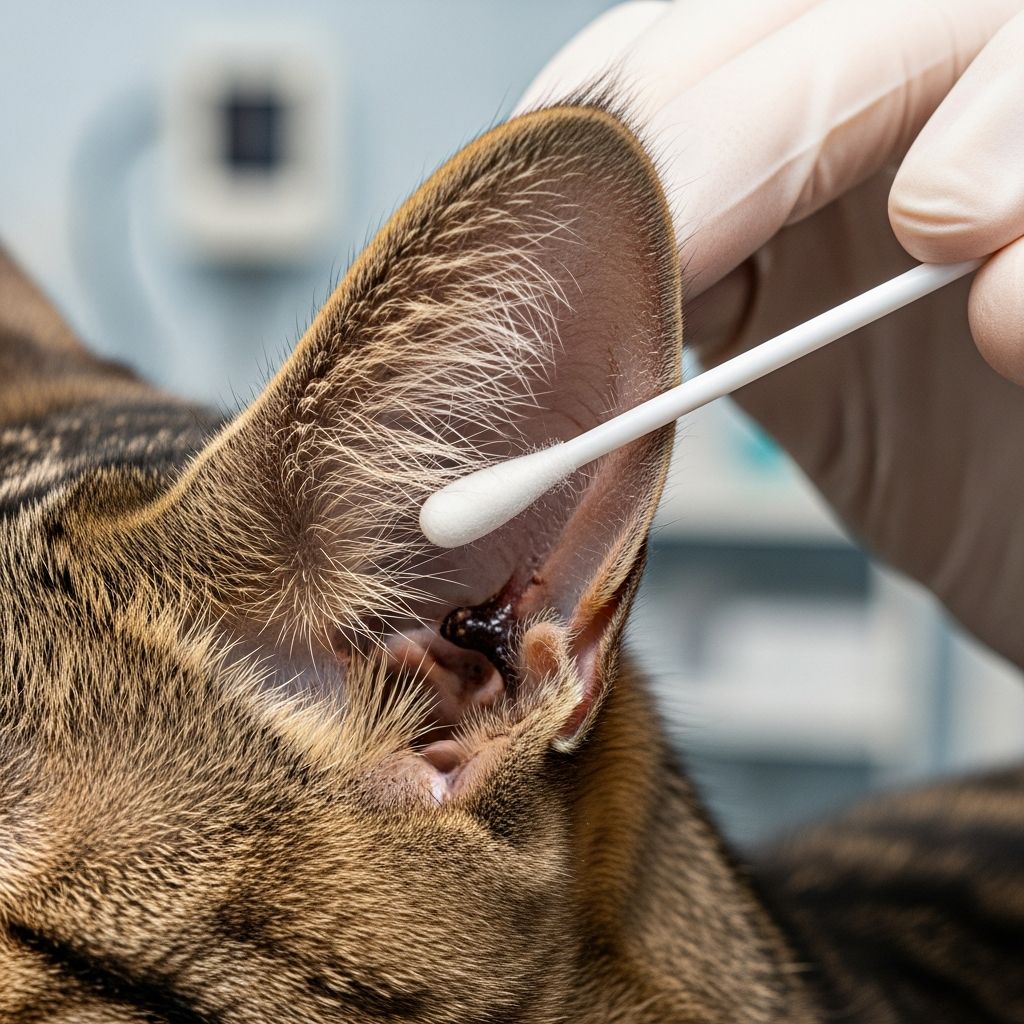
Ear infections represent a frequent health challenge for cats, often stemming from parasites, allergies, or structural issues that foster bacterial or yeast overgrowth. Prompt recognition and intervention prevent escalation to chronic conditions affecting hearing or balance.
Understanding Feline Ear Anatomy
Cats possess L-shaped ear canals, differing from the straighter human design, which traps moisture and debris more readily. The external ear (pinna) funnels sound, while the canal leads to the eardrum; beyond lies the middle ear with balance-regulating structures. Disruptions here can impair hearing or coordination.
This anatomy predisposes felines to infections, especially in humid environments or with excess wax production. Breeds with narrow canals or hairy ears face heightened risks.
Spotting the Warning Signs
Early detection hinges on observing behavioral shifts. Cats mask discomfort, but telltale indicators emerge:
- Persistent
head shaking
or tilting toward one side. - Intense
scratching
or pawing at the ears, sometimes causing hair loss or wounds. - Visible
discharge
: dark, waxy, or pus-like material with foul odor. - Redness, swelling, or heat in the ear flap (pinna).
- Sensitivity to touch, leading to aggression when ears are handled.
- Balance problems: circling, falling, or uncoordinated movements in severe cases.
- Hearing deficits or hematoma (fluid-filled ear swellings from trauma).
These symptoms often affect one ear initially but can spread. Kittens and outdoor cats show signs more dramatically due to mites.
Primary Culprits Behind Infections
Most infections are secondary, triggered by predisposing factors:
| Cause | Description | Risk Factors |
|---|---|---|
| Ear Mites | Tiny parasites (Otodectes cynotis) irritating the canal, common in young or multi-pet homes. | Kittens, unvaccinated cats. |
| Allergies | Food, pollen, or flea sensitivities inflame skin, inviting microbes. | Indoor breeds like Siamese. |
| Bacteria/Yeast | Overgrowth (e.g., Malassezia yeast, Staphylococcus bacteria) in moist canals. | Swimmers, humid climates. |
| Foreign Objects | Grass awns or debris blocking flow. | Outdoor hunters. |
| Polyps/Tumors | Growths obstructing canals, more in young Persians. | Genetic predispositions. |
| Underlying Diseases | Diabetes, FIV/FeLV weakening immunity. | Senior or immunocompromised cats. |
Untreated outer ear issues (otitis externa) progress to middle (otitis media) or inner ear (otitis interna), risking permanent damage.
Diagnostic Process Explained
Veterinarians start with a physical exam using an otoscope to visualize canal inflammation, discharge, or eardrum integrity. Swabs undergo microscopic analysis for mites, yeast, or bacteria. Cytology confirms infection type.
Advanced cases warrant:
- Sedation for deep cleaning and imaging (X-rays/CT for polyps).
- Allergy testing or bloodwork for systemic issues.
- Culture/sensitivity tests for resistant infections.
Accurate diagnosis tailors therapy, avoiding eardrum perforation risks with certain drops.
Treatment Strategies for Recovery
Therapy targets root causes alongside symptom relief:
- Parasite Control: Topical selamectin (Revolution) or ivermectin drops eradicate mites in 2-3 weeks.
- Antimicrobials: Combo drops (e.g., Tresaderm with antibiotic, antifungal, steroid) applied 7-14 days. Oral options like Clavamox for middle ear involvement.
- Anti-Inflammatories: Corticosteroids reduce swelling; cold laser therapy aids healing.
- Cleaning: Vet-performed initially, followed by owner maintenance with prescribed solutions.
Severe inner ear cases require 6-8 weeks of systemic antibiotics like enrofloxacin. Surgery removes polyps or tumors.
Home Care Essentials
Support vet protocols at home:
- Warm cleaner to body temperature.
- Lift ear flap, fill canal, massage base 30 seconds.
- Let cat shake out excess; wipe gently with cotton.
- Avoid Q-tips or hydrogen peroxide, which worsen trauma.
Monitor for improvement in 3-5 days; return if worsening. Prevent self-trauma with cones.
Preventing Recurrence Effectively
Proactive steps minimize repeats:
- Monthly parasite preventives covering mites/fleas.
- Hypoallergenic diets or novel protein trials for food sensitivities.
- Regular vet ear checks, especially for at-risk breeds.
- Dry ears post-bathing; limit water exposure.
- Manage chronic conditions like diabetes promptly.
Early intervention curtails 90% of cases from chronicity.
When to Seek Urgent Help
Rush to ER if:
- Sudden head tilt, nystagmus (eye flicking), or ataxia.
- Deep pain, bleeding, or ruptured eardrum signs.
- No appetite or dehydration alongside symptoms.
These signal inner ear involvement or complications like facial paralysis.
Frequently Asked Questions
Can cat ear infections resolve without treatment?
Rarely; most worsen, risking hearing loss or spread. Vet care is essential.
Are over-the-counter drops safe?
No—improper use damages eardrums. Await vet prescription.
How long until symptoms fade?
Typically 1-2 weeks with compliance; full resolution may take a month.
Do indoor cats get ear infections?
Yes, often from allergies or genetics, not just mites.
Is surgery ever needed?
For polyps, tumors, or stenosis—about 10-20% of chronic cases.
Long-Term Management Tips
For recurrent infections, consider allergy immunotherapy or ear canal ablation in extremes. Track symptoms in a journal for vet discussions. Nutrition with omega-3s supports skin health, reducing inflammation risks.
References
- Cat Ear Infection: Symptoms, Causes, and Treatment — PetMD. 2023. https://www.petmd.com/cat/conditions/ears/cat-ear-infections
- Ear Infections in Cats: Causes, Treatment, and Prevention — WebMD. 2023. https://www.webmd.com/pets/cats/ear-infections-in-cats-causes-treatment-and-prevention
- Inner Ear Infection (Otitis Interna) in Cats — VCA Animal Hospitals. 2023. https://vcahospitals.com/know-your-pet/inner-ear-infection-otitis-interna-in-cats
- Ear Infections in Cats — Small Door Veterinary. 2023. https://www.smalldoorvet.com/learning-center/medical/ear-infections-cats
- Ear Infections in Cats: Symptoms, Treatment & More — Bond Vet. 2023. https://bondvet.com/blog/ear-infections-in-cats
Similar Articles








Read full bio of medha deb




