
Cat Ear Infections: Symptoms, Causes, and Treatment
Complete guide to identifying, preventing, and treating ear infections in cats.
Understanding Cat Ear Infections: A Comprehensive Guide
Ear infections are a common health concern for cat owners, and understanding this condition is essential for maintaining your pet’s overall well-being. Unlike dogs, cats experience ear infections less frequently, but when they do occur, they can cause significant discomfort and require prompt veterinary attention. An ear infection in cats typically develops when the delicate skin lining in the ear canal becomes irritated and inflamed. This inflammation triggers excess wax production, creating an ideal environment for bacteria and yeast to multiply uncontrollably. What starts as minor irritation can quickly escalate into a painful condition that affects your cat’s quality of life.
Recognizing the early signs of an ear infection and understanding its underlying causes can help you seek timely treatment and prevent complications. Early intervention is crucial, as untreated ear infections can become chronic and potentially lead to serious complications such as hearing loss and facial paralysis.
Recognizing the Symptoms of Ear Infections in Cats
Cat owners should be vigilant about observing changes in their pet’s behavior and physical appearance, particularly around the ears. The symptoms of ear infections can vary depending on the severity and type of infection, but there are several telltale signs to watch for.
Primary Symptoms
The most common symptoms of ear infections in cats include:
- Excessive head shaking and tilting
- Frequent scratching, clawing, and rubbing at the ears
- Redness and inflammation of the ear flap and canal
- Visible discharge from the ear canal
- Offensive odor emanating from the ears
- Sensitivity or pain when the ears are touched
- Scaly or crusty skin around the ear area
- Behavioral changes such as increased irritability or lethargy
Understanding the Itch-Scratch Cycle
One of the most distressing aspects of ear infections in cats is the itch-scratch cycle that develops. When inflammation occurs in the ear canal, it triggers intense itching. This itching causes your cat to scratch and claw at their ears persistently, which further irritates the skin and perpetuates the inflammation. This self-perpetuating cycle can cause significant discomfort and may lead to secondary skin damage if not interrupted with proper treatment.
Common Causes of Ear Infections in Cats
Understanding what causes ear infections in cats is essential for both treatment and prevention. Generally speaking, ear infections in cats are indicative of an underlying health condition, unless they result from ear mites. Several factors can contribute to the development of ear infections in felines.
Parasitic Infections
Ear mites are the most common cause of outer ear infections in cats. These microscopic parasites thrive in the warm, moist environment of the ear canal and can spread quickly if left untreated. Cats with ear mites often display intense itching and visible debris in their ears.
Bacterial and Fungal Overgrowth
An excessive growth of bacteria, yeast, or both is a frequent culprit in cat ear infections. These microorganisms naturally occur in the ear canal, but when conditions favor their proliferation—such as increased moisture, reduced ear canal ventilation, or a weakened immune system—they can multiply rapidly and cause infection.
Allergies and Immune System Issues
Cats suffering from weakened immune systems are significantly more susceptible to ear infections. Additionally, allergies play a substantial role in ear infections. These allergies can stem from various sources, including pollen, food sensitivities, and environmental irritants. Autoimmune diseases and immune system disorders such as FIV or feline leukemia virus can also predispose cats to infections.
Physical and Environmental Factors
Several structural and environmental factors can contribute to ear infections:
- Wax buildup: Excessive cerumen accumulation can block the ear canal and trap moisture
- Thick fur or hair: Dense hair growth in the ear canal can reduce ventilation
- Foreign bodies: Grass particles, debris, or other objects lodged in the ear canal
- Polyps or tumors: Abnormal growths that can obstruct the ear canal
- Ruptured eardrum: Damage to the eardrum can lead to middle ear infections
- Environmental irritants: Exposure to allergens, humidity, or cleaning products
- Improper ear cleaning: Overly aggressive or incorrect cleaning techniques
- Diabetes mellitus: This metabolic disorder can increase susceptibility to infections
Types of Cat Ear Infections
Ear infections in cats are classified based on their location within the ear structure, and this classification is important for understanding treatment approaches.
Otitis Externa (Outer Ear Infection)
Otitis externa affects the external ear canal and is less common in cats than in dogs. However, when it does occur, it requires prompt treatment to prevent progression to more serious infections. The symptoms of outer ear infections are typically the most noticeable, with visible discharge, redness, and strong odor.
Otitis Media (Middle Ear Infection)
Middle ear infections often develop when an outer ear infection spreads inward if left untreated. These infections can be more serious and may require systemic medications rather than topical treatments alone.
Otitis Interna (Inner Ear Infection)
Inner ear infections represent the most serious type and can result from untreated middle ear infections. These infections can potentially affect your cat’s balance and coordination.
How Veterinarians Diagnose Ear Infections
Proper diagnosis is the foundation of effective treatment. When you bring your cat to the veterinarian with suspected ear problems, they will follow a systematic diagnostic process.
Physical Examination
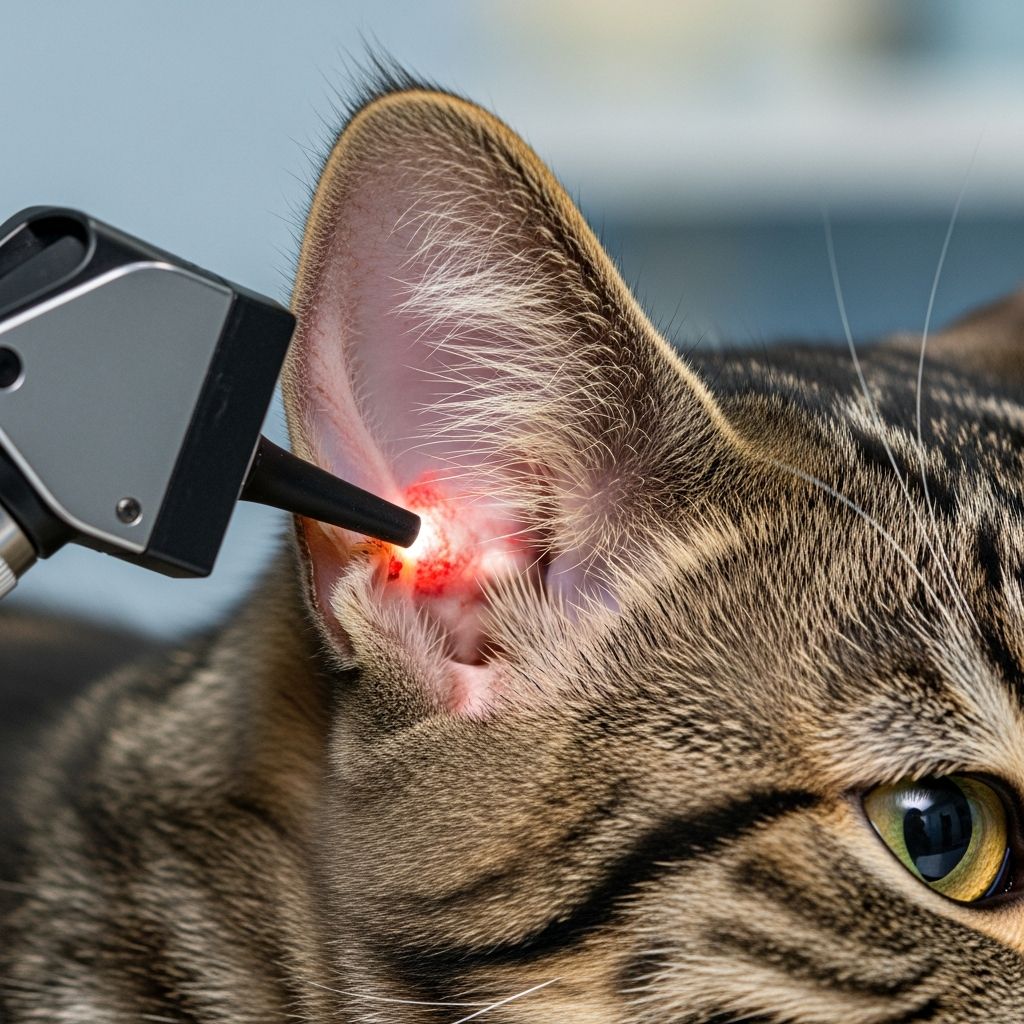
Your veterinarian will begin by examining your cat’s ears using an otoscope, a specialized instrument that allows them to visualize the ear canal clearly. This examination provides valuable information about inflammation, discharge, and the overall condition of the ear canal.
Microscopic Analysis
A sample of the ear debris is collected and examined under a microscope to identify the specific cause of the infection. This analysis can reveal the presence of yeast, bacteria, or ear mites, which is crucial for determining the appropriate treatment.
Additional Diagnostic Tests
In some cases, your veterinarian may recommend additional diagnostics. For chronic or severe infections, sedation or X-rays may be necessary to fully assess the situation and rule out complications such as ruptured eardrums or middle ear involvement.
Treatment Options for Cat Ear Infections
The good news is that most ear infections in cats are readily treatable with appropriate medication, though the specific treatment depends on the underlying cause. Early treatment is essential since ear infections can become chronic and potentially lead to complications.
Topical Medications
Most ear infections in cats are treated with topical medications applied directly to the affected ear. These medications typically contain a combination of antibiotics, antifungal drugs, and glucocorticoids (steroids that reduce inflammation). When properly applied, these medications coat the lining of the external ear canal with a thin protective film.
- Antibiotics: Used to combat bacterial infections
- Antifungals: Effective against yeast infections
- Anti-parasitics: Used specifically for ear mite infestations
- Corticosteroids: Reduce inflammation and provide pain relief
Oral and Injectable Medications
If the eardrum is intact but the infection has reached the middle ear, your veterinarian may prescribe oral or injectable antibiotics to address the internal infection. These systemic medications help eliminate the infection throughout the ear structures.
Ear Cleaning
Prior to applying topical medications, your veterinarian may gently clean your cat’s ears to remove discharge and buildup. This cleaning ensures that topical medications can effectively reach the affected tissue and work as intended.
Pain and Inflammation Management
Your veterinarian will prioritize managing your cat’s pain and inflammation during treatment. This may include the use of pain relievers and anti-inflammatory medications to keep your cat comfortable during recovery.
Advanced Treatment Options
In some cases, particularly those involving chronic inflammation, veterinarians may employ additional therapeutic approaches. Cold laser therapy is increasingly used alongside medications to help manage pain and decrease inflammation.
At-Home Care and Management
Once your veterinarian has prescribed treatment, your role in at-home care is critical to the success of recovery.
Administering Ear Drops
If your veterinarian has prescribed ear drops, it’s essential to apply them correctly:
- Gently lift your cat’s ear flap
- Squeeze the prescribed solution into the ear canal
- Massage the base of the ear gently to help the medicine work its way into the canal
- Allow your cat to shake their head naturally
- Repeat as directed by your veterinarian
Monitoring and Maintenance
Monitor the condition of your cat’s ears regularly to ensure the interior of the ear flap remains clean and the canal is clear of debris. Check for any changes in odor, discharge, or inflammation that might indicate a need for additional veterinary care.
Chronic Ear Infections in Cats
Some cats develop chronic or recurrent ear infections that require ongoing management. These chronic conditions may be caused by growths, allergies, parasites, or underlying systemic diseases.
Managing Chronic Cases
If your cat experiences long-lasting or recurring ear infections that cause ongoing pain and itching, discuss this with your veterinarian. They may prescribe medications to help reduce swelling of the tissues inside the ear canal and address the underlying cause of the chronic infection.
Surgical Intervention
In rare cases, surgery may become necessary to address chronic ear infections. Surgical procedures may involve removing swollen tissue that has blocked or narrowed the ear canal, restoring normal ear canal function. Your veterinarian will discuss surgical options only if medical management has been unsuccessful.
Prevention Strategies
While not all ear infections can be prevented, several strategies can reduce your cat’s risk:
- Maintain regular veterinary check-ups to monitor ear health
- Keep your cat’s living environment clean and free from irritants
- Manage allergies through diet and environmental modifications
- Use preventive parasite treatments as recommended by your veterinarian
- Avoid overly aggressive ear cleaning
- Monitor for early signs of infection and seek prompt veterinary care
- Address underlying health conditions such as diabetes or immune system disorders
Frequently Asked Questions About Cat Ear Infections
Q: How can I tell if my cat has an ear infection?
A: Look for scratching, head shaking, redness, discharge, or foul odor from the ears. If you notice any of these signs, contact your veterinarian promptly.
Q: Are ear infections in cats contagious to other pets?
A: Ear mites can spread to other pets, but bacterial and yeast infections typically are not contagious between animals.
Q: How long does it take to treat a cat ear infection?
A: Most uncomplicated ear infections respond well to treatment within 7-14 days, though your veterinarian may recommend continuing treatment for the full prescribed course.
Q: Can cat ear infections resolve on their own?
A: While very mild irritation might improve, true infections require veterinary treatment. Without proper treatment, infections typically worsen and can lead to serious complications.
Q: What should I do if my cat won’t let me put drops in their ears?
A: Ask your veterinarian for guidance. They may suggest alternative administration methods or recommend bringing your cat in for professional application of medications.
Q: Is surgery necessary for all chronic ear infections?
A: No, surgery is rare and typically only considered when medical management has failed. Most chronic cases can be managed with medication and addressing underlying causes.
References
- Ear Infections in Cats: Causes, Symptoms & Treatments — Apple Valley Animal Hospital. 2021-11-15. https://www.applevalleyanimalhospital.com/site/blog/2021/11/15/ear-infections-in-cats-causes-symptoms-and-treatments
- Ear Infections in Cats: Causes, Treatment, and Prevention — WebMD Pets. 2024. https://www.webmd.com/pets/cats/ear-infections-in-cats-causes-treatment-and-prevention
- Ear Infection in Cats – Causes, Signs & Treatments — Modesto Veterinary Hospital. 2023-10-15. https://www.modestovethospital.com/site/blog/2023/10/15/inner-ear-infection-cats-treatment
- Ear Infection in Cats – Causes, Symptoms & Treatments — Mooresville Animal Hospital. 2021-02-28. https://www.mooresvilleanimalhospital.com/site/blog/2021/02/28/ear-infection-in-cats
- Otitis Externa in Cats — Merck Veterinary Manual. 2024. https://www.merckvetmanual.com/cat-owners/ear-disorders-of-cats/otitis-externa-in-cats
- Ear Infections in Cats — Small Door Veterinary. 2024. https://www.smalldoorvet.com/learning-center/medical/ear-infections-cats
- Cat Ear Infections — PetMD. 2024. https://www.petmd.com/cat/conditions/ears/cat-ear-infections
Similar Articles








Read full bio of Sneha Tete




