

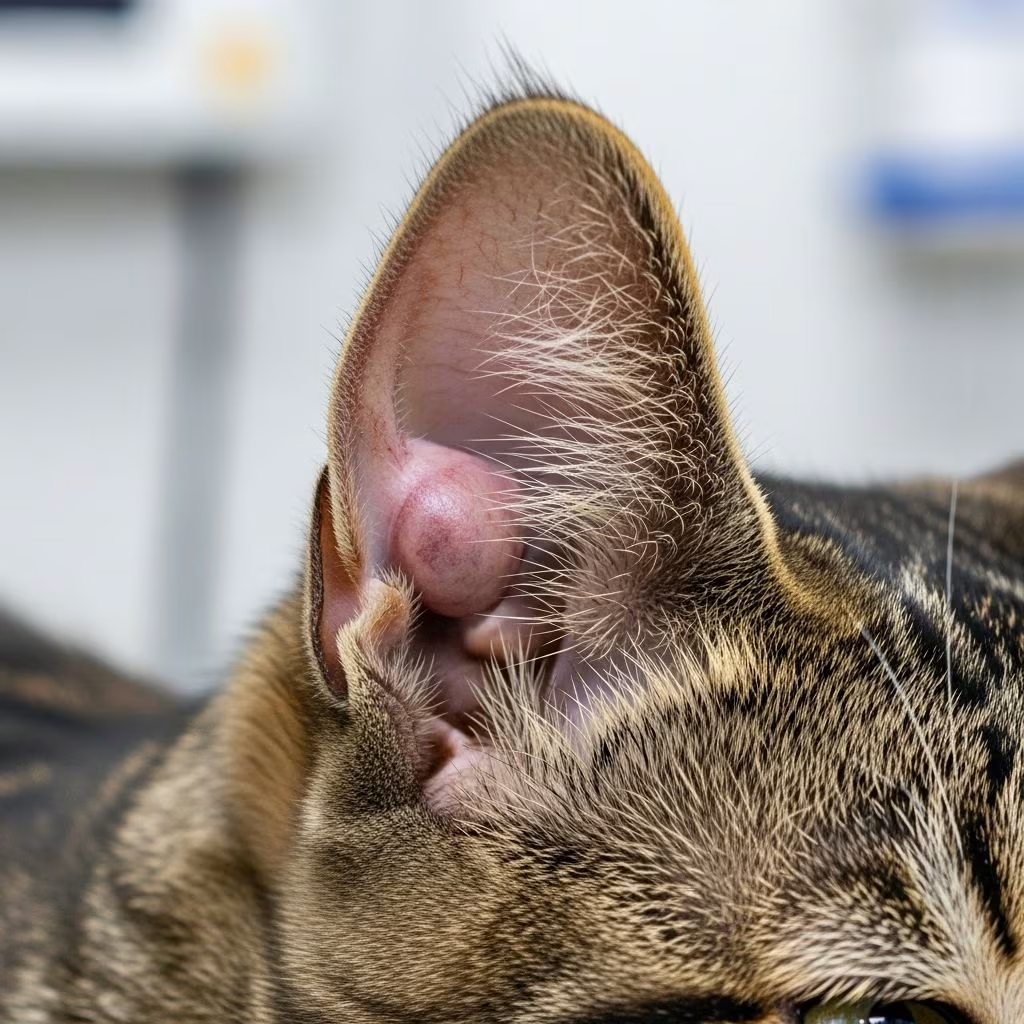
Aural hematomas in cats involve blood accumulation between the ear cartilage and skin, often triggered by vigorous head shaking or scratching. Prompt veterinary care prevents complications like permanent deformity or infection.
Recognizing the Signs of Ear Hematoma in Felines
Cat owners might first notice a soft, squishy swelling on the inner surface of the pinna, the ear flap. This fluid-filled pocket can range from pea-sized to covering the entire ear, appearing suddenly after trauma or irritation. The affected area feels warm, compressible, and may cause discomfort when touched.
- Persistent **head shaking** or tilting, indicating pain or itchiness.
- Intense **scratching** at the ears, worsening the injury.
- Visible **swelling** that distorts the ear shape.
- **Pain reactions** when the ear is handled.
- Possible **discharge** or foul odor if secondary infection develops.
- Inflamed or dirty ear canals alongside the hematoma.
These symptoms often stem from an underlying issue amplifying the cat’s discomfort, leading to self-inflicted damage.
Primary Causes Behind Pinna Blood Pockets
The core mechanism is rupture of small blood vessels within the ear flap due to repeated trauma. Cats shake their heads forcefully in response to ear canal problems, creating negative pressure that tears vessels and traps blood in the space.
| Common Triggers | Description |
|---|---|
| Ear Infections | Bacterial or yeast overgrowth causes itching and inflammation, prompting aggressive shaking. |
| Allergies | Food or environmental sensitivities lead to chronic ear irritation. |
| Ear Mites | Parasitic infestations common in cats, especially outdoors, irritating the canal. |
| Foreign Objects | Grass seeds or debris lodged in the ear trigger discomfort. |
| Polyps or Tumors | Rare growths that obstruct and inflame the ear structure. |
Addressing the root cause is essential, as untreated triggers can lead to recurrence.
Diagnostic Steps for Accurate Assessment
Veterinarians begin with a thorough physical exam, gently palpating the ear to confirm the hematoma’s presence and extent. They check for fluctuations in fluid and assess pain levels.
- Ophthalmoscope or otoscope examination of the ear canal for infections, mites, or debris.
- Cytology swabs to identify bacteria, yeast, or parasites under microscope.
- Imaging like radiographs if deeper issues like polyps are suspected.
- Blood tests in chronic cases to rule out clotting disorders.
Early diagnosis distinguishes simple hematomas from more complex auricular conditions, guiding effective intervention.
Non-Surgical Management Options
For small, recent hematomas, conservative approaches may suffice, especially if surgery poses risks due to age or health. These methods aim to drain fluid and reduce inflammation without incisions.
Aspiration and Medication Therapy
Vets use a needle to aspirate blood, followed by steroid injection into the cavity to minimize re-accumulation. Oral steroids and anti-inflammatories complement this for 7-10 days.
- **Pros**: No anesthesia, lower cost, good cosmetic results for minor cases.
- **Cons**: High recurrence rate (up to 50%), requires multiple visits.
Drain Placement Techniques
In select cases, a cannula or wick is inserted post-drainage to allow ongoing seepage. Cats wear e-collars to prevent interference, with confinement advised.
Supportive care includes NSAIDs like meloxicam for pain and swelling, antibiotics for infections, and ear cleaners. Cold laser therapy accelerates tissue repair.
Surgical Interventions for Lasting Resolution
Surgery remains the gold standard for most hematomas, offering definitive drainage and prevention of fluid rebuild-up.
Standard Incision and Suturing Procedure
Under general anesthesia, the pinna is shaved and sterilized. A linear incision along the hematoma’s longest axis releases clots and serum, flushed with saline. Mattress sutures tack the skin to cartilage, obliterating dead space.
- Incision and evacuation of contents.
- Placement of quilting sutures (4-0 or 5-0 monofilament).
- Temporary bandaging with cotton packing to maintain shape.
- Ear canal protection with gauze during surgery.
Post-Operative Bandaging
A supportive bandage, changed every 2-3 days, promotes apposition of tissues and reduces swelling. Total duration: 10-14 days.
Surgery minimizes scarring compared to natural healing, preserving ear aesthetics.
Aftercare Essentials for Optimal Recovery
Post-treatment vigilance ensures smooth healing and prevents complications.
- E-collar mandatory to stop self-trauma.
- Monitor bandage integrity; contact vet if soiled or loose.
- Administer all prescribed medications on schedule.
- Prevent water exposure during baths or cleaning.
- Follow-up visits at 7-10 days for suture removal and assessment.
Full recovery spans 2-4 weeks, with gradual e-collar weaning once sutures are out.
Potential Complications and When to Worry
While effective, interventions carry risks. Watch for infection signs like purulent discharge, fever, or lethargy. Hematoma recurrence signals unresolved underlying issues.
| Complication | Signs | Action |
|---|---|---|
| Infection | Redness, pus, odor | Immediate vet visit, antibiotics |
| Recurrence | Re-swelling | Re-evaluation of cause |
| Cauliflower Ear | Shrivelled, thickened pinna | Early intervention key |
| Anesthesia Risks | Vomiting, weakness post-op | Monitor closely |
Neglected hematomas fibrose into rigid tissue, causing permanent deformity.
Preventive Measures for Ear Health
Proactive steps reduce hematoma risks by targeting common inciters.
- Regular ear inspections and cleanings with vet-approved solutions.
- Parasite preventives year-round for mites control.
- Diet trials for allergy suspects.
- Prompt treatment of any head shaking or scratching episodes.
Annual wellness exams catch predispositions early.
Cost Considerations and Insurance Insights
Treatment expenses vary: aspiration ($100-300), surgery ($500-1500+), factoring anesthesia, materials, and follow-ups. Pet insurance often covers 70-90% post-deductible, emphasizing preventive care clauses.
Frequently Asked Questions
Will my cat’s ear hematoma heal without treatment?
Small ones might resolve slowly but risk scarring and infection; professional care is advised.
How long does recovery take after surgery?
Typically 2-3 weeks with proper aftercare.
Can ear hematomas affect both ears?
Uncommon, but bilateral cases occur with severe underlying allergies or mites.
Is surgery always necessary?
No, for tiny hematomas; however, it’s most reliable for larger or recurrent ones.
What home remedies work for cat ear hematomas?
None reliably; avoid DIY drainage to prevent infection—see a vet promptly.
References
- Aural hematoma and it’s treatment: A review — PMC – NIH. 2020-02-01. https://pmc.ncbi.nlm.nih.gov/articles/PMC7020633/
- Aural Hematoma in Cats: When Is Surgery Needed? — Cat and Cow Vet. 2024-04-15. https://www.catandcowvet.com/site/blog/2024/04/15/aural-hematoma-cats
- Aural Hematomas in Cats — ACGAS Animal Hospital. 2024-04-15. https://www.acgasvet.com/site/blog/2024/04/15/aural-hematoma-cats
- Ear Hematomas In Cats — East Orlando Animal Hospital. 2024-09-15. https://www.eoah.com/site/blog/2024/09/15/ear-hematomas-in-cats
- Cat Ear Hematoma — PetMD. N/A. https://www.petmd.com/cat/conditions/ears/c_ct_cat_ear_hematoma
- Aural Hematoma in Cats: When is Surgery Needed? — Santa Cruz Veterinary Hospital. 2022-11-15. https://www.santacruzveterinaryhospital.com/site/blog/2022/11/15/aural-hematoma-cats
- Hematoma of the Ear in Cats — VCA Animal Hospitals. N/A. https://vcahospitals.com/know-your-pet/hematoma-of-the-ear-in-cats



