Cat Ear Care Essentials: 8 Steps For Healthy, Clean Ears
Master safe and effective techniques to maintain your cat's ear health at home with vet-approved steps and preventive tips.
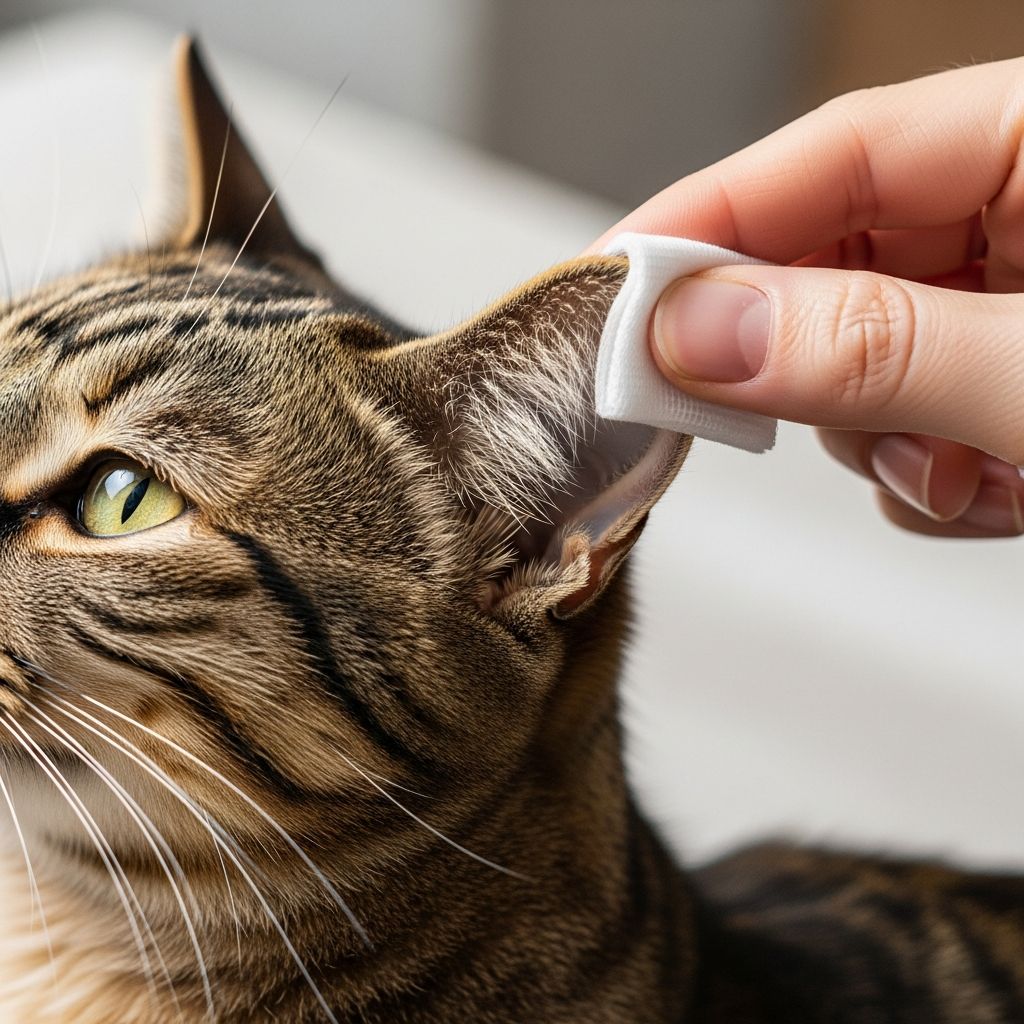
Cat Ear Care Essentials
Proper ear maintenance plays a vital role in your cat’s overall well-being, helping to prevent discomfort and more serious conditions. While many cats keep their ears clean naturally through grooming, certain situations call for human intervention to ensure hygiene and health.
Understanding Feline Ear Anatomy
Cats possess a unique L-shaped ear canal structure, consisting of a vertical and horizontal section that leads to the eardrum. This design traps debris, wax, and moisture effectively, which can lead to buildup if not addressed. The outer ear flap, or pinna, is visible and easy to inspect, while the canal requires careful handling to avoid injury. Knowledge of this anatomy is crucial before attempting any cleaning to prevent pushing material deeper or causing harm.
The ear canal’s skin is sensitive and lined with glands that produce wax for protection. Excessive wax or altered discharge can signal underlying issues, making regular visual checks essential for early detection.
Signs Your Cat Needs Ear Attention
Not every cat requires frequent ear cleanings; routine maintenance is often unnecessary unless recommended by a veterinarian. Look for these indicators that professional or home care might be needed:
- Persistent head shaking or tilting to one side
- Scratching or pawing at the ears excessively
- Visible redness, swelling, or foul odor from the ear
- Dark, crumbly, or coffee-ground-like discharge
- Loss of balance, sensitivity to touch, or behavioral changes
These symptoms may point to infections, mites, allergies, or polyps. Always consult a vet first, as improper cleaning can worsen conditions.
Essential Tools for Safe Ear Cleaning
Gather vet-approved supplies to make the process smooth and safe. Avoid household items like Q-tips, which risk puncturing the eardrum or compacting debris deeper into the canal.
| Item | Purpose | Tips |
|---|---|---|
| Ear cleaning solution | Loosens wax and debris | Choose pH-neutral, alcohol-free formulas; vet-prescribed for infections |
| Cotton balls or gauze | Wiping visible areas | Stay at ear opening; never insert deeply |
| Clean towel or cloth | Drying and restraint | Wrap cat to prevent scratches |
| Treats | Positive reinforcement | High-value rewards for cooperation |
Solutions with drying agents or mild antiseptics are ideal for routine use, but confirm with your vet to match your cat’s needs.
Step-by-Step Guide to Cleaning Cat Ears
Follow these detailed steps in a calm environment, ideally with a helper for wiggly cats. Aim for short sessions to build tolerance.
- Prepare your cat: Sit comfortably with your cat in your lap, facing away. Use a towel burrito to secure paws if needed.
- Inspect first: Gently lift the ear flap to check for severe issues. Stop and call a vet if you see blood, pus, or extreme inflammation.
- Apply solution: Hold the bottle upright and squeeze enough cleaner to fill the canal without touching the ear with the tip. Wipe the nozzle with alcohol afterward to prevent contamination.
- Massage gently: Use your fingers to rub the base of the ear for 20-30 seconds. Listen for a squishing sound indicating debris breakdown.
- Allow shaking: Let your cat shake vigorously to expel loosened material. Protect yourself with the towel.
- Wipe exterior: Use fresh cotton balls to clean the pinna and outer canal entrance only, as far as your finger reaches.
- Reward immediately: Offer treats and praise to associate the process positively.
- Repeat for other ear: Do one at a time if your cat becomes stressed.
Cleaning frequency varies: weekly for prone cats, or as vet-directed. Over-cleaning strips protective oils.
Common Mistakes to Avoid
Many owners unintentionally harm their pets during ear care. Steer clear of these pitfalls:
- Using Q-tips or swabs: They push debris inward and can rupture the eardrum.
- Alcohol or peroxide-based cleaners: These irritate inflamed skin.
- Forcing the process: Stressed cats may lash out; use counter-conditioning with treats first.
- Skipping vet checks: Home cleaning treats symptoms, not causes like mites or allergies.
- Cleaning too deeply: Limit to what you can see to protect the canal.
Preventing Ear Problems in Cats
Proactive measures reduce the need for intensive cleaning. Maintain a clean environment to minimize allergens and parasites. Breeds with folded ears, like Scottish Folds, are more susceptible and benefit from bi-weekly checks.
- Dry ears thoroughly after baths or swimming.
- Control fleas, as they spread ear mites.
- Feed hypoallergenic diets if allergies are suspected.
- Schedule annual vet exams for early detection.
Regular grooming sessions build trust and make health checks easier.
When to Seek Veterinary Help
Home care suffices for mild buildup, but escalate if symptoms persist beyond 48 hours or worsen. Vets may perform cytology, prescribe meds, or address underlying issues like yeast or bacterial overgrowth. Professional cleaning under sedation ensures thoroughness for severe cases.
Emergency signs include sudden hearing loss, neurological symptoms, or head pressing against surfaces.
Product Recommendations and Alternatives
Opt for veterinary-formulated cleaners. Examples include those with aloe for soothing or advanced drying agents. Pre-moistened wipes suit quick touch-ups on the pinna. Always patch-test new products.
Training Your Cat for Ear Handling
Desensitization prevents battles. Start with gentle petting around the ears, rewarding calm behavior. Gradually introduce cotton balls and solution sounds, using high-reward treats like spray cheese. Positive reinforcement turns grooming into a bonding ritual.
Frequently Asked Questions
Can I clean my cat’s ears weekly?
Only if advised by a vet; most cats self-maintain. Overdoing it causes irritation.
What if my cat hates ear cleaning?
Use towel wraps, helpers, or distraction treats. Consider vet demos for technique tweaks.
Is black discharge normal?
No, it often indicates mites or infection. Seek vet care promptly.
Are ear wipes effective?
Yes, for outer areas, but solutions are better for canals.
How do I know if cleaning worked?
Cleaner discharge on cotton balls and no odor after a few days.
Long-Term Ear Health Strategies
Integrate ear care into broader wellness: balanced nutrition supports immunity, reducing infection risks. Monitor during play for subtle cues. For multi-cat homes, isolate potential mite carriers.
Ear health reflects systemic wellness; track patterns with a journal for vet discussions.
References
- How to Clean Cat Ears: Step-by-Step Instructions — Chewy. Accessed 2026. https://www.chewy.com/education/cat/grooming/clean-cats-ears
- Instructions for Ear Cleaning in Cats — VCA Animal Hospitals. Accessed 2026. https://vcahospitals.com/know-your-pet/instructions-for-ear-cleaning-in-cats
- How to clean your cat’s ears in 7 easy steps — Joii Pet Care. Accessed 2026. https://www.joiipetcare.com/blogs/advice/how-to-clean-your-cat-s-ears-in-7-easy-steps
- Dr. Craig’s Gentle Ear Cleaning Method — Westonka Veterinary Clinic. 2020-09. https://westonka.vet/wp-content/uploads/2020/09/ear_cleaning.pdf
- Cleaning your cat’s ears — DOUXO. Accessed 2026. https://www.douxo.com/sg_en/ear-skin-care/cleaning-cat-s-ears
Similar Articles








Read full bio of Sneha Tete