

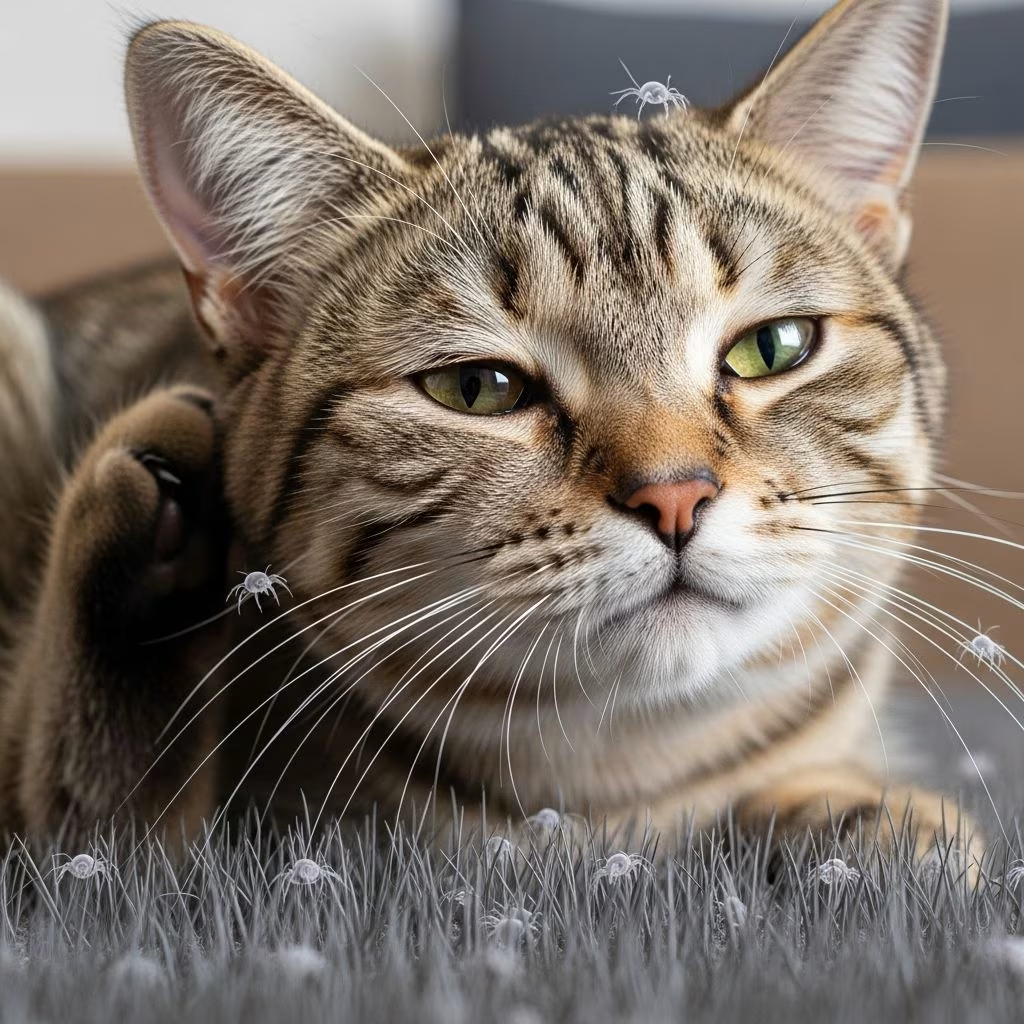
Dust mite allergies affect many cats, causing discomfort through skin irritation and other symptoms triggered by microscopic mites in household dust. These allergens, derived from mite waste and body parts, provoke immune responses similar to those in humans and dogs. Understanding this condition helps pet owners intervene early for better feline health.
Understanding Dust Mites and Their Impact on Cats
Dust mites are tiny arachnids that thrive in warm, humid environments, feeding on dead skin cells from humans and pets. In homes, they concentrate in bedding, carpets, upholstery, and fabrics where cats spend time. Their fecal pellets and fragmented bodies become airborne or settle on surfaces, leading to allergic reactions when inhaled or contacting skin.
Cats sensitized to these proteins develop atopic dermatitis, a chronic inflammatory skin condition. Unlike fleas or food allergies, dust mite issues persist year-round, unaffected by seasons, making them a common indoor culprit. Prevalence is high in humid climates, with studies noting mites as key indoor allergens alongside pet dander.
Key Signs Your Cat May Have a Dust Mite Allergy
Recognizing symptoms early prevents secondary infections. Cats often show subtle signs that worsen over time.
- Intense Itching: Frequent scratching, licking, or biting at ears, face, paws, belly, and groin. This leads to hair loss and red, inflamed skin.
- Skin Changes: Red patches, bumps resembling hives, scabs, or crusty lesions, especially in dermatitis-prone areas.
- Respiratory Distress: Sneezing, coughing, wheezing, nasal discharge, or congestion, mimicking a cold but persisting indoors.
- Eye Irritation: Watery, red eyes with squinting, pawing, or discharge.
- Ear Problems: Head shaking, odor, wax buildup, or infections from constant scratching.
- Behavioral Shifts: Restlessness at night, reduced grooming, or avoidance of favorite spots like beds.
Symptoms intensify in mornings after bedding exposure or during cleaning, distinguishing them from seasonal allergies.
Conditions Mimicking Dust Mite Allergies
Differentiating causes is crucial for treatment. Use this table for comparison:
| Symptom/Condition | Dust Mite Allergy | Flea Allergy | Food Allergy | Atopic Dermatitis (Other) |
|---|---|---|---|---|
| Itching Location | Ears, paws, belly, groin | Base of tail, back | Face, ears, paws | Generalized |
| Timing | Year-round, worse mornings | Seasonal or irregular | Persistent post-meals | Environmental triggers |
| Respiratory Signs | Common (sneezing) | Rare | Gastrointestinal focus | Variable |
| Secondary Infections | Frequent (ears, skin) | Hot spots | Diarrhea/vomiting | Yes |
Flea allergies show flea dirt; food issues involve GI upset. Veterinary exams rule out ringworm or mites.
How Veterinarians Diagnose Feline Dust Mite Allergies
Diagnosis starts with history: symptom patterns, home environment, and rule-outs. Key tests include:
- Intradermal Skin Testing: Shave a patch, inject allergens; wheal formation indicates sensitivity. Performed by dermatologists.
- Serum IgE Blood Tests: Measures antibodies to dust mites and others. Non-invasive option.
- Elimination Trials: Clean environment, monitor improvement over weeks.
- Skin Biopsies: For chronic cases to confirm dermatitis.
Positive tests guide immunotherapy, unlike symptom-only management. Allergists emphasize testing multiple mite species.
Effective Strategies to Reduce Dust Mite Exposure
Control starts at home. Implement these steps:
- Bedding Management: Wash cat beds weekly in hot water (>130°F). Use allergen-proof covers.
- Humidity Control: Keep below 50% with dehumidifiers; mites die in dry air.
- Vacuuming and Dusting: HEPA-filter vacuums twice weekly; damp mop hard floors.
- Air Purification: HEPA air cleaners in sleeping areas capture allergens.
- Fabric Minimization: Reduce carpets/upholstery; freeze toys overnight to kill mites.
Regular grooming removes dander, starving mites.
Treatment Options for Affected Cats
Combine environmental control with meds:
- Topical Therapies: Medicated shampoos, sprays for itch relief and infection prevention.
- Oral Medications: Antihistamines, steroids (short-term), or Apoquel for inflammation.
- Immunotherapy: Custom vaccines desensitize over months; 60-80% effective long-term.
- Antibiotics/Antifungals: For secondary infections.
Monitor progress; adjust based on vet input.
Preventing Dust Mite Allergies in Cats
Proactive measures lower risk:
- Maintain low humidity year-round.
- Choose hypoallergenic bedding.
- Groom cats weekly outdoors.
- Annual vet check-ups for early detection.
New kittens in high-risk homes benefit from early environmental tweaks.
FAQs on Cat Dust Mite Allergies
Q: Do dust mites bite cats?
No, reactions stem from allergens in waste, not bites, causing itch like hives.
Q: Can symptoms appear suddenly?
Yes, sensitization builds over time, even in adults.
Q: How to differentiate from pollen allergies?
Dust mite signs are perennial, indoor-worse, morning-peaking.
Q: Is testing always needed?
For immunotherapy, yes; trials suffice initially.
Q: Can my cat outgrow it?
Rarely; management is lifelong.
Q: Are essential oils safe?
Avoid; consult vets to prevent toxicity.
Long-Term Management for Optimal Cat Health
Sustained effort yields results. Track symptoms in a journal, partnering with vets for tailored plans. Many cats achieve remission with diligence, enjoying itch-free lives.
References
- Dust Mite Allergy Symptoms & Treatment — Carolina Asthma & Allergy Center. 2023. https://www.carolinaasthma.com/blog/dust-mite-allergy-symptoms/
- House Dust Mite Allergies in Dogs and Cats — MedVet. 2024-02-17. https://www.medvet.com/house-dust-mite-allergies-in-dogs-and-cats/
- Cat Allergies — Connolly Animal Clinic. 2023. https://www.connollyanimalclinicpc.com/cat-allergies
- 7 Cat Allergy Symptoms to Watch For — VEG. 2024. https://www.veg.com/post/7-cat-allergy-symptoms-to-watch-for
- Mites and other indoor allergens — from exposure to sensitization — PMC (NIH). 2015-06-01. https://pmc.ncbi.nlm.nih.gov/articles/PMC4479455/



