

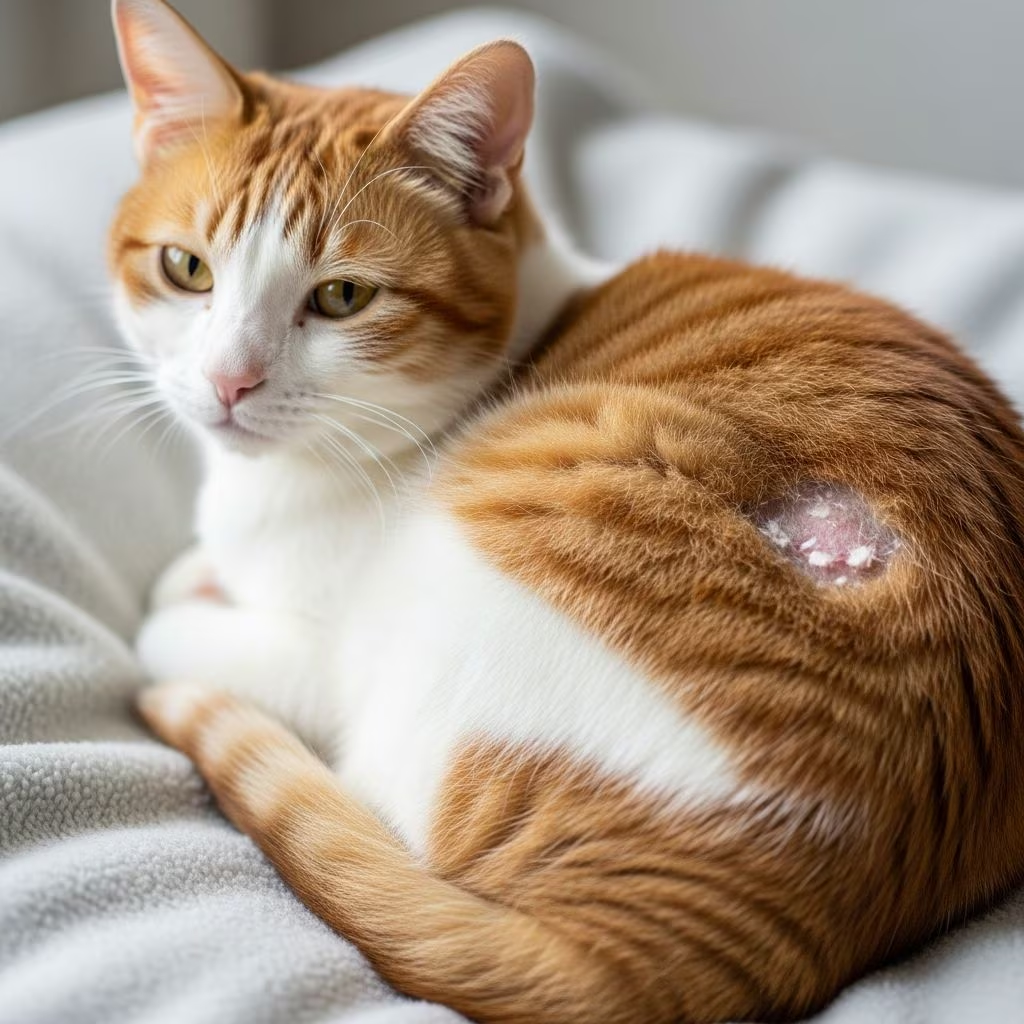
Dry skin in cats manifests as flaky patches, excessive scratching, and a dull coat, often signaling underlying issues from environmental factors to health conditions. Addressing it promptly restores comfort and prevents complications like infections.
Recognizing the Signs of Dry Skin in Your Cat
Early detection of dry skin helps avoid escalation. Cats with this problem frequently show visible and behavioral cues that owners can spot during routine interactions.
- Excessive scratching or licking: Cats may focus on areas like the back, tail base, ears, or face, leading to hair loss or sores.
- White or gray flakes: Dandruff-like debris appears in the fur, especially noticeable when petting or on bedding.
- Dull, lackluster coat: Instead of sleek shine, the fur looks rough and brittle.
- Red, inflamed patches: Scaly or scabby areas indicate irritation, sometimes with bald spots.
- Over-grooming: Compulsive behavior creates thin fur or wounds from constant moisture.
Healthy cat skin feels supple and elastic when gently pinched; dry skin resists stretching and may crack. If symptoms persist beyond a week or worsen, professional evaluation is essential to rule out serious problems.
Primary Triggers Behind Feline Dry Skin
Multiple factors contribute to dry skin, ranging from everyday surroundings to internal imbalances. Understanding these guides targeted interventions.
Environmental Influences
Low humidity, common in heated homes or arid regions, strips natural oils from a cat’s skin, mimicking human winter dryness. Over-bathing with harsh human shampoos or hot water exacerbates this by disrupting the skin’s protective barrier.
Nutritional Shortfalls
Diets lacking omega-3 fatty acids, proteins, or vitamins lead to poor skin hydration and coat quality. Inadequate nutrition causes flaking similar to dandruff.
Allergic Reactions
Fleas, pollen, mold, food ingredients, or household chemicals provoke intense itching, resulting in dry, scaly skin from constant scratching. Flea allergies are particularly notorious for tail-base dermatitis.
Parasitic and Infectious Agents
Fleas, mites, lice, or fungal infections like ringworm cause irritation, dryness, and secondary bacterial issues. These spread via contact and require swift action.
Systemic Health Disorders
| Condition | Skin Impact | Other Signs |
|---|---|---|
| Hyperthyroidism | Dry, flaky coat | Weight loss, increased thirst |
| Diabetes | Itchy, thin skin | Excessive urination, lethargy |
| Obesity | Hard-to-groom areas dry out | Reduced mobility |
| Cancers or autoimmune diseases | Ulcerated patches | Appetite changes, fatigue |
These conditions alter skin metabolism, demanding veterinary diagnostics like blood tests.
Diagnostic Steps for Accurate Identification
Veterinarians employ a multi-step approach: physical exams check skin elasticity and flake samples under microscope for parasites or fungi. Allergy tests, skin biopsies, or bloodwork pinpoint food sensitivities, infections, or endocrine issues. Owners should note symptom onset, diet changes, and household shifts to aid diagnosis.
Effective Treatment Strategies
Treatments vary by cause but focus on symptom relief and root resolution. Always consult a vet before starting.
Home-Based Remedies
- Humidify the air: Use pet-safe humidifiers to maintain 40-60% humidity, easing seasonal dryness.
- Groom regularly: Brush daily to distribute oils and remove flakes; avoid over-washing.
- Moisturizing baths: Oatmeal or vet-formulated shampoos soothe without stripping oils, used sparingly.
- Omega supplements: Fish oil adds essential fatty acids for skin repair.
Veterinary Interventions
Prescription anti-parasitics eliminate fleas or mites; antifungals treat ringworm. Medicated shampoos or topical steroids reduce inflammation from allergies. For chronic cases, hypoallergenic diets or immunotherapy manage sensitivities. Systemic diseases require tailored medications like insulin for diabetes.
Preventive Measures for Long-Term Skin Health
Proactive habits minimize recurrence. Feed balanced, AAFCO-approved foods rich in fatty acids. Maintain flea preventives year-round and control household allergens with air filters. Annual wellness exams catch issues early, especially in seniors prone to thyroid problems. Weight management through play and portion control aids grooming reach.
When to Seek Immediate Veterinary Care
Rush to the vet if dry skin accompanies open wounds, lethargy, vomiting, dramatic weight shifts, or non-stop scratching—these signal infections or organ issues. Delaying risks secondary problems like abscesses.
FAQs on Cat Dry Skin
Can dry skin in cats resolve on its own?
Mild environmental cases may improve with humidity and grooming, but persistent symptoms need vet attention.
Is cat dandruff always dry skin?
Often yes, but greasy dandruff suggests seborrhea or diet issues—differentiate via vet exam.
Are certain breeds more prone?
Sphynx or Persians with thin fur suffer more from low humidity, but all breeds can be affected.
Can human lotion help my cat?
No—it’s toxic if licked. Use vet-approved products only.
How long until treatments work?
Environmental fixes show in days; medical treatments take 2-4 weeks with follow-ups.
References
- Skin Conditions in Cats: Types, Symptoms, and Treatment — PetMD. 2023. https://www.petmd.com/cat/general-health/skin-conditions-in-cats
- How to prevent dry, flaky skin in cats — Vetster. 2024. https://vetster.com/en/wellness/how-to-prevent-dry-flaky-skin-in-cats
- Why Does My Cat Have Dry Skin? — Gray Animal Hospital. 2023. https://grayanimalhospitalinc.com/blog/cat-with-dry-skin/
- Learn How to Help Your Cat’s Dry Skin — Purina. 2024. https://www.purina.com/articles/cat/health/skin-fur-ears/help-for-your-cats-dry-skin
- 5 Treatments For Cat Dry Skin — PetCareRx. 2023. https://www.petcarerx.com/article/5-treatments-for-cat-dry-skin/1467
- What to Do if Your Cat Has Dry Skin — Dupont Veterinary Clinic. 2024. https://www.dupontvet.com/blog/what-to-do-if-your-cat-has-dry-skin/
- Does My Cat Have Dry Skin? — Hill’s Pet. 2024. https://www.hillspet.com/cat-care/healthcare/does-my-cat-have-dry-skin



