

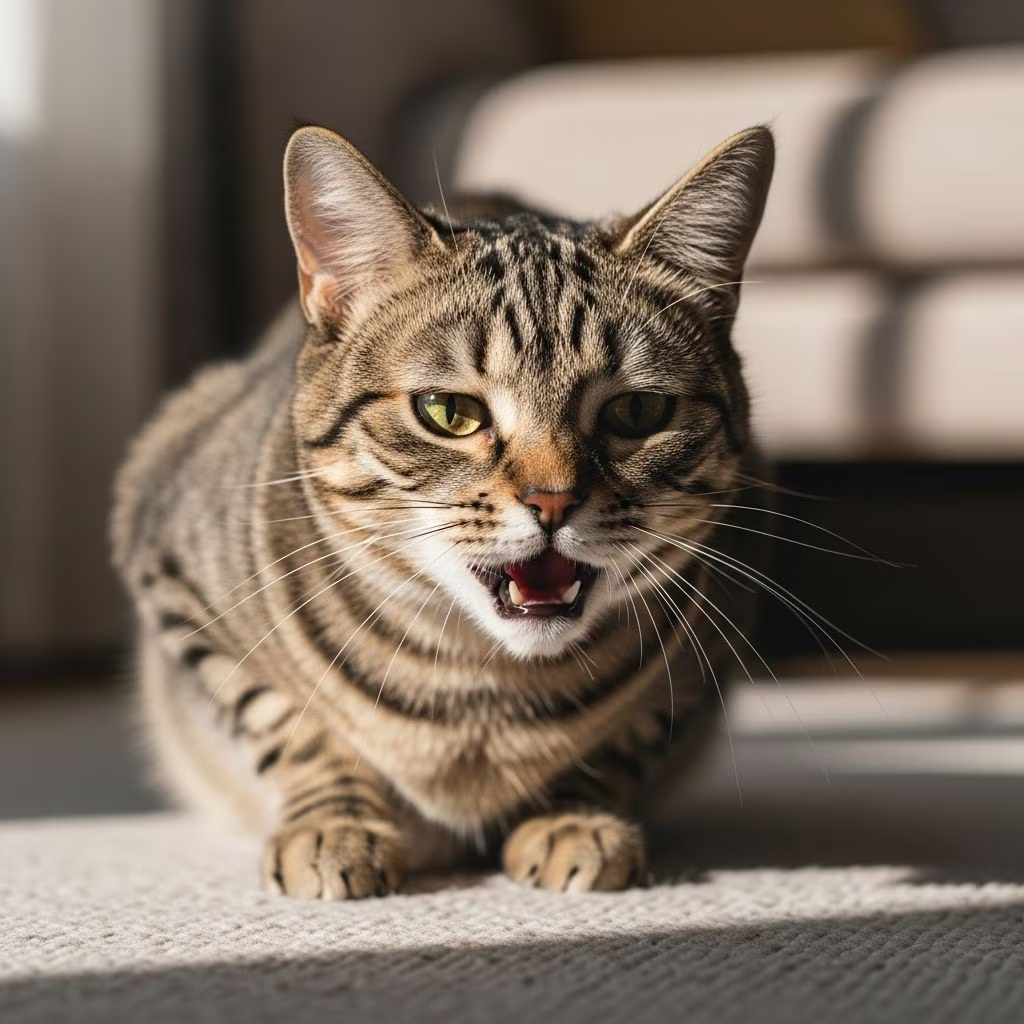
Dry heaving in cats, characterized by retching without producing vomit, often signals discomfort in the digestive or respiratory system. This behavior ranges from benign issues like hairballs to severe conditions requiring immediate veterinary attention.
Recognizing the Signs of Dry Heaving
Observe your cat for repetitive gagging motions, often with an arched back and extended neck, but no expulsion of stomach contents. Accompanying signs include foaming at the mouth, lethargy, or loss of appetite, distinguishing it from productive vomiting.
- Empty stomach retching after meals
- Foaming or drooling during episodes
- Occasional progression to actual vomiting
Primary Culprits Behind Feline Dry Heaving
The most frequent trigger is hairball accumulation from grooming. Cats ingest fur via barbed tongues, forming masses that irritate the stomach lining and provoke heaving.
Hairballs: Nature’s Grooming Byproduct
During self-grooming, loose hairs collect in the stomach. While most pass through feces, buildup leads to discomfort and expulsion attempts. Long-haired breeds suffer more frequently.
| Breed Type | Hairball Risk | Frequency |
|---|---|---|
| Short-haired | Low | Monthly |
| Long-haired (e.g., Persian) | High | Weekly |
| Kittens | Moderate | Occasional |
Serious Medical Conditions Linked to Dry Heaving
Beyond hairballs, underlying diseases demand prompt evaluation. Organ dysfunctions like kidney or liver failure manifest with persistent heaving alongside systemic symptoms.
Kidney Disorders in Aging Cats
Chronic kidney disease (CKD) affects many senior cats, causing nausea and uremic toxins buildup that trigger dry heaving. Symptoms include excessive thirst, urination, weight loss, and poor coat condition. Acute cases from toxins are emergencies.
- Increased water intake
- Pale gums and weakness
- Itchiness from toxin accumulation
Gastrointestinal Inflammation and Infections
Gastroenteritis involves stomach or intestinal swelling from bacteria, viruses, parasites, or dietary shifts. Post-meal heaving, diarrhea, and energy loss are hallmarks.
Food poisoning from spoiled items exacerbates nausea, leading to repeated retching and appetite refusal.
Liver Dysfunction and Toxin Overload
The liver filters toxins and stores nutrients; failures from infections or poisons cause jaundice (yellowing), abdominal distension, and heaving. Lethargy and fluid buildup follow.
Heart Conditions and Respiratory Involvement
Congenital or acquired heart diseases lead to fluid accumulation and coughing mistaken for heaving. Breathing difficulties and weakness signal urgency.
Less Common but Critical Triggers
Other factors include hyperthyroidism, diabetes, inflammatory bowel disease (IBD), and obstructions from foreign bodies or tumors. Parasites like worms irritate the gut, while metabolic imbalances amplify nausea.
- Intestinal blockages causing foul-smelling attempts
- Pancreatitis with bile in retch
- Poisoning from household toxins
When to Rush to the Vet
Isolated episodes might resolve, but consult a professional if heaving persists beyond 24 hours, recurs weekly, or pairs with blood, dehydration, or collapse. Diagnostic tools like bloodwork, ultrasounds, and endoscopies pinpoint issues.
| Symptom Combo | Urgency Level | Action |
|---|---|---|
| Hairball + normal appetite | Low | Monitor, use hairball remedy |
| With lethargy + thirst | High | Vet visit same day |
| Blood/collapse | Emergency | Immediate ER |
Home Management Strategies
For mild cases, brush daily to reduce fur intake, offer hairball gels or high-fiber foods, and ensure hydration. Avoid sudden diet changes; elevate bowls to slow eating.
- Groom 3-5 times weekly
- Provide pumpkin puree for fiber
- Small, frequent meals
Preventive Measures for Long-Term Health
Annual checkups catch early diseases. Maintain ideal weight to avoid obesity-linked issues, vaccinate against infections, and secure toxins. Dental care prevents secondary nausea.
Diagnostic Approaches by Veterinarians
Vets start with history and exams, progressing to fecal tests for parasites, radiographs for blockages, and blood panels for organ function. Advanced imaging like ultrasound assesses kidneys and liver.
FAQs on Cat Dry Heaving
Is dry heaving always serious?
No, hairballs cause most cases, but monitor for patterns or added symptoms.
How do hairballs differ from vomiting?
Hairballs produce cylindrical fur masses; dry heaving yields nothing.
Can diet fix dry heaving?
Fiber-rich diets help hairballs and mild GI issues, but not organ diseases.
What if my kitten is heaving?
Parasites or foreign objects are likely; seek vet care promptly.
Does stress cause dry heaving?
Yes, anxiety can trigger nausea, mimicking GI upset.
References
- A Comprehensive Guide About Cat Dry Heaving — Vet and Tech. 2023. https://www.vetandtech.com/blogs/cat-dry-heaving
- Help! My Cat Keeps Dry Heaving — APEC Vet. 2023-11-15. https://www.apecvet.com/site/blog/2023/11/15/cat-dry-heaving
- Help! My Cat Keeps Dry Heaving — Aptos-Creekside Pet Hospital. 2022-03-31. https://www.aptos-creeksidepets.com/site/blog/2022/03/31/help-my-cat-keeps-dry-heaving
- Help! My Cat Keeps Dry Heaving — RAETC. 2024-03-15. https://www.raetc.com/site/blog/2024/03/15/help-my-cat-keeps-dry-heaving
- Dry Heaving and Vomiting In Cats — Tracy Vets. 2021-06-30. https://www.tracyvets.com/site/blog/2021/06/30/dry-heaving-and-vomiting-in-cats
- Gagging and Dry Heaves in Cats — Vetster. N/A. https://vetster.com/en/symptoms/cat/gagging-and-dry-heaves-unproductive-vomiting
- Cat Vomiting: Causes and Types — PetMD. N/A. https://www.petmd.com/cat/symptoms/cat-vomiting-causes-and-types



