

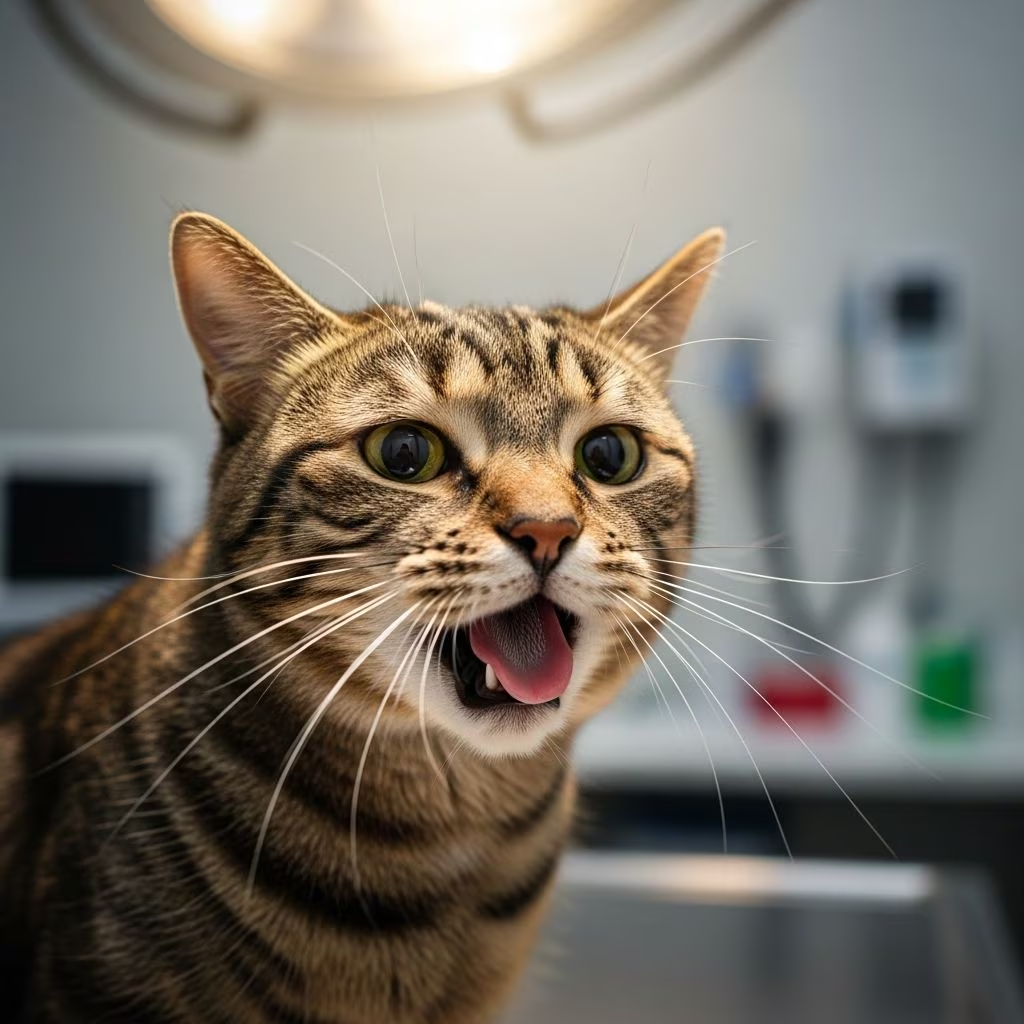
Dry heaving in cats—also known as retching or gagging without producing vomit—can be alarming for pet owners. While some cases involve benign causes like hairballs, persistent dry heaving may signal an underlying health condition requiring veterinary attention. Understanding the potential causes and recognizing warning signs can help you determine when your feline companion needs professional care.
What Exactly Is Dry Heaving in Cats?
Dry heaving refers to the involuntary muscle contractions and sounds associated with vomiting, but without any actual expulsion of stomach contents. Your cat may make hacking or gagging sounds, appear uncomfortable, and go through the motions of vomiting, yet nothing comes out. This condition can affect cats of any age, though the underlying causes may vary between kittens and senior felines.
The distinction between dry heaving and actual vomiting is important because it helps guide diagnosis. While vomiting indicates that stomach contents are being expelled, dry heaving suggests either an empty stomach or an obstruction preventing normal vomiting reflex completion.
Common Benign Causes of Feline Dry Heaving
Hairballs: The Most Frequent Culprit
Hairballs represent the most common cause of dry heaving in otherwise healthy cats. During grooming, cats use their tongues to remove loose and dead hair from their coats. While most of this hair passes through the digestive system without incident, some accumulates in the stomach, forming compact masses that trigger the gag reflex.
When your cat attempts to expel a hairball, you’ll observe hacking, gagging, and dry heaving motions. In most cases, the hairball is successfully vomited within a few attempts. However, cats that repeatedly dry heave without producing a hairball, or show signs of lethargy, loss of appetite, constipation, or diarrhea, may have a hairball lodged in the intestines—a potentially life-threatening blockage requiring immediate veterinary intervention.
Eating Habits and Feeding Practices
Cats that consume food too rapidly or in excessive quantities may experience gagging and dry heaving as their digestive system adjusts. Some cats also dry heave when vomiting on an empty stomach, which can produce foam-like material. If your cat consistently dry heaves after meals, this pattern may indicate gastroenteritis rather than a simple feeding issue.
Serious Health Conditions Associated With Dry Heaving
Kidney Disease: A Major Concern in Aging Cats
Kidney disorders are particularly prevalent in older cats and represent a common underlying cause of persistent dry heaving. The kidneys are essential for filtering waste and maintaining fluid balance, and when they malfunction, various uncomfortable symptoms emerge.
Kidney disease can be triggered by tumors, infections, toxin exposure, or immune system dysfunction. Cats experiencing kidney problems typically display multiple symptoms beyond dry heaving:
- Increased thirst and frequent urination
- Nausea and vomiting
- Lethargy and weakness
- Pale gums
- Itchy or flaky skin
- Weight loss and appetite changes
Acute kidney disease, often caused by ingestion of toxic substances, constitutes a veterinary emergency requiring immediate professional intervention.
Gastrointestinal Inflammation and Infections
Gastroenteritis—inflammation of the stomach or intestines—frequently causes gagging, dry heaving, and vomiting in cats. This condition can develop from multiple sources including bacterial or viral infections, parasitic infestations, reactions to new foods, or adverse medication responses.
Cats with gastroenteritis often experience gagging and dry heaving most prominently following meals. Additional symptoms may include:
- Diarrhea or constipation
- Reluctance to eat
- Lethargy and depression
- Mouth foaming during vomiting episodes
- Lack of energy
Bacterial and viral infections related to poor food quality or spoiled meals can escalate rapidly, leading to severe health deterioration if left untreated.
Liver Disease and Hepatic Dysfunction
The liver performs multiple critical functions including storing vitamins and filtering toxins from the bloodstream. When the liver becomes diseased, numerous symptoms can develop, including dry heaving.
Hepatic lipidosis represents a common liver condition, particularly in obese cats, characterized by excessive fat accumulation within liver tissue. Liver disease may originate from infections, toxin exposure, or other metabolic disorders. Symptoms accompanying dry heaving include:
- Yellowing of the eyes and skin (jaundice)
- Pale gums
- Increased thirst and urination
- Lethargy and depression
- Loss of appetite
- Weight loss
- Abdominal distension
- Circling behavior and head pressing
Cardiac Conditions and Heart Disease
Both congenital heart disease (present from birth) and acquired heart disease (developing in adult or senior cats) can trigger dry heaving episodes. Heart conditions develop from various causes including strain on cardiac structures, infections, or injuries affecting the heart muscle.
Beyond dry heaving, cats with heart disease may exhibit:
- Persistent coughing
- Difficulty breathing or labored breathing
- Lethargy and reduced activity
- Growth failure in young cats
- Abdominal swelling or distension
- Irregular heartbeat or abnormal heart rate
- General weakness
Recognizing Warning Signs That Require Veterinary Care
While occasional dry heaving may resolve independently, certain signs warrant prompt veterinary evaluation. Contact your veterinarian immediately if your cat displays:
- Frequent or persistent dry heaving episodes over several days
- Loss of appetite or refusal to eat
- Significant lethargy or behavioral changes
- Constipation or diarrhea accompanying dry heaving
- Signs of abdominal pain or discomfort
- Pale or discolored gums
- Labored breathing or coughing
- Yellowing of eyes or skin
- Excessive thirst and urination
- Weight loss over a short period
Interpreting Vomit Characteristics for Diagnosis
When dry heaving does produce vomit, the substance’s appearance provides diagnostic clues about underlying conditions:
| Vomit Appearance | Possible Indication |
|---|---|
| Strong odor or foul smell | Intestinal obstruction |
| Large amounts of mucus | Inflamed intestines |
| Undigested food particles | Poisoning, anxiety, or rapid eating |
| Bile (greenish-yellow color) | Pancreatitis or inflammatory bowel disease |
| Red or dark blood | Ulcerated stomach lining |
When to Seek Emergency Veterinary Care
Certain situations demand immediate emergency veterinary attention rather than waiting for a routine appointment. Consider your cat in need of urgent care if they:
- Show signs of acute kidney disease after potential toxin exposure
- Display severe abdominal pain or distension
- Cannot keep any food or water down
- Show signs of shock (pale gums, rapid breathing, cold extremities)
- Have a visibly swollen or rigid abdomen
- Exhibit collapse or severe weakness
- Show evidence of blood in vomit or stool
Diagnostic Approaches Your Veterinarian May Use
When you bring your cat to the veterinarian for evaluation of dry heaving, the diagnostic process typically includes:
- Physical examination: Assessment of overall body condition, abdominal palpation, and evaluation of vital signs
- Blood work: Complete blood count and chemistry panel to assess organ function
- Urinalysis: Evaluation of kidney and urinary tract function
- Imaging studies: X-rays or ultrasound to visualize abdominal organs and detect obstructions
- Fecal examination: Testing for parasitic infections
- Specialized testing: Additional diagnostics based on initial findings
Management Strategies and Prevention
Treatment varies based on the underlying cause. For hairball-related dry heaving, increasing fiber intake through diet or cat-safe supplements may help. Regular grooming reduces loose hair ingestion, particularly in long-haired breeds. Feeding smaller, more frequent meals can minimize rapid eating-related gagging.
For disease-related dry heaving, treatment addresses the specific condition. Kidney disease management may involve dietary modifications and medications. Gastroenteritis treatment depends on identifying and eliminating the causative agent, whether dietary change, medication adjustment, or infection control.
Prevention strategies include maintaining proper dental health, avoiding obesity, providing fresh water, monitoring food quality, and ensuring up-to-date vaccinations and parasite prevention.
Frequently Asked Questions
Is dry heaving in cats always serious?
No. Occasional dry heaving from hairballs or rapid eating may resolve without intervention. However, persistent, frequent, or accompanied-by-other-symptoms dry heaving warrants veterinary evaluation to rule out serious conditions.
Can I treat my cat’s dry heaving at home?
Home management is appropriate only for confirmed hairball issues, such as increased grooming and dietary fiber. Any other cause requires professional veterinary diagnosis and treatment.
How long should I monitor before contacting my vet?
Contact your veterinarian if dry heaving persists beyond a few hours, recurs frequently, or accompanies other symptoms. Don’t delay if your cat shows signs of pain or distress.
Are certain cat breeds more prone to dry heaving?
Long-haired breeds are more susceptible to hairball-related dry heaving. Certain breeds have predispositions to specific diseases like heart conditions or kidney disease, but dry heaving can affect any cat.
Can medications cause dry heaving as a side effect?
Yes. Some medications can trigger gastrointestinal distress. Always inform your veterinarian of any medications your cat takes when reporting dry heaving episodes.
References
- A Comprehensive Guide About Cat Dry Heaving — Vet and Tech. https://www.vetandtech.com/blogs/cat-dry-heaving
- Is Your Cat Dry Heaving? Find Out What It Means — Untamed. https://untamed.com/blogs/nutrition/cat-dry-heaving
- Help! My Cat Keeps Dry Heaving — Apec Veterinary Clinic. https://www.apecvet.com/site/blog/2023/11/15/cat-dry-heaving
- Help! My Cat Keeps Dry Heaving — Aptos-Creekside Pet Hospital. https://www.aptos-creeksidepets.com/site/blog/2022/03/31/help-my-cat-keeps-dry-heaving
- My Cat is Dry Heaving, What Should I Do? — Hillcrest Animal Hospital. https://www.hillcrestanimals.com/site/blog-memphis-vet/2021/11/30/dry-heaving-cat
- Dry Heaving and Vomiting In Cats — Tracy Veterinary Medical Center. https://www.tracyvets.com/site/blog/2021/06/30/dry-heaving-and-vomiting-in-cats
- Gagging and Dry Heaves (Unproductive Vomiting) in Cats — Vetster. https://vetster.com/en/symptoms/cat/gagging-and-dry-heaves-unproductive-vomiting



