

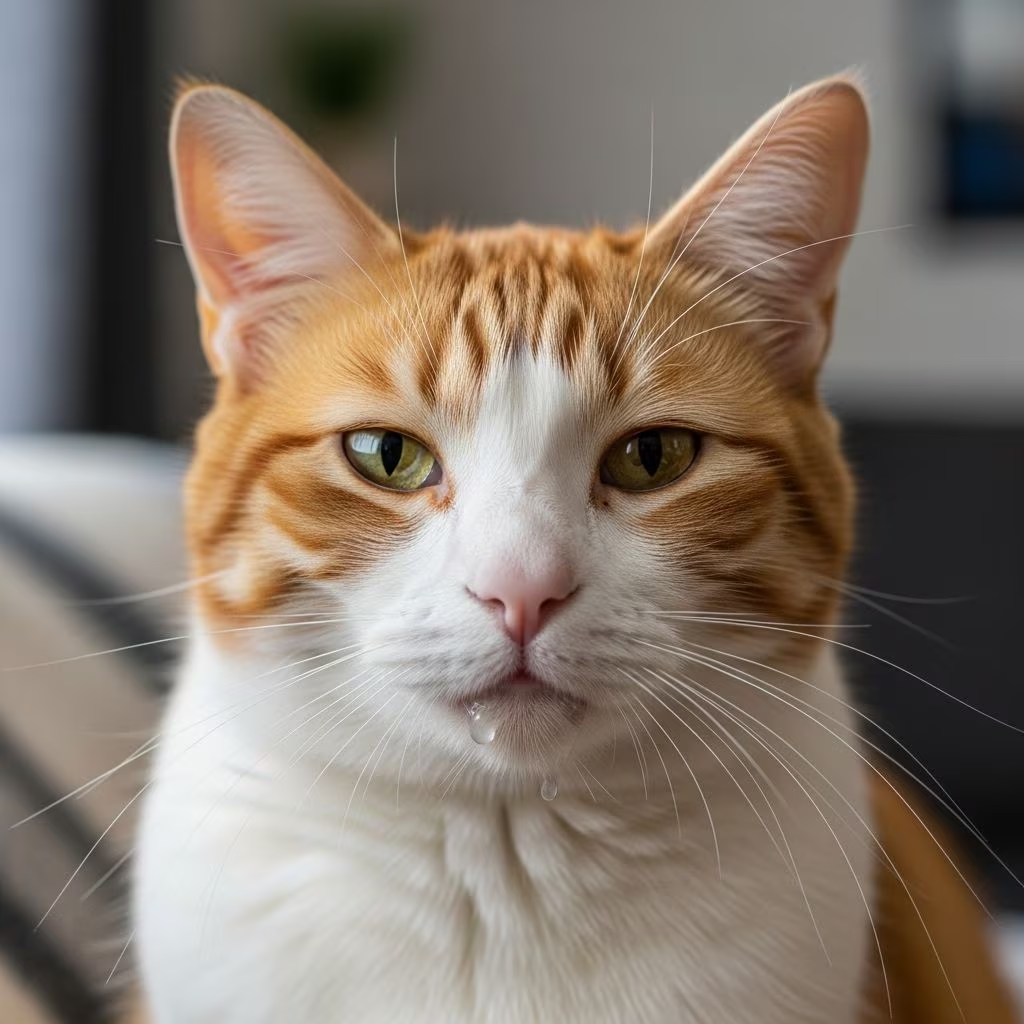
Cat drooling, or excessive salivation, can range from a harmless sign of contentment to a symptom of serious health problems. While some cats drool when purring happily, persistent drooling often indicates underlying issues like dental pain, nausea, or toxin exposure. Understanding the difference helps cat owners decide when to monitor at home and when to rush to the vet.
Is Cat Drooling Normal?
Yes, drooling is normal in certain situations for cats. Many cats drool when extremely relaxed, such as during petting sessions or kneading on soft surfaces. This “happy drool” stems from the same pleasure centers activated during purring and is typically brief, clear saliva without other symptoms. However, if drooling is excessive, one-sided, bloody, or paired with bad breath, pawing at the mouth, or appetite loss, it signals a problem requiring attention.
- Normal drooling triggers: Contentment from chin rubs, warmth from laps, or catnip exposure.
- Abnormal signs: Sudden onset, foul odor, difficulty swallowing, or lethargy.
Common Causes of Cat Drooling
Drooling in cats arises from various triggers, broadly categorized into benign, painful, systemic, and environmental factors. Dental issues top the list, affecting up to 70% of cats over age three. Other causes include nausea, infections, toxins, and stress. Identifying patterns through observation is key.
Dental and Oral Problems
The leading cause of excessive drooling is oral pain from dental disease. Periodontal disease, gingivitis, tooth resorption, fractures, or stomatitis inflame gums and tissues, making swallowing painful and stimulating saliva overproduction.
- Gingivitis/Periodontitis: Plaque buildup leads to inflamed, bleeding gums.
- Abscesses or fractured teeth: Infections or trauma cause pus and swelling.
- Stomatitis: Severe mouth inflammation, often immune-mediated, preventing normal eating.
- Oral ulcers or tumors: Painful sores from burns, infections, or growths.
Symptoms include bad breath (halitosis), pawing at mouth, dropped food, and visible tartar. Untreated, these progress to bone loss and systemic infections.
Nausea and Gastrointestinal Issues
Cats drool when nauseous, often from stomach upset, hairballs, dietary changes, kidney disease, or motion sickness. Toxin buildup in chronic illnesses like renal failure triggers excess saliva as a reflex.
- Hairballs or constipation blocking digestion.
- Kidney/liver disease causing uremia.
- Car rides or new foods upsetting the gut.
Accompanying vomiting, diarrhea, or appetite loss heightens concern.
Toxins and Poison Exposure
Curious cats ingest household dangers like lilies, antifreeze, cleaning products, pesticides, or human meds, irritating the mouth, esophagus, or inducing nausea. Lilies are highly toxic, causing oral burns and drooling within hours. Chemical burns lead to ulcers; systemic poisons like antifreeze provoke heavy salivation.
- Plants: Lilies, azaleas, philodendrons.
- Chemicals: Cleaners, rodenticides.
- Other: Onions, chocolate, certain meds.
Immediate vet contact is critical; call Pet Poison Helpline at 855-764-7661 if suspected.
Upper Respiratory Infections and Breathing Issues
Viral or bacterial URIs (e.g., feline calicivirus, herpesvirus) cause nasal congestion, forcing mouth breathing and drooling. Excess mucus, coughing, or asthma exacerbates this. Symptoms: sneezing, eye discharge, fever.
Trauma, Foreign Objects, and Neurological Issues
Stuck debris, mouth injuries from fights/chewing cords, or jaw fractures hinder swallowing. Neurological disorders like dysphagia impair saliva control. Heatstroke prompts panting/drooling to cool down.
Stress, Medication, or Pleasure
Rarely, anxiety from environment changes or meds causes drooling. Conversely, extreme pleasure (purring bliss) is benign.
When to Worry About Cat Drooling
Monitor casual drooling during naps or cuddles, but act if:
- Sudden or profuse, especially bloody/fetid saliva.
- Pawing mouth, facial swelling, breathing distress.
- Refusal to eat, vomiting, lethargy, or disorientation.
- One-sided drooling suggesting abscess or nerve damage.
Emergencies include toxin signs, allergic reactions, or trauma with swelling. Puppies/kittens drool less commonly but warrant same vigilance.
Diagnosing Cat Drooling Causes
Vets start with history: onset, diet, environment, toxins. Physical exams focus on oral cavity under sedation for thorough inspection. Diagnostics include:
| Test | Purpose |
|---|---|
| Bloodwork | Detect kidney/liver issues, infections. |
| X-rays/Dental Films | Reveal abscesses, fractures, tumors. |
| Cultures/Biopsies | Identify infections or cancer. |
| Endoscopy | Visualize esophagus/stomach. |
Observe home clues like plant-chewing or new cleaners.
Treatment for Excessive Drooling in Cats
Tailored to cause:
- Dental: Professional cleaning, extractions, antibiotics, pain meds. Stomatitis may need tooth removal.
- Toxins: Decontamination (induce vomiting/fluids), anti-nausea, monitoring.
- Infections/Na nausea: Antibiotics, antivirals, fluids, diet changes.
- Trauma/Foreign Bodies: Removal, surgery, pain management.
- Systemic: Manage underlying disease (e.g., kidney support).
Recovery involves soft foods, follow-ups. Prognosis excels with early intervention.
Preventing Drooling in Cats
Proactive steps reduce risks:
- Daily toothbrushing with cat-safe paste; dental diets/treats.
- Annual vet dental checks, especially seniors.
- Secure toxins/plants; use pet-safe cleaners.
- Balanced diet, hairball remedies, hydration fountains.
- Stress reduction via enrichment, pheromones.
- Vaccinations for URIs; parasite control.
Regular wellness exams catch issues early.
Frequently Asked Questions (FAQs)
Why is my cat drooling and purring?
This is usually happy drooling from pleasure. If persistent or with other signs, check for dental pain.
Is cat drooling a sign of poisoning?
Yes, especially sudden with vomiting. Contact vet/Poison Helpline immediately.
How do I stop my cat from drooling?
Treat underlying cause via vet. Home dental care prevents many cases.
Should I worry if my cat drools while eating?
Yes, indicates oral pain like gingivitis. Schedule dental exam.
Can stress cause drooling in cats?
Rarely, but anxiety triggers it. Minimize changes; use calming aids.
References
- Excessive Drooling in Cats: Causes, Concerns, and Treatments — Loveland Regional Animal Hospital. 2023. https://lovelandregional.com/blog/excessive-drooling-in-cats/
- Is Your Cat Drooling? Uncover the Reasons and Solutions — Central Kentucky Veterinary Services. 2024-12-26. https://centralkentuckyvet.com/2024/12/26/is-your-cat-drooling-uncover-the-reasons-and-solutions/
- Drooling Dilemma: Is Your Cat’s Saliva Cause for Concern? — Peak Pet Urgent Care. 2024. https://peakpeturgentcare.com/drooling-dilemma-is-your-cats-saliva-cause-for-concern/
- Is Your Cat Drooling? Discover the Causes and Solutions — Cane Bay Vet Clinic. 2024. https://canebayvetclinic.com/is-your-cat-drooling-discover-the-causes-and-solutions/
- Why Is My Cat Drooling? — PetMD. 2024. https://www.petmd.com/cat/symptoms/why-my-cat-drooling
- Drooling in Cat: When to Worry — WellPets Animal Dental Care. 2024. https://www.wellpets.com/blog/when-should-you-worry-about-your-cat-drooling/



