

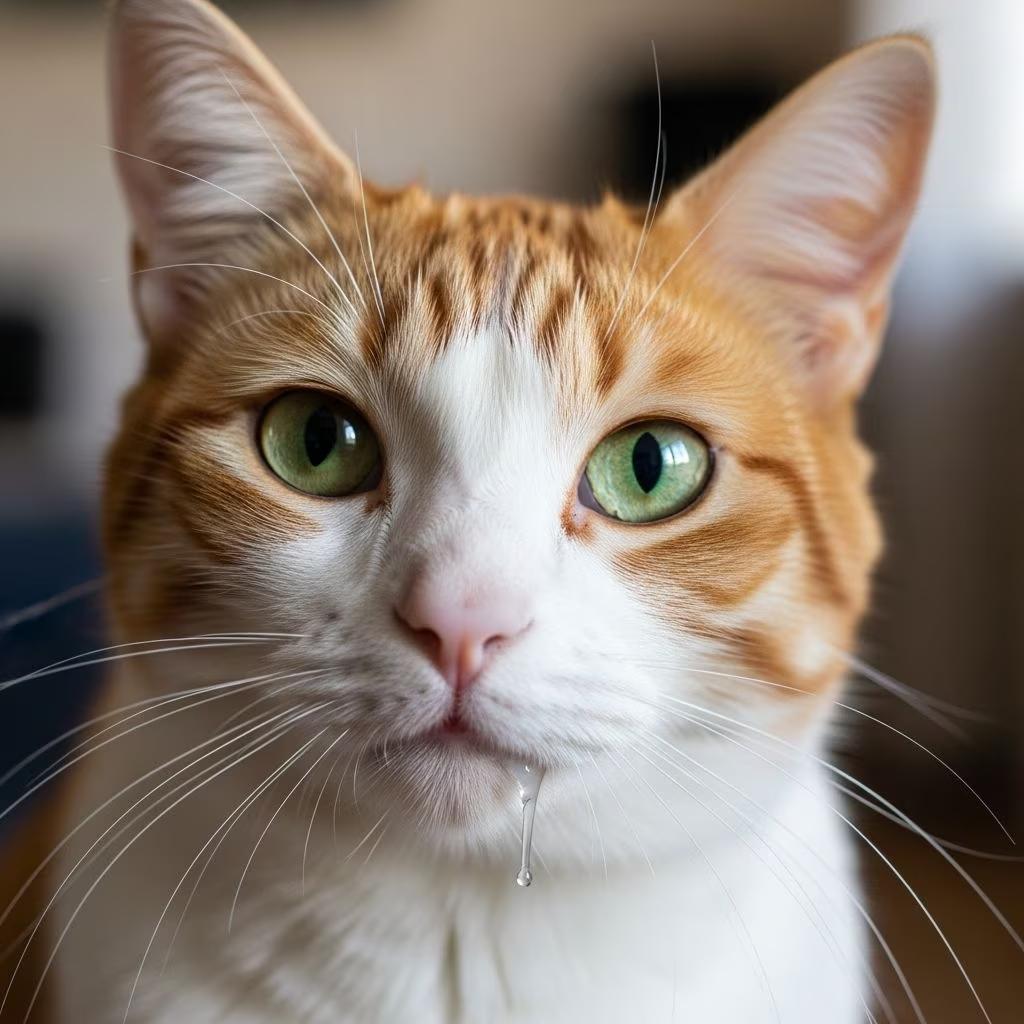
Cats occasionally produce saliva, but noticeable drooling can signal underlying issues. While a bit of drool during purring or contentment is harmless, persistent or sudden excessive salivation warrants attention to rule out health concerns.
Understanding Feline Salivary Glands and Drooling Basics
Cats possess salivary glands that aid digestion and maintain oral moisture. Under normal circumstances, they swallow saliva efficiently. However, factors disrupting this process lead to visible drooling, known as ptyalism. This response explores common triggers, symptoms, and management strategies based on veterinary insights.
Primary Dental and Oral Health Culprits
Dental problems top the list of drooling causes in cats, affecting up to 70% of felines over age three. Pain from these issues prompts excess saliva as cats struggle to groom or eat.
- Gingivitis and Periodontal Disease: Bacterial buildup leads to gum inflammation, tartar accumulation, and potential tooth loss, causing discomfort and drooling.
- Tooth Abscesses and Fractures: Infections or trauma result in pus-filled swellings or broken teeth, making mouth closure painful.
- Stomatitis and Ulcers: Chronic inflammation or sores from infections/toxins irritate soft tissues, leading to profuse salivation.
Companion signs include halitosis, pawing at the mouth, and selective eating, often avoiding hard kibble. Regular dental check-ups prevent escalation.
Gastrointestinal Distress and Nausea Signals
Nausea triggers drooling as a reflexive response, similar to humans. Cats with stomach upset produce saliva to protect the esophagus from potential vomit.
- Hairballs, dietary indiscretions, or infections irritate the gut.
- Chronic conditions like kidney disease build toxins, inducing queasiness.
Observe for vomiting, appetite loss, or lethargy alongside drool. Motion sickness during travel also provokes this.
Toxins and Irritants: Environmental Hazards
Curious cats ingest poisons, causing immediate oral irritation or systemic nausea. Common culprits include lilies, antifreeze, household cleaners, and human meds.
| Toxin Type | Effects Leading to Drooling | Action Steps |
|---|---|---|
| Plants (e.g., lilies) | Oral burns, nausea | Remove access; vet immediately |
| Chemicals (cleaners) | Mouth ulcers, salivation surge | Induce vomiting only if vet-directed |
| Medications | Nervous system stimulation | Contact poison hotline |
If poisoning is suspected, call a pet poison hotline promptly, as delays can be fatal.
Respiratory and Infectious Contributors
Upper respiratory infections (URIs) from viruses/bacteria cause nasal congestion, forcing mouth breathing and drool. Symptoms like sneezing, discharge, and coughing accompany this. Feline calicivirus or herpesvirus often underlies URIs.
Asthma exacerbations produce mucus, indirectly leading to saliva buildup. Prompt antibiotics or antivirals resolve most cases.
Stress, Heat, and Neurological Factors
- Anxiety: Environmental changes or vet visits spike stress hormones, prompting temporary drooling.
- Heatstroke: Overheating causes panting and saliva evaporation attempts. Provide cool water and shade.
- Neurological Issues: Dysphagia or nerve damage impairs swallowing.
Less Common but Serious Conditions
Oral tumors obstruct swallowing, while liver/kidney failure manifests as drool with weight loss. Trauma from fights or falls injures jaws/teeth. Foreign objects like string lodge painfully.
Recognizing When Drooling Demands Urgent Care
Not all drooling requires panic, but these red flags do:
- Blood-tinged saliva or facial swelling.
- Refusal to eat/drink for 24+ hours.
- Lethargy, vomiting, or breathing distress.
- Sudden onset post-toxin exposure.
Monitor for 24 hours if mild and isolated; otherwise, seek vet evaluation.
Veterinary Diagnosis: Step-by-Step Process
Vets start with history-taking on diet, behavior, and environment. Physical exams focus on oral inspection under sedation if needed. Diagnostics include:
- Bloodwork for organ function/toxins.
- X-rays/dental charts for hidden abscesses.
- Cultures for infections.
Early detection improves outcomes dramatically.
Treatment Options Tailored to Causes
Therapies vary:
- Dental: Cleanings, extractions, antibiotics.
- Infections: Meds like antivirals.
- Nausea: Antiemetics, fluids.
- Toxins: Decontamination, supportive care.
Surgery addresses tumors/trauma.
Preventive Strategies for Drool-Free Living
- Daily toothbrushing with pet-safe paste.
- Dental diets/toys reducing plaque.
- Toxin-proof your home (ASPCA plant list).
- Annual vet dental exams.
- Stress reduction via pheromones/enrichment.
Consistent care minimizes risks.
Home Monitoring and First Aid Tips
Check mouths weekly for redness/tartar. For suspected foreign objects, avoid DIY removal—risks injury. Keep vet contacts handy.
FAQs on Cat Drooling
Is occasional drooling normal in cats?
Yes, during contentment or grooming, but excess isn’t.
How do I clean my cat’s teeth at home?
Use enzymatic toothpaste and finger brushes; start slow.
Can diet cause drooling?
Sudden changes or allergies can trigger nausea-related drool.
What if my cat drools blood?
Emergency vet visit—indicates injury or severe disease.
Does breed affect drooling likelihood?
Brachycephalic breeds (e.g., Persians) drool more due to anatomy.
References
- Is Your Cat Drooling? Uncover the Reasons and Solutions! — Central Kentucky Vet. 2024-12-26. https://centralkentuckyvet.com/2024/12/26/is-your-cat-drooling-uncover-the-reasons-and-solutions/
- Excessive Drooling in Cats: Causes, Concerns, and Treatments — Loveland Regional Animal Hospital. N/A. https://lovelandregional.com/blog/excessive-drooling-in-cats/
- Why is My Cat Drooling So Much? — Harlingen Veterinary Clinic. N/A. https://harlingenveterinaryclinic.com/blog/why-is-my-cat-drooling-so-much/
- Drooling Dilemma: Is Your Cat’s Saliva Cause for Concern? — Peak Pet Urgent Care. N/A. https://peakpeturgentcare.com/drooling-dilemma-is-your-cats-saliva-cause-for-concern/
- Why Is My Cat Drooling? — PetMD. N/A. https://www.petmd.com/cat/symptoms/why-my-cat-drooling
- Drooling in cats — PDSA. N/A. https://www.pdsa.org.uk/pet-help-and-advice/pet-health-hub/symptoms/drooling-in-cats



