

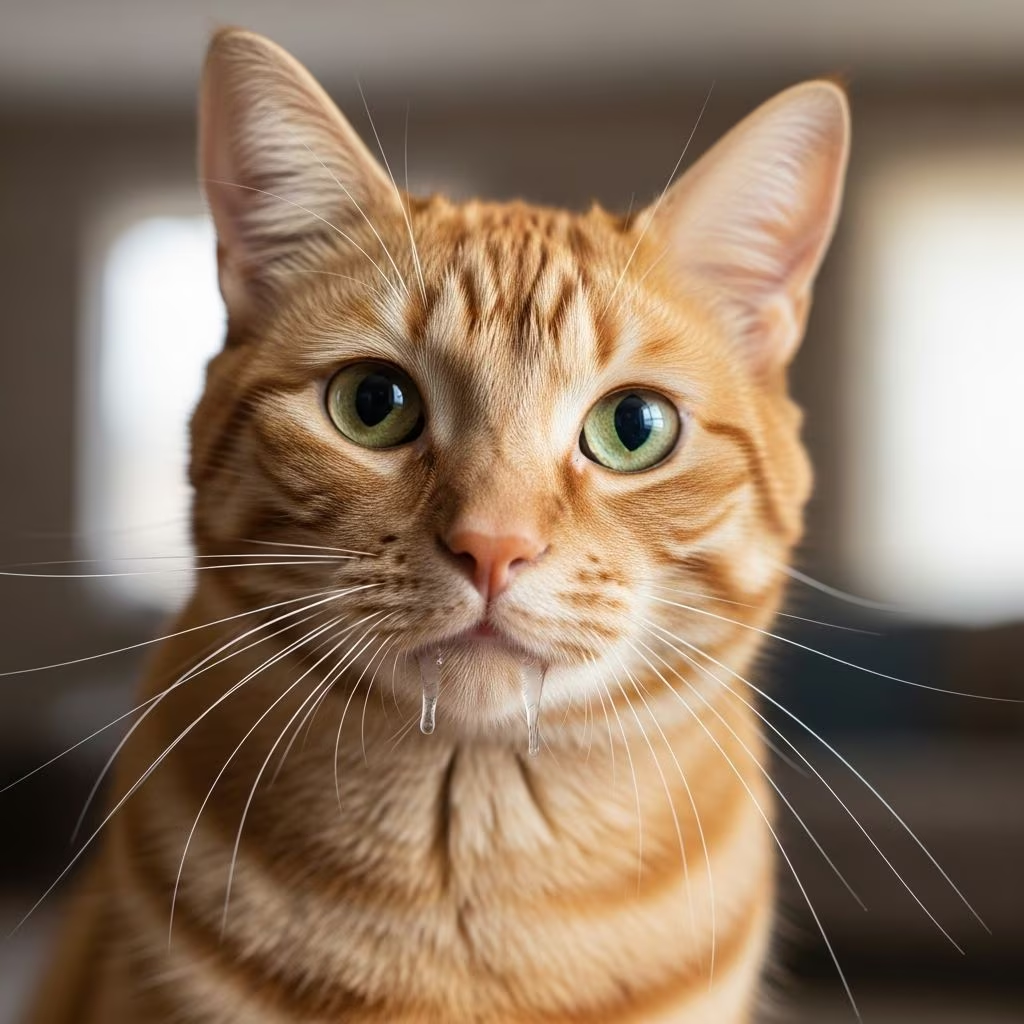
Understanding Cat Drooling: When Is It Normal?
Drooling in cats is not always a cause for concern. While excessive salivation can indicate underlying health problems, some cats naturally drool more than others, particularly when they are extremely content and relaxed. Just as cats purr to express contentment, some felines may drool slightly when they are in a state of deep pleasure or satisfaction. However, it is essential to understand the difference between normal, occasional drooling and persistent or excessive drooling that may warrant veterinary attention.
Understanding the root cause of your cat’s drooling is crucial for ensuring their health and wellbeing. If you notice a sudden increase in drooling or if it is accompanied by other symptoms, it is time to investigate further. This comprehensive guide will help you identify the various causes of cat drooling and determine when professional veterinary care is necessary.
Common Causes of Cat Drooling
Dental and Oral Health Issues
The most common cause of excessive drooling in cats is related to dental and oral health problems. These conditions can range from minor inflammation to severe infections, all of which can trigger increased saliva production as the body attempts to cope with the discomfort.
- Periodontal Disease and Gingivitis: Inflammation of the gums and deeper dental structures causes significant discomfort and can lead to excessive saliva production. Periodontal disease develops when plaque and tartar accumulate on the teeth, causing infection and inflammation of the surrounding tissues.
- Tooth Abscesses: These painful infections at the root of a tooth cause swelling and discomfort, stimulating excessive drooling.
- Resorptive Lesions: These painful tooth lesions develop when the body begins to break down and reabsorb tooth structure, leading to pain and drooling.
- Fractured or Broken Teeth: Trauma to the mouth, such as a broken tooth or jaw, causes pain and makes it difficult for your cat to close its mouth properly, resulting in drooling.
- Stomatitis: Severe inflammation of the soft tissues in the mouth can make eating and even closing the mouth difficult, leading to excessive salivation.
- Oral Ulcers: Toxic substances, burns, or infections can lead to painful ulcers in the mouth, prompting drooling as the body reacts to the irritation.
Signs that your cat may be suffering from dental or oral issues include bad breath, pawing at the mouth, refusal to eat or difficulty chewing, swollen gums, and visible tartar buildup. If you notice any of these signs combined with drooling, dental disease is likely the culprit.
Nausea and Gastrointestinal Issues
Drooling can be a sign that your cat is experiencing nausea or gastrointestinal upset. When cats feel queasy, they often begin to drool as a physiological response to their discomfort.
- Hairballs: When cats groom themselves, they swallow hair that can accumulate in the stomach, causing nausea and drooling.
- Gastrointestinal Infections: Bacterial or viral infections in the digestive tract can cause nausea and increased saliva production.
- Dietary Changes: Sudden changes to your cat’s diet can upset their stomach and trigger nausea-related drooling.
- Motion Sickness: Some cats experience motion sickness, especially when confined in a carrier during car rides, leading to nausea, drooling, and vomiting.
- Kidney Disease: This systemic condition can cause a buildup of toxins in the blood, leading to nausea and drooling.
- Liver Disease: Similar to kidney disease, liver dysfunction can cause drooling along with weight loss and lethargy.
Additional symptoms accompanying nausea-related drooling include vomiting, loss of appetite, and lethargy.
Toxin and Poison Exposure
Cats are naturally curious creatures, and they may accidentally come into contact with or ingest toxic substances that trigger excessive drooling. Many household items are toxic to cats and should be kept out of reach.
- Toxic Plants: Certain houseplants such as lilies, azaleas, philodendrons, and other varieties are poisonous to cats. If ingested, these plants can cause irritation and inflammation in the mouth and gastrointestinal tract, leading to drooling and other health concerns.
- Household Chemicals: Cleaning products, pesticides, and other chemical toxins can cause oral or esophageal ulceration through chemical burns, leading to drooling. Additionally, ingestion of these substances can cause systemic toxicity.
- Medications: Certain human medications and veterinary drugs can cause drooling as a side effect or through toxin exposure.
- Antifreeze and Other Substances: Antifreeze and similar toxic substances can induce nausea and salivation as the body reacts to the poison.
If you suspect your cat has ingested a toxin, it is extremely important to seek emergency veterinary care immediately. Time is critical in preventing lasting damage to your cat’s health.
Upper Respiratory Infections
Upper respiratory infections, caused by viruses or bacteria, can trigger drooling in cats. When a cat has a respiratory infection, it may experience nasal congestion and discharge, making it difficult to breathe through the nose. Consequently, the cat may breathe through its mouth, leading to drooling. Additional symptoms may include sneezing, nasal discharge, coughing, and difficulty breathing.
Mouth Injuries and Foreign Objects
Physical trauma to the mouth or the presence of foreign objects can cause pain and excessive salivation. Cats may suffer mouth injuries from various sources, including:
- Cuts, burns, or abrasions inside the mouth
- Foreign objects lodged in the mouth or throat, causing irritation and discomfort
- Head or mouth trauma from accidents such as being hit by a vehicle or fighting with another animal
- Chewing on electrical cords, which can cause severe burns
Other Medical Conditions
Several other health conditions can cause cats to drool excessively.
- Asthma: Cats with asthma may experience difficulty breathing, wheezing, and coughing, which can sometimes result in drooling, especially if excess mucus is produced.
- Neurological Disorders: Conditions affecting the nerves responsible for swallowing, such as dysphagia or nerve damage, can make swallowing saliva difficult and result in drooling.
- Oral Tumors: Though less common, growths in the mouth can prevent cats from swallowing normally, causing drool to accumulate.
- Heat Stroke: During hot weather, if a cat is exposed to high temperatures without proper ventilation or water access, it may suffer from heatstroke. The cat may pant and drool excessively as it tries to cool itself down.
- Stress and Anxiety: Environmental changes and stress can sometimes trigger excessive drooling in cats.
When Should You Worry About Your Cat’s Drooling?
While occasional drooling is often harmless, persistent or excessive drooling can signal an underlying health issue that requires attention. Understanding the warning signs is essential for protecting your cat’s health.
Signs That Require Veterinary Attention
You should consult a veterinarian if your cat exhibits the following:
- Sudden onset of excessive drooling that represents a change from your cat’s normal behavior
- Drooling accompanied by bad breath, which often indicates dental disease
- Loss of appetite or difficulty chewing, suggesting pain or oral discomfort
- Facial swelling or difficulty breathing, which may indicate allergic reactions or airway obstruction
- Pawing at the mouth, indicating mouth pain or discomfort
- Vomiting or signs of gastrointestinal distress
- Lethargy or weight loss, suggesting systemic illness
- Blood-tinged saliva, which may indicate oral injury or severe infection
Emergency Situations
Cat drooling becomes a veterinary emergency when it appears suddenly and is accompanied by certain symptoms. Seek immediate emergency care if your cat displays:
- Facial swelling that may indicate allergic reaction or infection
- Breathing difficulties or wheezing
- Severe pawing at the mouth
- Vomiting
- Signs of disorientation or neurological distress
Allergic reactions can progress rapidly and affect airways, making quick veterinary intervention crucial. If your cat shows symptoms after exposure to a new environment, food, or medication, seek veterinary care immediately.
Diagnosing the Cause of Excessive Drooling
If your cat is drooling excessively, a proper diagnosis is essential to determine the underlying cause and appropriate treatment. Your veterinarian will use various diagnostic tools and methods to identify the problem.
Initial Examination
Your vet will begin by performing a thorough physical examination, with particular focus on the oral cavity. They will also ask about your cat’s recent behavior, diet, environmental changes, and any other symptoms you have observed. Providing detailed information about when the drooling started and any accompanying symptoms will help your veterinarian narrow down the possibilities.
Diagnostic Tests
Depending on the preliminary findings, your veterinarian may recommend further diagnostic tests, which may include:
- Blood Work: Blood tests can identify infections, kidney disease, liver disease, and other systemic conditions.
- X-rays: Radiographs can reveal dental problems, foreign objects, jaw fractures, or lung issues.
- Oral Examination: A detailed examination of the mouth, teeth, and gums may be performed under sedation to thoroughly assess dental health.
- Additional Imaging: In some cases, ultrasound or other advanced imaging may be necessary to evaluate internal organs.
Treatment Options for Cat Drooling
Treatment for excessive drooling varies significantly depending on the underlying cause. Your veterinarian will develop a treatment plan tailored to address the specific condition triggering your cat’s excessive salivation.
Dental and Oral Treatment
If drooling results from dental issues, your veterinarian may suggest:
- Professional dental cleaning to remove plaque and tartar buildup
- Tooth extraction if the tooth is severely damaged, infected, or cannot be salvaged
- Medications to address infections or alleviate pain and inflammation
- Antibiotics if bacterial infection is present
Management of Toxin Exposure
In cases involving toxin exposure, treatment may include:
- Decontamination procedures to remove toxins from the mouth and digestive system
- Medications to soothe the mouth and protect irritated tissues
- Fluids to flush toxins from the body and support kidney function
- Activated charcoal or other binding agents to prevent toxin absorption
Gastrointestinal and Nausea Management
Gastrointestinal issues can be managed through:
- Dietary changes, including prescription diets designed for sensitive stomachs
- Medications to reduce nausea and support digestive health
- Supplements recommended by your veterinarian
- Anti-nausea medications and supportive care
Treatment for Trauma and Injuries
Depending on the severity of mouth trauma, treatment may involve:
- Surgical repair of fractured jaws or severe injuries
- Pain management medications
- Wound care and monitoring for infection
Foreign Object Removal
If a foreign object is lodged in your cat’s mouth or throat, immediate veterinary intervention is necessary to prevent aspiration or infection.
Recovery and Prevention
Recovery from excessive drooling depends on addressing the underlying cause and implementing preventive measures. Ensuring your cat receives regular dental care and maintaining a balanced diet are crucial steps in preventing future issues.
Preventive Measures
To help prevent drooling and associated health problems:
- Schedule regular dental examinations and professional cleanings as recommended by your veterinarian
- Brush your cat’s teeth daily if possible, or several times per week at minimum
- Provide a balanced, high-quality diet appropriate for your cat’s age and health status
- Keep toxic plants, chemicals, and medications out of your cat’s reach
- Maintain a stress-free environment and provide environmental enrichment
- Ensure your cat has access to fresh water at all times, especially during warm weather
- Keep your cat’s living area well-ventilated and at a comfortable temperature
- Monitor your cat for any changes in behavior or health and report them to your veterinarian
Frequently Asked Questions About Cat Drooling
Q: Is it normal for cats to drool?
A: Occasional light drooling can be normal, especially when cats are content or relaxed. However, sudden or excessive drooling may indicate an underlying health problem and warrants veterinary evaluation.
Q: What does it mean if my cat is drooling excessively?
A: Excessive drooling can indicate various health issues, including dental disease, oral infections, gastrointestinal problems, toxin exposure, respiratory infections, or neurological conditions. A veterinary examination is necessary to determine the cause.
Q: Can stress cause a cat to drool?
A: Yes, anxiety or stress resulting from environmental changes can sometimes cause excessive drooling in cats. However, stress-related drooling is less common than drooling caused by medical conditions.
Q: What should I do if my cat drools after eating a plant?
A: If you suspect your cat has ingested a toxic plant, contact your veterinarian immediately or call the Pet Poison Helpline at 855-764-7661. Quick action can prevent serious health complications.
Q: When is cat drooling a veterinary emergency?
A: Seek emergency care if drooling is accompanied by facial swelling, difficulty breathing, severe pawing at the mouth, vomiting, or signs of neurological distress. These symptoms may indicate life-threatening conditions requiring immediate intervention.
Q: How can I prevent dental disease in my cat?
A: Regular dental care is essential for prevention. This includes brushing your cat’s teeth regularly, scheduling professional dental cleanings with your veterinarian, providing a balanced diet, and monitoring your cat for signs of dental problems.
Q: Can medications cause cats to drool?
A: Yes, certain medications and chemical exposures can cause drooling as a side effect or through toxin reactions. If you suspect medication is causing drooling, consult your veterinarian about alternative options.
References
- Excessive Drooling in Cats: Causes, Concerns, and Treatments — Loveland Regional Veterinary Medical Center. 2024. https://lovelandregional.com/blog/excessive-drooling-in-cats/
- Is Your Cat Drooling? Uncover the Reasons and Solutions — Central Kentucky Veterinary Clinic. 2024-12-26. https://centralkentuckyvet.com/2024/12/26/is-your-cat-drooling-uncover-the-reasons-and-solutions/
- Drooling Dilemma: Is Your Cat’s Saliva Cause for Concern? — Peak Pet Urgent Care. 2024. https://peakpeturgentcare.com/drooling-dilemma-is-your-cats-saliva-cause-for-concern/
- Is Your Cat Drooling? Discover the Causes and Solutions — Cane Bay Veterinary Clinic. 2024. https://canebayvetclinic.com/is-your-cat-drooling-discover-the-causes-and-solutions/
- Why Is My Cat Drooling? — PetMD. 2024. https://www.petmd.com/cat/symptoms/why-my-cat-drooling
- Drooling in Cat: When to Worry — Well Pets Animal Dental Care. 2024. https://www.wellpets.com/blog/when-should-you-worry-about-your-cat-drooling/
- Cat Drooling: Is It a Veterinary Emergency? — Golden State Veterinary Specialties. 2024. https://gsvs.org/blog/cat-drooling-emergency/



