

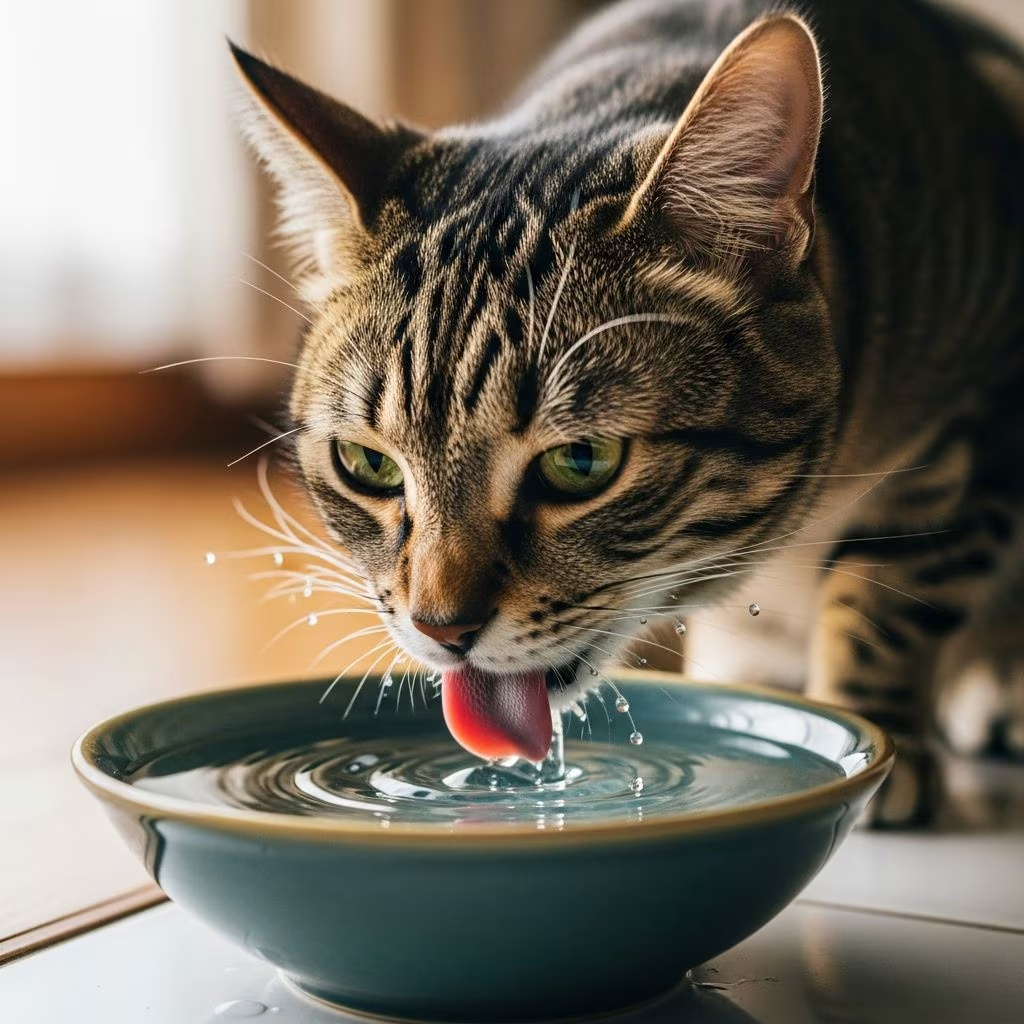
Observing your cat lapping up water more frequently than usual can raise alarm bells for any pet owner. This behavior, known medically as polydipsia, typically means a cat is consuming beyond the normal 10-30 ml per pound of body weight daily. While occasional upticks might tie to benign factors like hotter weather, persistent changes often point to underlying health concerns that demand attention.
Recognizing Normal vs. Abnormal Thirst Patterns
Cats derive much hydration from food, especially wet varieties with up to 80% moisture content, reducing their need to drink directly from bowls. A shift to dry kibble naturally boosts water intake since it offers minimal hydration. Track intake by measuring daily water disappearance, accounting for spills or multiple cats sharing bowls. If consumption doubles or triples without clear triggers, veterinary evaluation becomes essential.
- Normal: 50-100 ml/day for a 10-lb cat on mixed diet.
- Abnormal: Over 200 ml/day without environmental justification.
Primary Medical Culprits Behind Excessive Thirst
Several conditions disrupt a cat’s fluid balance, prompting compensatory drinking. Senior cats, particularly those over 10 years, face heightened risks as organ functions wane.
Chronic Kidney Disease: The Leading Suspect
Chronic kidney disease (CKD), also called chronic renal failure, tops the list for causing polydipsia, impacting 40% of cats aged 10+ and 80% over 15. Failing kidneys lose the ability to concentrate urine, flushing out excess water alongside waste. This leads to frequent urination (polyuria) and subsequent thirst to combat dehydration. Additional signs include weight loss, vomiting, poor appetite, and an ammonia-tinged breath odor.
Early detection via bloodwork and urinalysis allows interventions like dietary phosphorus restriction, fluid therapy, and medications to slow progression.
Diabetes Mellitus: Sugar Imbalance Triggers
In diabetes mellitus, insufficient insulin production causes blood glucose spikes. Excess sugar spills into urine, dragging water molecules along and diluting it. Cats drink voraciously to offset losses, often paired with larger urine volumes and unexplained weight loss despite normal eating. Overweight cats carry higher risk; management involves insulin injections, dietary overhaul, and glucose monitoring, with some achieving remission through weight control.
Hyperthyroidism: Overactive Thyroid Glands
Common in middle-aged to senior cats, hyperthyroidism results from thyroid hormone overproduction, revving metabolism and straining organs like the heart. Thirst escalates alongside increased urination, ravenous hunger, hyperactivity, vocalizing, and matted coat from poor grooming. Untreated, it leads to severe complications; treatments range from medication to radioactive iodine therapy.
| Condition | Prevalence in Seniors | Key Symptoms Beyond Thirst |
|---|---|---|
| CKD | 80% over 15 years | Weight loss, vomiting, bad breath |
| Diabetes | Common in obese cats | Weight loss, large urine clumps |
| Hyperthyroidism | Middle-aged+ | Hunger, hyperactivity, heart issues |
Less Common but Critical Health Issues
Urinary Tract Infections and Blockages
UTIs provoke inflammation, urging cats to drink more while straining to urinate small, bloody amounts. Females are prone, but males risk life-threatening blockages requiring emergency care. Antibiotics resolve most cases, but prompt diagnosis prevents escalation.
Endocrine Disorders and Liver Problems
Diabetes insipidus impairs antidiuretic hormone function, preventing kidney water reabsorption. Liver disease and high blood calcium (hypercalcemia) also induce polydipsia, often with appetite loss or jaundice. Cushing’s disease, rarer in cats, mimics some effects via cortisol excess.
Medication Influences
Steroids and diuretics, prescribed for various ailments, commonly boost thirst as a side effect. This normalizes post-treatment; consult vets on alternatives if persistent.
Non-Medical Triggers: Lifestyle and Environment
Not every thirst surge spells illness. Evaluate these before panicking.
- Diet Shifts: Switching to saltier or drier foods demands more water.
- Climate Factors: Heat waves or low humidity prompt cooling via increased fluid intake.
- Activity Surges: Playful cats lose fluids through panting.
- Stress Responses: New pets, moves, or noises soothe anxious cats via repetitive drinking.
Step-by-Step Home Monitoring Guide
Quantify the issue: Place measured water in a bowl, note twice-daily levels, and log alongside urine output via litter observations. Weigh your cat weekly; photograph litter clumps for size trends. Note coat quality, energy, and appetite. Apps or journals streamline data for vet shares.
- Measure baseline water for 3 days.
- Observe litter: Frequency and volume.
- Track weight and behavior changes.
- Video unusual actions like pacing or yowling.
When to Rush to the Vet
Seek immediate care if thirst accompanies lethargy, collapse, straining without output, blood in urine, or rapid decline. For gradual onset in seniors, schedule within 24-48 hours for blood panels, urinalysis, and possibly imaging. Early intervention dramatically improves outcomes for CKD, diabetes, and thyroid issues.
Diagnostic Approaches Vets Use
Vets start with history and physical exams, followed by:
- Blood tests for kidney values (BUN, creatinine), glucose, thyroid (T4).
- Urinalysis for concentration, infection, glucose.
- Imaging or biopsies for advanced cases.
Specificity guides therapy: Insulin for diabetes, methimazole for hyperthyroidism, fluids/subcutaneous injections for CKD.
Preventive Strategies for Feline Hydration Health
Proactive steps mitigate risks:
- Annual senior checkups (over 7 years).
- Balanced diet favoring renal-support formulas.
- Multiple fresh water sources, including fountains.
- Weight management to dodge diabetes.
- Stress reduction via routines and enrichments.
FAQs: Common Questions on Cat Thirst
Is it normal for older cats to drink more?
Some increase occurs with age due to mild kidney changes, but sharp rises warrant checks for CKD.
How much water should my cat drink daily?
Aim for 10-30 ml/lb, adjusted for diet; monitor deviations.
Can dry food alone cause this?
Yes, but pair with plenty of water access; consider mixing wet food.
What home remedies help thirsty cats?
Ensure cool, clean water; add low-sodium broths. Never self-medicate—vet first.
Does breed affect thirst levels?
No strong links, but Persians may drink less due to brachycephalic faces; all warrant monitoring.
Long-Term Management and Prognosis
Many conditions prove manageable. CKD cats thrive years on specialized diets and therapies; diabetic remission happens in 20-30% with strict protocols. Hyperthyroidism yields excellent responses to treatment. Regular monitoring sustains quality life, emphasizing vigilance pays off.
References
- Why is My Cat Drinking so Much? — Pet Health Network. 2023. https://www.pethealthnetwork.com/cat-health/cat-diseases-conditions-a-z/why-my-cat-drinking-so-much
- Why Is My Cat Drinking a Lot of Water? — MetLife Pet Insurance. 2024-01-15. https://www.metlifepetinsurance.com/blog/pet-health/cat-drinking-a-lot-of-water/
- Why Is My Cat Drinking a Lot of Water? — PetMD. 2024. https://www.petmd.com/cat/symptoms/why-my-cat-drinking-lot-water
- Increased Thirst and Drinking — International Cat Care. 2023-05-10. https://icatcare.org/articles/increased-thirst-and-drinking
- Why Is My Cat Drinking So Much Water? — Arrowhead Animal Hospital. 2024-02-20. https://arrowheadvets.com/blog/why-is-my-cat-drinking-so-much-water/
- Why is Your Cat Drinking Lots of Water? — Purina US. 2023-11-01. https://www.purina.com/articles/cat/health/symptoms/cat-drinking-a-lot-of-water



