

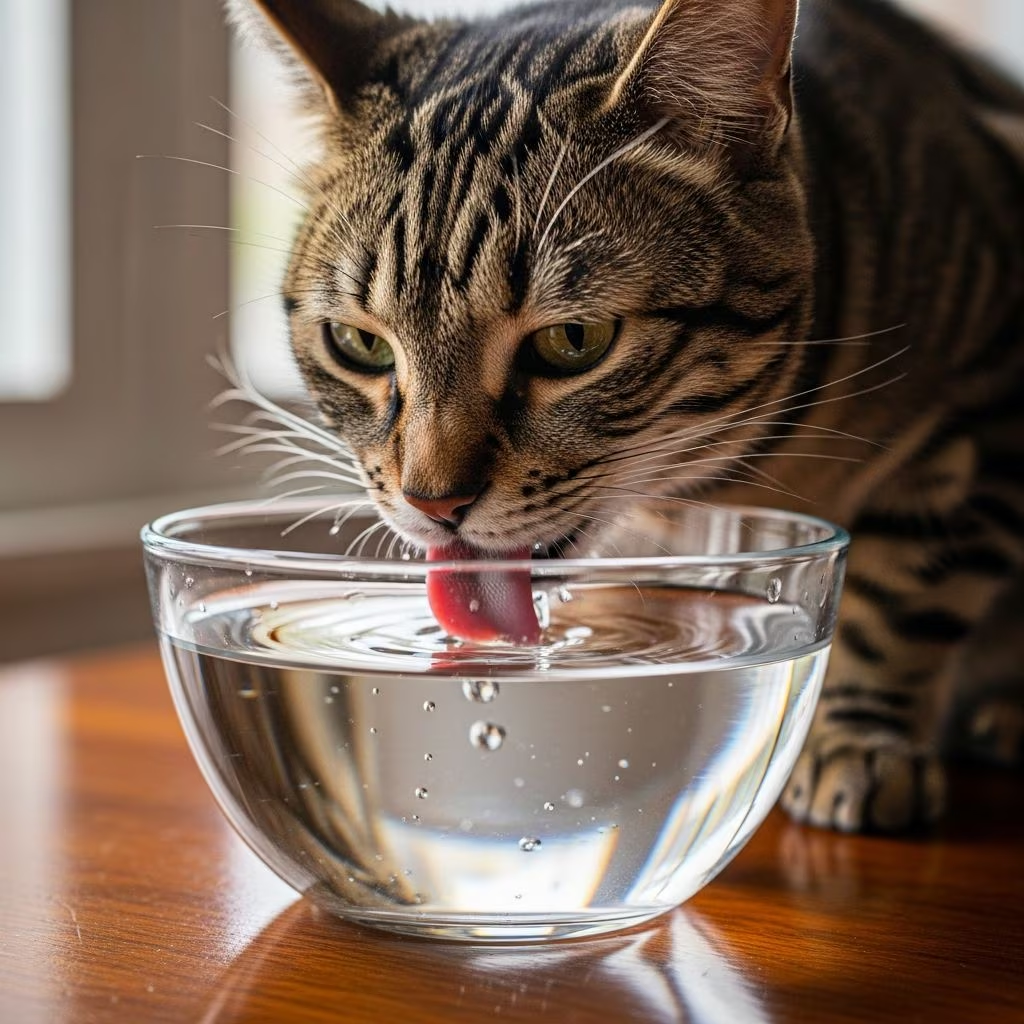
Observing your cat lapping up water more frequently than usual can raise concerns among pet owners. This behavior, known medically as polydipsia, often points to an underlying issue that warrants attention. While occasional increases might stem from harmless changes, persistent excessive drinking frequently signals health problems requiring veterinary evaluation. Understanding the spectrum of possibilities empowers owners to act swiftly.
Normal vs. Abnormal Water Intake in Cats
Cats typically consume 10-30 milliliters of water per pound of body weight daily, influenced by diet, activity, and environment. Wet food, with its high moisture content of up to 80%, reduces drinking needs compared to dry kibble. Track intake by measuring daily water disappearance from bowls. A sudden doubling or tripling—such as a 10-pound cat downing over a pint—demands investigation.
- Normal patterns: Steady consumption matching routine.
- Warning signs: Rapid bowl emptying, new puddles near bowls, or paired with frequent litter box use.
Top Medical Reasons for Increased Thirst
Several conditions disrupt a cat’s fluid balance, prompting compensatory drinking. Older cats, especially over 10 years, face heightened risks, with up to 40% developing chronic issues.
Chronic Kidney Disease: A Silent Threat
Chronic kidney disease (CKD) tops the list for senior cats, impairing the organs’ ability to concentrate urine and retain water. Affected cats urinate excessively (polyuria), dehydrate quickly, and drink more to compensate. Prevalence surges to 80% in cats over 15. Accompanying symptoms include:
- Gradual weight loss despite stable appetite.
- Vomiting episodes.
- Ammonia-scented breath from toxin buildup.
- Lethargy and poor coat condition.
Early bloodwork and urinalysis confirm CKD; management involves renal diets, fluids, and medications to extend life comfortably.
Diabetes Mellitus: Sugar Imbalance
In diabetes, high blood glucose spills into urine, dragging water along and causing polyuria-polydipsia. Overweight cats are prime candidates. Watch for:
- Ravenous hunger with weight loss.
- Weakness in hind legs.
- Sweet-smelling breath.
Diagnosis via blood glucose tests leads to insulin therapy; some cats achieve remission with weight control and diet.
Hyperthyroidism: Metabolic Overdrive
Overactive thyroid glands accelerate metabolism, boosting thirst alongside other effects. Common in middle-aged to senior cats, signs feature:
- Weight loss despite voracious eating.
- Restlessness or hyperactivity.
- Rapid heartbeat and panting.
- Diarrhea or vomiting.
Blood tests detect elevated hormones; treatments range from pills to surgery.
Urinary and Infectious Culprits
Urinary Tract Infections and Bladder Issues
Infections irritate the bladder, prompting more drinking to dilute urine and ease discomfort. Females are more prone, but all cats risk escalation to kidney involvement if ignored. Indicators:
- Frequent, strained litter visits.
- Blood-tinged urine.
- Accidents outside the box.
Antibiotics resolve most cases post-urine culture.
Other Infections and Inflammatory Conditions
Pyelonephritis (kidney infections) or cystitis mimic CKD symptoms, blending thirst with pain.
Less Common but Serious Conditions
Beyond primaries, consider hypercalcemia (high blood calcium), liver disease, or rare diabetes insipidus—where kidneys ignore water-retaining hormones. These demand comprehensive panels for differentiation.
Non-Medical Triggers for Thirst
Not every thirsty cat needs meds; lifestyle shifts play roles.
| Factor | Description | Management |
|---|---|---|
| Diet Switch | Dry food lacks 70-80% moisture of wet varieties. | Mix wet/dry or add water to kibble. |
| Hot Weather/Activity | Heat prompts panting; exercise sweats fluids. | Provide cool spots, fountains. |
| Medications | Steroids/diuretics increase urination. | Consult vet on alternatives. |
| Stress/Anxiety | New pets, moves trigger coping drinks. |
How Veterinarians Diagnose the Cause
Start with history: onset, diet, symptoms. Key tests include:
- Complete blood count/chemistry for organ function, glucose, thyroid.
- Urinalysis for concentration, infection, glucose.
- Imaging (ultrasound) for structural issues.
- Specific assays for calcium, hormones.
Differentiating CKD from diabetes requires sequential testing.
Treatment Approaches by Condition
Tailored plans improve outcomes:
- CKD: Phosphorus binders, appetite stimulants, subcutaneous fluids.
- Diabetes: Insulin, low-carb diets.
- Hyperthyroidism: Methimazole, iodine-restricted food, ablation.
- UTIs: Targeted antibiotics.
- Behavioral: Environmental enrichment.
Prevention Strategies for Feline Hydration Health
Proactive steps mitigate risks:
- Annual senior checkups post-7 years.
- Weight monitoring; obesity fuels diabetes.
- Balanced diet with wet options.
- Fresh water via fountains to encourage intake.
- Stress reduction through play, vertical spaces.
When to Seek Immediate Vet Care
Rush if thirst pairs with collapse, seizures, or bloody urine. Prompt action prevents crises like ketoacidosis in diabetes or uremic poisoning in CKD.
FAQs: Common Questions on Cat Thirst
Q: How much water should my cat drink daily?
A: About 10-30 ml per pound, varying by food moisture.
Q: Can dry food alone cause excessive drinking?
A: Yes, due to low moisture; supplement if needed.
Q: Is polydipsia always serious?
A: Often, especially with age or symptoms; rule out medically first.
Q: What home tests indicate problems?
A: Weigh weekly, measure water, note urine output; vet confirms.
Q: Can hyperthyroidism affect young cats?
A: Rare; mostly seniors, but possible.
Monitoring Your Cat’s Health Long-Term
Home logs of intake, weight, and litter use track trends. Tech like smart bowls or apps aids precision. Partner with vets for baselines, adjusting as cats age. Early vigilance turns potential crises into manageable care, ensuring years of purring companionship.
References
- Cat Drinking a Lot of Water? Causes and When to Worry — Rutherford Veterinary Clinic. 2023. https://rutherfordvet.com/cat-drinking-a-lot-of-water/
- Why is My Cat Drinking so Much? — Pet Health Network. 2024. https://www.pethealthnetwork.com/cat-health/cat-diseases-conditions-a-z/why-my-cat-drinking-so-much
- Why Is My Cat Drinking a Lot of Water? — MetLife Pet Insurance. 2024. https://www.metlifepetinsurance.com/blog/pet-health/cat-drinking-a-lot-of-water/
- Why Is My Cat Drinking So Much Water? — Arrowhead Animal Hospital. 2023. https://arrowheadvets.com/blog/why-is-my-cat-drinking-so-much-water/
- Increased Thirst and Drinking — International Cat Care. 2024. https://icatcare.org/articles/increased-thirst-and-drinking
- My Cat is Drinking A Lot of Water, Should I be Concerned? — VEG. 2023. https://www.veg.com/post/cat-is-drinking-a-lot-of-water



