

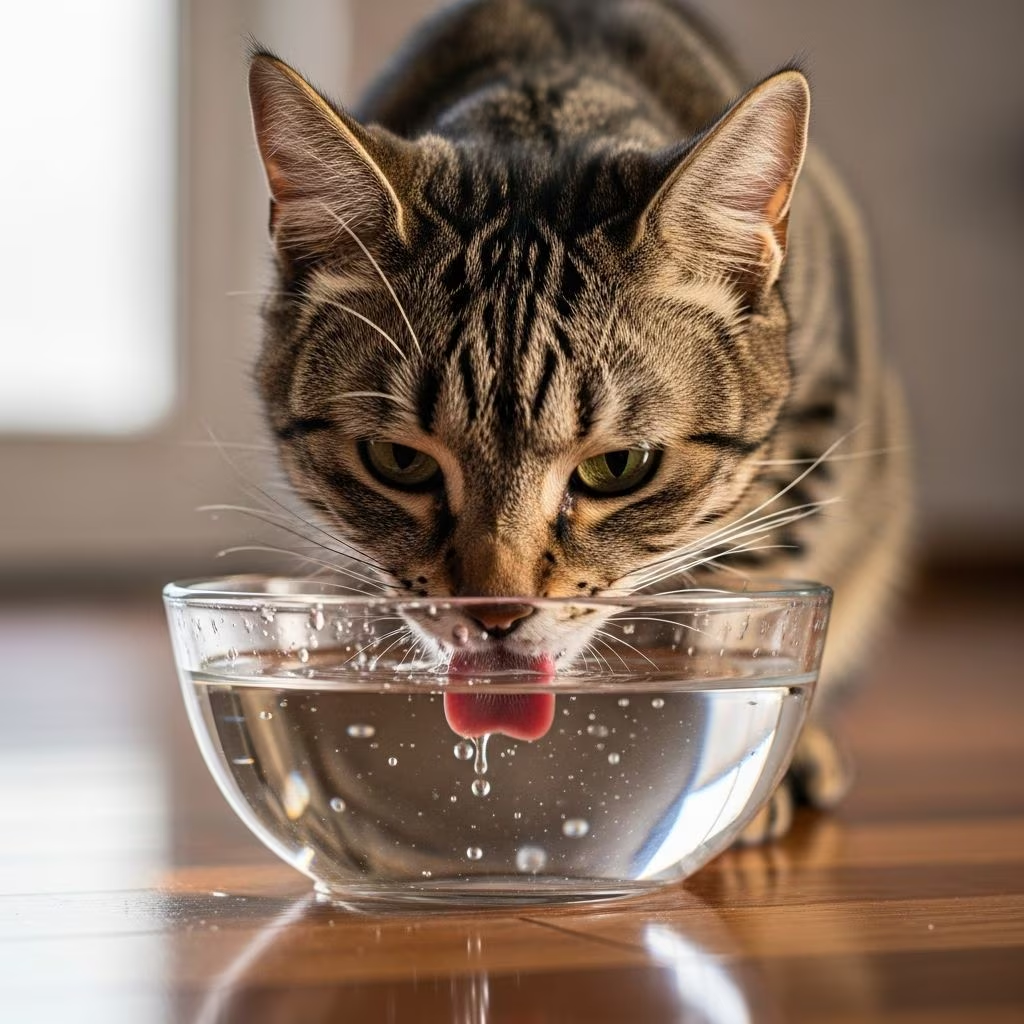
Observing your cat lapping up water more frequently than usual can raise alarm bells for any pet owner. This behavior, known medically as polydipsia, often points to underlying health concerns that demand prompt attention. While occasional upticks in drinking might stem from environmental factors, persistent excessive thirst frequently signals conditions like kidney disease, diabetes, or hyperthyroidism, particularly in senior cats.
Normal vs. Abnormal Water Consumption in Cats
Cats typically consume between 20 to 50 milliliters of water per kilogram of body weight daily, though this varies with diet—wet food reduces intake compared to dry kibble. A sudden increase, such as doubling or tripling usual amounts, warrants monitoring. Track intake by measuring daily water disappearance and noting litter box use, as polydipsia often pairs with polyuria (excessive urination).
- Baseline monitoring tip: Place fresh water in a measured bowl daily and record levels.
- Red flag: If consumption exceeds 100 ml/kg/day consistently.
Primary Medical Causes of Excessive Thirst
Several serious illnesses drive cats to drink more, as their bodies struggle to maintain hydration and electrolyte balance. Understanding these helps in early intervention.
Chronic Kidney Disease (CKD)
CKD tops the list for causing polydipsia, affecting 30-40% of cats over 10 years and up to 80% over 15. Failing kidneys lose the ability to concentrate urine, leading to dilute output and compensatory drinking. Early signs include weight loss, ammonia-scented breath, vomiting, and lethargy.
| Symptom | Frequency in CKD Cats | Associated Risks |
|---|---|---|
| Weight loss | Common | Malnutrition |
| Vomiting | Frequent | Dehydration |
| Bad breath | Typical | Toxin buildup |
| Lethargy | Progressive | Anemia |
Diagnosis involves bloodwork (elevated BUN/creatinine), urinalysis (low specific gravity), and imaging. Management focuses on renal diets, fluids, and blood pressure control to extend life quality.
Diabetes Mellitus
In diabetes, insufficient insulin causes high blood glucose, pulling water into urine and triggering thirst. Cats show increased appetite yet lose weight, hind limb weakness, and plantigrade stance (walking on hocks). Prevalence rises with obesity and age.
- Key diagnostics: Glucose in urine/blood, fructosamine tests.
- Treatments: Insulin injections, low-carb diets, weight management.
Early detection reverses symptoms in 20-40% of cases, avoiding complications like ketoacidosis.
Endocrine and Other Organ Disorders
Hyperthyroidism
Overactive thyroid glands accelerate metabolism, causing polydipsia alongside ravenous hunger, rapid weight loss, hyperactivity, and tachycardia. Common in cats over 10, it impacts heart and organs.
Blood tests reveal elevated T4 levels. Options include methimazole drugs, radioactive iodine (curative), surgery, or iodine-restricted diets.
Liver Dysfunction
Liver issues impair toxin clearance, leading to thirst, jaundice (yellow gums/eyes), ascites, and coagulopathies. Causes range from infections to toxins.
Diagnostics: Liver enzymes, bile acids, ultrasound. Supportive care includes hepatoprotectants and nutrition.
Infections and Less Common Triggers
Urinary Tract Infections (UTIs)
UTIs irritate the bladder, prompting more drinking to dilute urine. Signs: Dysuria, hematuria, litter box avoidance. More prevalent in females. Antibiotics resolve most cases post-culture.
Environmental and Lifestyle Factors
Not all polydipsia is pathological. Dry food diets, hot weather, or saltier foods boost needs. Medications like diuretics or steroids mimic disease signs.
- Diet shift: Switching to kibble can double intake legitimately.
- Heat stress: Panting, weakness signal dehydration—cool and hydrate immediately.
How to Monitor and Measure Your Cat’s Thirst
Quantify by weighing water bowls pre- and post-day, factoring multiple stations. Video litter habits for vet review. Apps track via owner inputs for trends.
- Establish baseline over a week.
- Log alongside appetite, weight, stool/urine output.
- Consult vet if >20% rise persists.
When to Rush to the Vet: Critical Signs
Act immediately if thirst accompanies collapse, seizures, bloody urine, or profound lethargy—these suggest acute crisis. Routine check for isolated polydipsia in seniors.
| Urgency Level | Symptoms | Action |
|---|---|---|
| Emergency | Collapse, seizures, pale gums | Immediate ER visit |
| Urgent (24h) | Weight loss >10%, vomiting | Schedule ASAP |
| Soon | Thirst alone, senior cat | Within 1 week |
Veterinary Diagnostic Approach
Vets start with history, exam, then:
- Minimum database: CBC, chemistry, urinalysis, T4.
- Advanced: Blood pressure, SDMA (early CKD marker), imaging, cultures.
Differentiate via patterns: High glucose points to diabetes; dilute urine/low protein to CKD.
Treatment Strategies by Condition
Supportive Home Care
Encourage intake with fountains (cats prefer running water), multiple bowls, wet food toppers. Avoid salty treats.
Long-Term Management
- CKD: Phosphorus binders, subcutaneous fluids, antiemetics.
- Diabetes: BID insulin, glucometer training.
- Hyperthyroid: Daily meds or I-131 therapy (80-90% cure).
Preventive Measures for Feline Hydration Health
Annual senior wellness (over 7 years), obesity control, toxin-free homes reduce risks. Renal-support diets proactively for at-risk breeds like Persians.
Frequently Asked Questions (FAQs)
Is excessive thirst always serious in cats?
Not always, but in older cats, it’s often CKD or endocrine disease—vet evaluation essential.
How much water should my cat drink daily?
20-50 ml/kg; adjust for dry vs. wet food. Monitor changes.
Can diet cause my cat to drink more?
Yes, dry kibble demands more water than canned food.
What home tests detect dehydration?
Skin tenting, gum moisture— but vet confirmation needed.
Can hyperthyroidism be cured?
Yes, radioactive iodine offers permanent fix in most cases.
This comprehensive guide empowers owners to safeguard their cats’ health through vigilance and action. Persistent thirst merits professional assessment for optimal outcomes.
References
- Cat Drinking a Lot of Water? Causes and When to Worry — Rutherford Veterinary Hospital. 2023. https://rutherfordvet.com/cat-drinking-a-lot-of-water/
- Why Is My Cat Drinking a Lot of Water? — MetLife Pet Insurance. 2024. https://www.metlifepetinsurance.com/blog/pet-health/cat-drinking-a-lot-of-water/
- Why Is My Cat Drinking So Much Water? — Arrowhead Animal Hospital. 2023. https://arrowheadvets.com/blog/why-is-my-cat-drinking-so-much-water/
- Why Is My Cat Drinking So Much Water? — PetMD. 2024. https://www.petmd.com/cat/symptoms/why-my-cat-drinking-lot-water
- Why Is My Cat Drinking A Lot of Water, Should I be Concerned? — VEG. 2023. https://www.veg.com/post/cat-is-drinking-a-lot-of-water
- Why is my cat so thirsty? — Metropolitan Veterinary Associates. 2024. https://metro-vet.com/why-is-my-cat-so-thirsty/



