

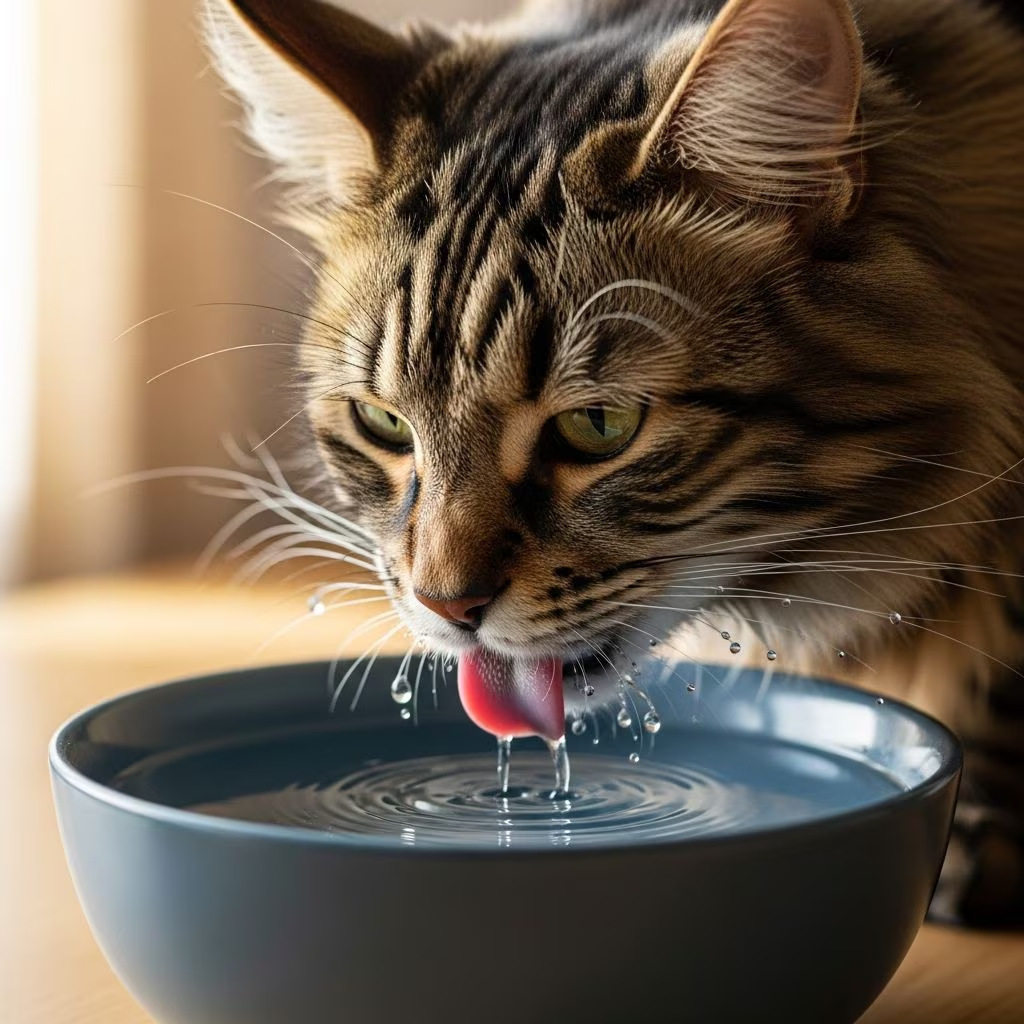
Notice your cat lapping up water more than usual? This behaviour, known as **polydipsia**, can be normal or a red flag for underlying health issues. Cats typically drink 40-60 ml of water per kg of body weight daily, but exceeding 100 ml/kg signals potential problems like kidney disease or diabetes. Early detection is crucial for conditions affecting up to 80% of cats over 15 years old.
What is polydipsia in cats?
Polydipsia refers to excessive thirst, often paired with polyuria (increased urination). It’s a compensatory response where the body signals the need for more fluids due to losses from disease or environmental factors. Unlike dogs, cats mask illness well, making this one of the first noticeable signs. Measuring intake—over 100 ml/kg daily warrants vet attention. Limiting water access is dangerous and can worsen conditions.
Normal reasons why cats drink more water
Not all increased drinking indicates illness. Common benign causes include:
- Dietary factors: Cats on dry kibble need 2-4 times more water than those eating wet food to stay hydrated, as kibble contains minimal moisture.
- Hot weather or heat: Higher temperatures increase fluid needs; watch for heatstroke signs like panting, restlessness, or red gums.
- Exercise or activity: Active cats or those in warm environments drink more to replace lost fluids.
- Recent diet change: Switching to saltier or drier food prompts temporary thirst spikes.
If your cat appears otherwise healthy—bright eyes, good appetite, normal weight—these are likely culprits. Provide fresh water sources like fountains to encourage drinking.
When to worry: Medical causes of excessive thirst
Persistent polydipsia, especially with other symptoms, points to serious conditions. Here’s a breakdown of common medical causes:
Kidney disease (Chronic Kidney Disease – CKD)
The leading cause in older cats, affecting 40% over 10 years and 80% over 15. Damaged kidneys fail to concentrate urine, leading to fluid loss and compensatory drinking. Early signs mimic normal thirst but progress to:
- Increased urination
- Weight loss or muscle wasting
- Lethargy and decreased appetite
- Vomiting, bad breath (ammonia odour), pale gums
Diagnosis involves bloodwork, urinalysis, and blood pressure checks. Management includes diet, fluids, and medications; early intervention slows progression.
Diabetes mellitus
High blood sugar spills into urine, dragging water with it, causing dehydration and thirst. Common in obese or older cats, symptoms include:
- Frequent urination and increased appetite
- Sudden weight loss despite eating more
- Lethargy, hind leg weakness
Insulin therapy, diet changes, and monitoring manage it effectively if caught early.
Hyperthyroidism
Overactive thyroid speeds metabolism, affecting organs like the heart. Prevalent in seniors, it causes:
- Weight loss with ravenous hunger
- Restlessness, vocalizing, unkempt coat
- Vomiting, diarrhoea, increased thirst
Blood tests confirm; treatments range from medication to surgery.
Urinary tract infections (UTIs)
Bacteria irritate the bladder, prompting more drinking and urination. More common in females, signs are:
- Frequent, strained urination
- Bloody urine
- Litter box accidents
Antibiotics resolve most cases after urinalysis.
Liver disease
Impaired liver function disrupts fluid balance. Look for jaundice (yellow gums), vomiting, bruising, lethargy alongside thirst.
Other causes
- High blood calcium (hypercalcemia): Disrupts kidney function.
- Pyometra: Uterine infection in unspayed females, with pus discharge and lethargy.
- Addison’s disease: Rare adrenal issue causing electrolyte imbalance.
| Condition | Key Symptoms (besides thirst) | Prevalence |
|---|---|---|
| Kidney Disease | Weight loss, vomiting, lethargy | High in seniors (80% >15yo) |
| Diabetes | Weight loss, increased appetite | Obese/older cats |
| Hyperthyroidism | Weight loss, hyperactivity | Older cats |
| UTI | Bloody urine, straining | Females |
Symptoms to monitor alongside increased thirst
Track these red flags:
- Changes in appetite (more or less)
- Unexplained weight loss/gain
- Lethargy or behavioural shifts
- Vomiting, diarrhoea, or constipation
- Altered urination (frequency, volume, blood)
- Poor coat, bad breath, sunken eyes
Dehydration signs despite drinking—dry gums, tacky mouth—demand immediate care.
How much water should a cat drink?
Normal: 40-60 ml/kg/day. Polydipsia: >100 ml/kg. Measure by weighing water bowl daily or using a pet fountain with trackers. Factors like diet influence baselines—wet food cats drink less.
Diagnosis: What to expect at the vet
Your vet will:
- Review history and measure intake.
- Perform physical exam.
- Run bloodwork (kidney values, thyroid, glucose).
- Urinalysis for infection, concentration.
- Imaging (X-rays, ultrasound) if needed.
Biannual bloodwork for seniors aids early detection.
Treatment options
Depends on cause:
- CKD: Renal diets, subcutaneous fluids, phosphate binders.
- Diabetes: Insulin injections, low-carb diet.
- Hyperthyroidism: Methimazole, radioiodine.
- UTI: Antibiotics.
Supportive care like increased wet food hydration helps all cases.
Prevention and home management
- Feed wet or broth-added food.
- Multiple fresh water stations, fountains.
- Regular vet check-ups, especially post-7 years.
- Monitor weight, litter habits.
- Spay to prevent pyometra.
These steps promote health and catch issues early.
Frequently Asked Questions (FAQs)
Is it normal for my cat to drink more water in summer?
Yes, heat increases needs, but monitor for heatstroke and persistent changes.
How do I measure my cat’s water intake?
Weigh the bowl daily or use marked containers; >100 ml/kg is concerning.
Can dry food cause excessive thirst?
Yes, kibble lacks moisture, so cats drink more; mix in wet food.
When should I take my cat to the vet for polydipsia?
If over 100 ml/kg for days, or with symptoms like weight loss or lethargy.
Can polydipsia be cured?
Depends—manageable like diabetes/CKD, curable like UTIs.
References
- My Cat is Drinking A Lot of Water, Should I be Concerned? — VEG. 2023. https://www.veg.com/post/cat-is-drinking-a-lot-of-water
- Why Is My Cat Drinking a Lot of Water? — MetLife Pet Insurance. 2024. https://www.metlifepetinsurance.com/blog/pet-health/cat-drinking-a-lot-of-water/
- Why Is My Cat Drinking So Much Water? — Arrowhead Animal Hospital. 2023. https://arrowheadvets.com/blog/why-is-my-cat-drinking-so-much-water/
- Increased or Excessive Thirst (Polydipsia) in Cats — Vetster. 2024. https://vetster.com/en/symptoms/cat/increased-or-excessive-thirst-polydipsia
- Why Is My Cat Drinking So Much Water – Common Reasons — Revelvet. 2023. https://revelvet.com/blog/why-is-my-cat-drinking-so-much-water/



