

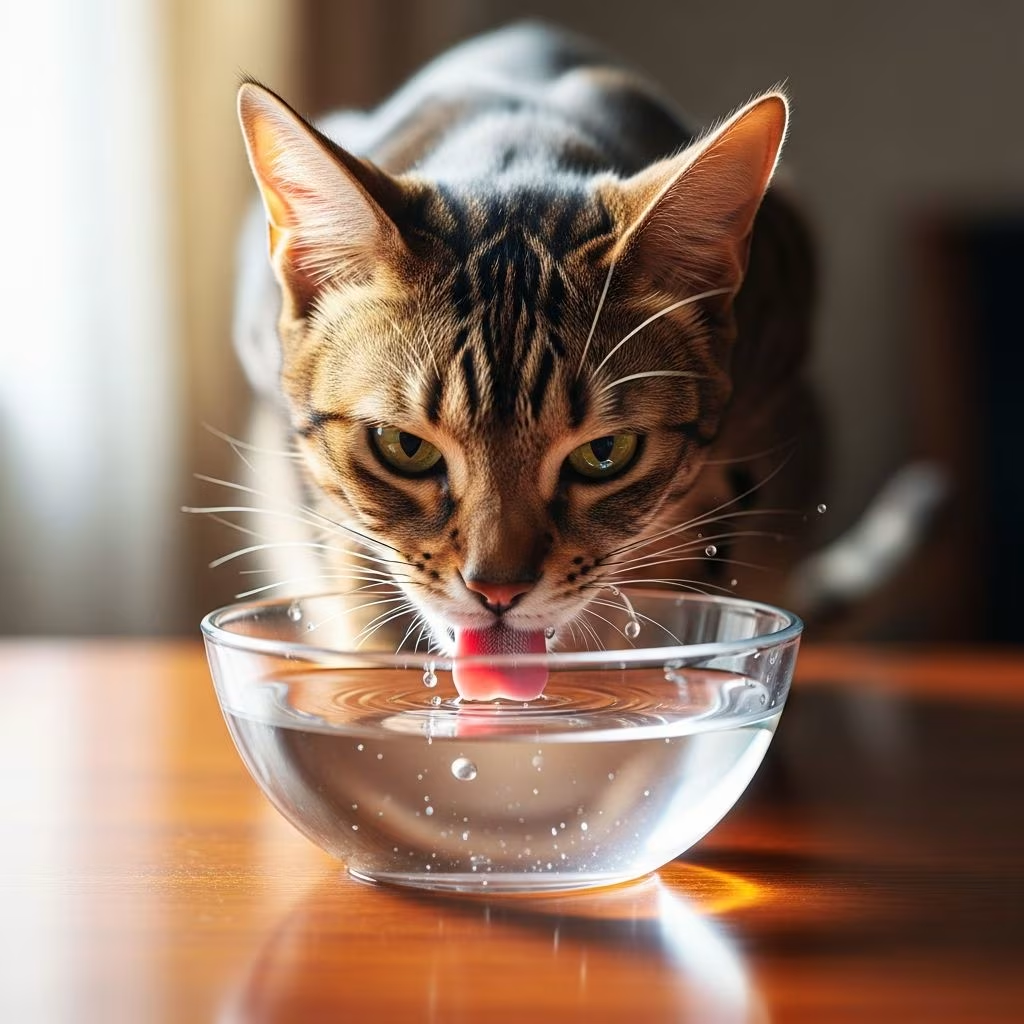
Cats drinking excessive amounts of water, known medically as polydipsia, can be a subtle yet critical sign of underlying health issues. Normal water intake for cats typically ranges from 40-60 ml per kg of body weight daily, but exceeding 100 ml/kg indicates polydipsia and warrants attention. This behavior often accompanies polyuria (increased urination) as the body compensates for conditions impairing fluid balance. Early detection through veterinary assessment is essential, as many causes like chronic kidney disease affect up to 40% of cats over age 10 and 80% over age 15.
Why Is My Cat Drinking So Much Water?
Several factors can lead to increased thirst in cats, ranging from benign environmental influences to serious diseases. Owners may notice the water bowl emptying faster, puddles near the litter box from frequent urination, or a cat seeking out unusual water sources like faucets or toilets. Monitoring intake by measuring daily consumption helps quantify the issue—place fresh water in a known volume container and track refills.
- Dietary factors: Cats on dry kibble diets naturally drink more to compensate for low moisture content compared to wet food.
- Environmental triggers: Hot weather, low humidity, or increased activity can temporarily boost thirst.
- Medical conditions: The majority of persistent cases stem from organ dysfunction or metabolic disorders, detailed below.
Distinguishing normal variation from problematic polydipsia requires observing patterns over several days alongside other symptoms like lethargy, weight changes, or appetite shifts.
Common Causes of Excessive Thirst in Cats
Polydipsia rarely occurs in isolation. The kidneys, endocrine system, and other organs play key roles in regulating fluid balance. Here’s a breakdown of primary causes supported by veterinary insights.
Kidney Disease (Chronic Kidney Disease – CKD)
CKD is the leading cause of polydipsia in senior cats, as damaged kidneys lose the ability to concentrate urine, prompting more drinking to offset fluid loss. Progression is gradual, but early intervention via diet, fluids, and medications can extend quality life. Prevalence rises sharply with age: 40% in cats over 10, 80% over 15.
- Increased urination and dilute urine
- Weight loss and muscle wasting
- Lethargy and decreased appetite
- Vomiting, bad breath (ammonia odor), pale gums in advanced stages
Vets diagnose via bloodwork (elevated creatinine/BUN), urinalysis, and blood pressure checks.
Diabetes Mellitus
In diabetes, insufficient insulin leads to high blood sugar, causing the kidneys to excrete excess glucose in urine, which draws out water and triggers thirst. Cats may drink voraciously while losing weight despite ravenous hunger.
- Frequent urination and plant-like urine sweetness
- Sudden weight loss
- Hind leg weakness or plantigrade stance
- Increased appetite initially, then lethargy
Treatment involves insulin therapy, dietary management, and monitoring; early diagnosis prevents complications like ketoacidosis.
Hyperthyroidism
Overactive thyroid glands produce excess hormones, accelerating metabolism and affecting organs like the heart. Common in cats over 10, it paradoxically causes a kitten-like hyperactivity in seniors alongside polydipsia.
- Weight loss despite increased appetite
- Restlessness, vocalizing, unkempt coat
- Vomiting, diarrhea, thickened nails
Blood tests confirm elevated T4 levels; treatments include medication, surgery, or radioiodine.
Urinary Tract Infections (UTIs)
UTIs irritate the bladder, leading to frequent, small-volume urination and compensatory drinking, more common in females. Bacteria or crystals provoke inflammation.
- Straining or crying while urinating
- Bloody or cloudy urine
- Litter box avoidance
Antibiotics resolve most cases after urinalysis culture.
Liver Disease
Hepatic issues from infections, toxins, or inflammation impair detoxification, causing fluid imbalances.
- Jaundice (yellow gums/eyes)
- Vomiting, bruising, weight loss
- Lethargy
Other Causes
- Hypercalcemia: Elevated blood calcium from tumors or diet disrupts fluid regulation.
- Dehydration rebound: After illness or heat, but persistent cases need checking.
- Medications or behavioral: Steroids or psychogenic polydipsia (rare).
Symptoms to Watch For
Beyond polydipsia, monitor for clusters of signs indicating urgency. Use this table to assess severity:
| Symptom | Common Associated Conditions | Urgency Level |
|---|---|---|
| Increased urination | CKD, Diabetes, Hyperthyroidism | High |
| Weight loss | CKD, Diabetes, Hyperthyroidism | High |
| Lethargy/Vomiting | CKD, Liver disease | Immediate |
| Appetite changes | All major causes | Moderate |
| Behavioral shifts | Hyperthyroidism, Pain (UTI) | Moderate |
Dehydration signs like sunken eyes, dry gums, or tacky mouth despite drinking signal critical issues—seek emergency care.
When to See a Vet
Contact a vet if thirst exceeds 100 ml/kg/day for 2-3 days, or accompanies any other symptoms. Do not restrict water, as it compensates for illness and restriction can be fatal. Expect a full exam, history review, bloodwork, urinalysis, possibly imaging. Senior cats (over 7 years) benefit from annual kidney screenings. Prompt action improves outcomes for manageable conditions like CKD or diabetes.
How Much Water Should a Cat Drink?
A 4kg cat needs about 160-240 ml daily baseline, more on dry food (up to 100 ml/kg max normal). Factors influencing intake:
- Diet: Wet food reduces need by 50%.
- Activity/Weather: +20-30% in heat.
- Health: Polydipsia >100 ml/kg.
Track precisely: Weigh bowls or use measured drinkers for accurate logs to share with vets.
Diagnosis and Treatment
Vets start with:
- Physical exam and history.
- Bloodwork (kidney values, glucose, thyroid).
- Urinalysis (specific gravity, infection).
- Advanced: Ultrasound, biopsy if needed.
Treatments target causes:
- CKD: Renal diets, subcutaneous fluids, phosphate binders.
- Diabetes: Insulin, low-carb diet.
- Hyperthyroidism: Methimazole, I-131 therapy.
- UTIs: Antibiotics.
Prognosis varies; many cats live years with management.
Preventing Excessive Thirst in Cats
While not all causes are preventable, strategies include:
- Annual vet checkups with bloodwork for seniors.
- Balanced diet mixing wet/dry foods.
- Multiple fresh water sources (fountains encourage drinking).
- Weight management to reduce diabetes risk.
- Prompt treatment of infections.
Frequently Asked Questions (FAQs)
Is it normal for my cat to drink more water in summer?
Yes, heat increases thirst temporarily, but monitor for persistence or other signs.
How do I measure my cat’s water intake accurately?
Use a measured bowl, refill to the same level daily, and subtract remaining water.
Can dry food cause excessive drinking?
It increases normal thirst due to low moisture, but extreme amounts suggest illness.
What if my cat drinks a lot but eats normally?
Still vet check, as early diseases like hyperthyroidism may lack appetite changes initially.
Is polydipsia always serious?
Not always, but consistent excess requires evaluation to rule out CKD or diabetes.
References
- My Cat is Drinking A Lot of Water, Should I be Concerned? — VEG. 2023. https://www.veg.com/post/cat-is-drinking-a-lot-of-water
- Why Is My Cat Drinking a Lot of Water? — MetLife Pet Insurance. 2024. https://www.metlifepetinsurance.com/blog/pet-health/cat-drinking-a-lot-of-water/
- Why Is My Cat Drinking So Much Water? — Arrowhead Animal Hospital. 2023. https://arrowheadvets.com/blog/why-is-my-cat-drinking-so-much-water/
- Increased or Excessive Thirst (Polydipsia) in Cats — Vetster. 2024. https://vetster.com/en/symptoms/cat/increased-or-excessive-thirst-polydipsia
- Why Is My Cat Drinking So Much Water – Common Reasons — Revelvet. 2023. https://revelvet.com/blog/why-is-my-cat-drinking-so-much-water/
- Increased thirst and drinking — International Cat Care. 2024. https://icatcare.org/articles/increased-thirst-and-drinking



