

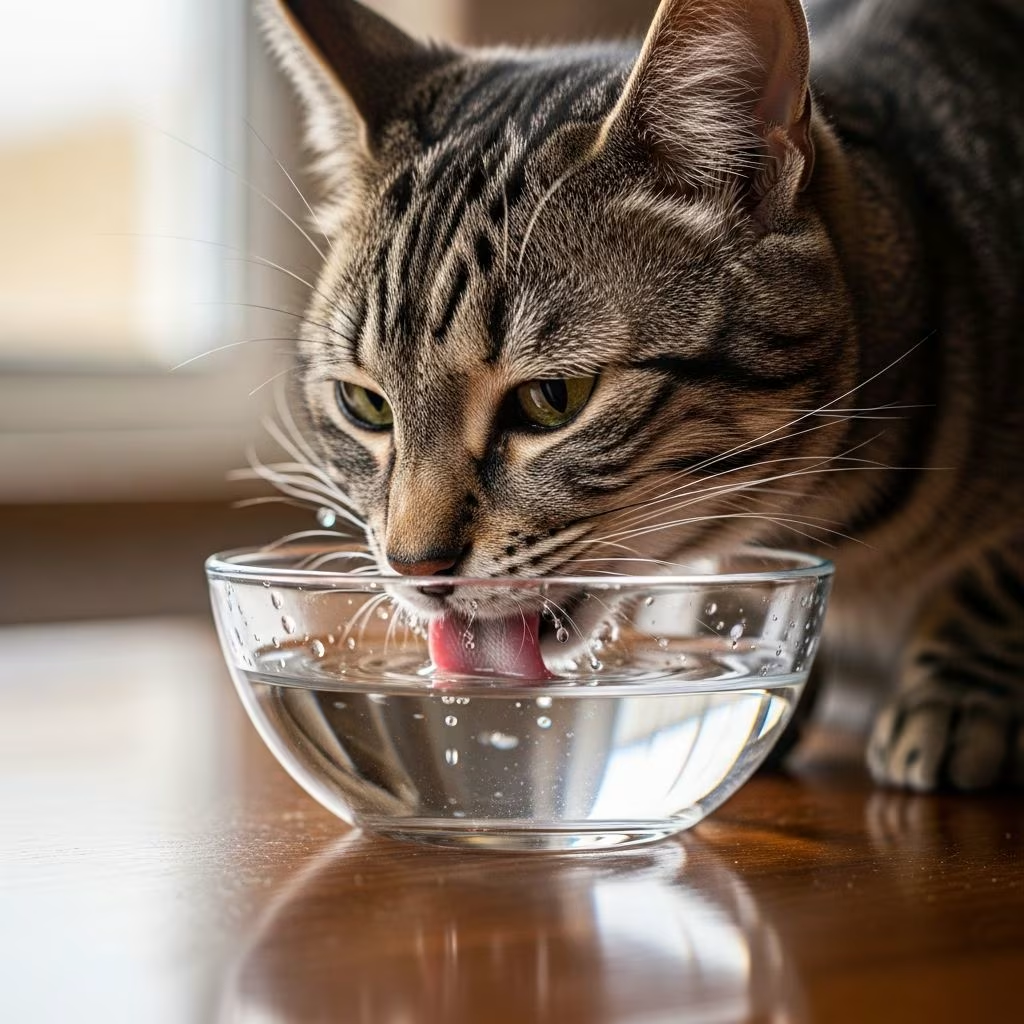
Notice your cat lapping up water more frequently? Excessive thirst, medically termed **polydipsia**, affects many cats and often signals an underlying health issue. While occasional increases in water intake can stem from benign causes like hot weather or diet changes, persistent polydipsia warrants attention, especially in older cats. Understanding the reasons behind your cat’s increased drinking can help you act swiftly to protect their health.
What Is Polydipsia in Cats?
Polydipsia refers to a noticeable increase in thirst, where cats drink in excess of 100 milliliters of water per kilogram of body weight daily (approximately 1.5 ounces per pound). This is often the first observable sign owners notice, as water bowls empty faster than usual. Cats with polydipsia typically also exhibit **polyuria** (excessive urination), as the body processes more water. Normal daily intake varies by factors like diet, activity, and temperature, but exceeding the threshold for several days requires monitoring.
Do not restrict water access, as this compensatory behavior helps cats cope with illnesses. Limiting intake can exacerbate conditions and prove fatal in severe cases. Instead, measure consumption precisely: track water levels over 24-48 hours using a marked bowl or pet water fountain to quantify the increase.
Normal vs. Excessive Water Intake
Cats on dry kibble naturally drink more than those eating wet food, which provides 70-80% moisture. A healthy adult cat drinks 50-100 ml/kg/day, but this rises with heat, exercise, or salty diets. Environmental factors like summer temperatures prompt panting and water loss, which kidneys compensate for appropriately.
Excessive intake becomes concerning when it persists beyond temporary triggers. Table below compares normal and abnormal patterns:
| Factor | Normal Intake | Excessive (Polydipsia) |
|---|---|---|
| Daily Amount | 50-100 ml/kg | >100 ml/kg |
| Triggers | Heat, dry food, activity | Persistent, with other symptoms |
| Urination | 2-4 times/day | Frequent, large volumes |
| Litter Box | Regular clumps | Overflowing, soaked litter |
Owners of multi-cat homes should isolate the affected cat for accurate measurement.
Common Causes of Excessive Thirst in Cats
Several conditions drive polydipsia. Primary causes cluster around endocrine, renal, and metabolic disorders, prevalent in senior cats (over 7 years).
Kidney Disease (Chronic Kidney Disease – CKD)
The leading cause, affecting 40% of cats over 10 and 80% over 15. Failing kidneys cannot concentrate urine, leading to dilute output and compensatory drinking. Early signs: increased urination, weight loss, decreased appetite, lethargy, vomiting, bad breath (ammonia odor). In advanced stages, pale gums from anemia appear. Biannual bloodwork detects early damage; treatments include fluids, diet changes, and medications to slow progression.
Diabetes Mellitus
High blood sugar from insulin deficiency causes glucose spillover into urine, drawing water osmotically and boosting thirst. Symptoms: increased appetite, sudden weight loss, hind leg weakness, lethargy. Manageable with insulin, diet, and monitoring; early diagnosis prevents complications like ketoacidosis.
Hyperthyroidism
Overactive thyroid glands accelerate metabolism, affecting organs like the heart. Common in older cats, signs include weight loss despite ravenous hunger, hyperactivity, unkempt coat, thickened nails, vomiting/diarrhea. Blood tests confirm; treatments range from medication to surgery or radioactive iodine.
Urinary Tract Infections (UTIs)
More common in females, UTIs irritate the bladder, prompting frequent urination and thirst. Additional signs: straining, bloody urine. Antibiotics resolve most cases post-urinalysis.
Liver Disease
Infections, toxins, or inflammation impair liver function, causing thirst alongside jaundice, vomiting, bruising, lethargy, weight loss.
Other Causes
- High blood calcium (hypercalcemia): Disrupts fluid balance.
- Dehydration: From heatstroke (panting, red gums, collapse) or dry diets; check gums, eyes.
- Behavioral/Environmental: Stress, new salty food, or heat.
Symptoms to Watch For
Beyond thirst, monitor:
- Changes in appetite (increased or decreased)
- Weight loss or muscle wasting
- Lethargy or hyperactivity
- Vomiting, diarrhea
- Unkempt coat, bad breath
- Increased vocalization or restlessness
- Straining to urinate or bloody urine
If multiple symptoms appear, especially in seniors, seek vet care promptly.
When to See a Vet
Contact a veterinarian if thirst exceeds normal for 2-3 days, or accompanies any symptom listed. Older/obese cats or those with fever/behavior changes need immediate attention. Vets perform physical exams, history review, bloodwork (for kidney values, thyroid, glucose), urinalysis, blood pressure, and imaging if needed.
Diagnosis and Treatment
Diagnosis starts with quantifying intake. Bloodwork screens for CKD (elevated creatinine/BUN), diabetes (high glucose), hyperthyroidism (elevated T4). Urinalysis checks concentration, infection, glucose. Treatments target causes:
- CKD: Renal diets, subcutaneous fluids, phosphate binders, ACE inhibitors.
- Diabetes: Insulin injections, low-carb diet, monitoring.
- Hyperthyroidism: Methimazole, iodine-131 therapy.
- UTIs: Antibiotics.
Prognosis improves with early intervention; many cats live comfortably for years post-diagnosis.
How to Encourage Healthy Hydration
Prevent issues by promoting water intake:
- Multiple fresh water stations, away from litter/food.
- Running fountains appeal to cats’ instincts.
- Mix wet food for moisture.
- Flavor water with tuna juice (unsalted).
Annual senior wellness exams catch problems early.
Frequently Asked Questions (FAQs)
Why is my cat suddenly drinking so much water?
Sudden polydipsia often indicates kidney disease, diabetes, or hyperthyroidism; measure intake and consult a vet.
Is it normal for older cats to drink more water?
Yes, but excessive amounts signal CKD or endocrine issues common in seniors—monitor closely.
Should I limit my cat’s water if they’re drinking a lot?
No, restriction worsens underlying conditions; provide unlimited access.
How much water should my cat drink daily?
50-100 ml/kg; over 100 ml/kg is polydipsia.
Can diet cause excessive thirst in cats?
Yes, dry kibble or salty food increases needs, but persistent thirst needs vet evaluation.
References
- Cat’s Water Intake Can Point to Kidney Disease — VEG. 2023. https://www.veg.com/post/cat-is-drinking-a-lot-of-water
- Why Is My Cat Drinking a Lot of Water? — MetLife Pet Insurance. 2024-05-15. https://www.metlifepetinsurance.com/blog/pet-health/cat-drinking-a-lot-of-water/
- Why Is My Cat Drinking So Much Water? — Arrowhead Animal Hospital. 2023-08-10. https://arrowheadvets.com/blog/why-is-my-cat-drinking-so-much-water/
- Increased or Excessive Thirst (Polydipsia) in Cats — Vetster. 2024. https://vetster.com/en/symptoms/cat/increased-or-excessive-thirst-polydipsia
- Why Is My Cat Drinking So Much Water – Common Reasons — Revelvet. 2023-11-20. https://revelvet.com/blog/why-is-my-cat-drinking-so-much-water/
- Increased thirst and drinking — International Cat Care. 2024. https://icatcare.org/articles/increased-thirst-and-drinking



