

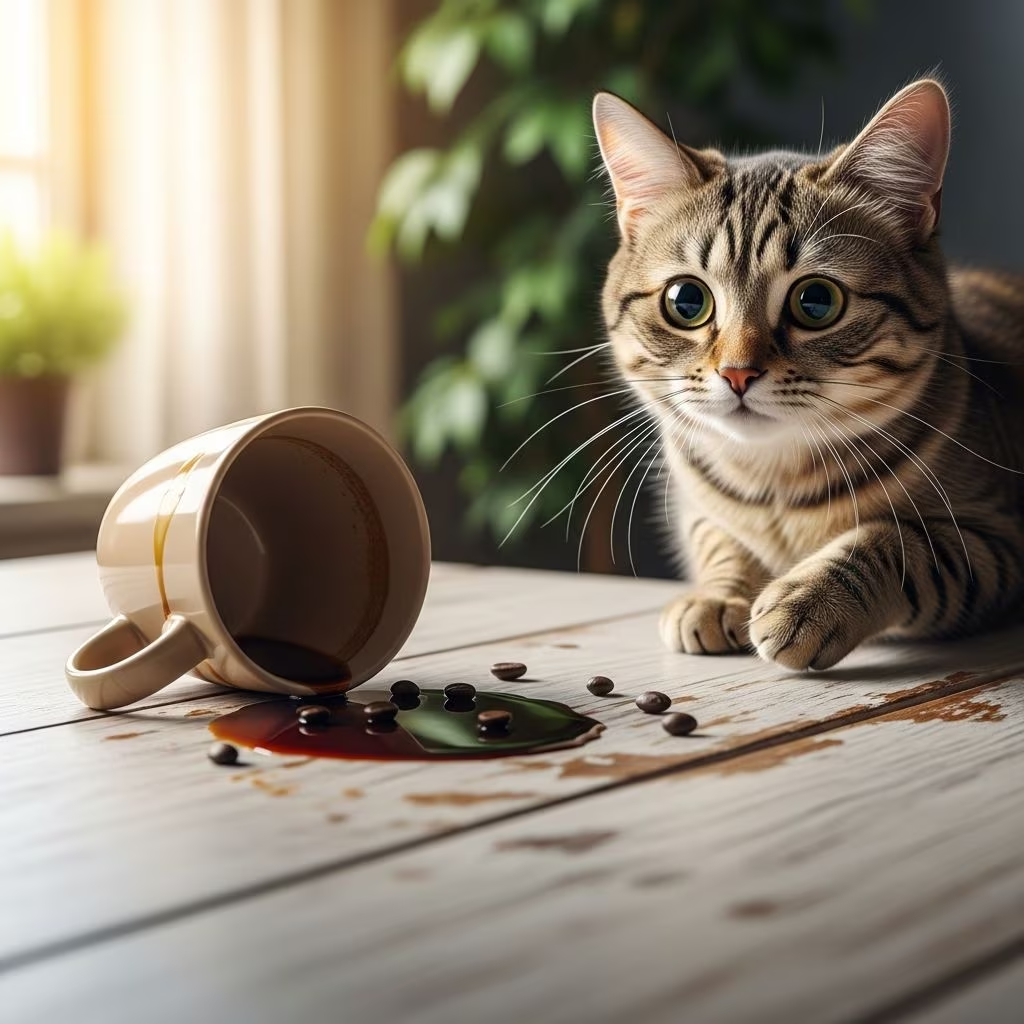
Caffeine poses a serious threat to cats because their bodies process it poorly, leading to rapid onset of dangerous symptoms even from small amounts found in coffee or related products. Quick recognition and veterinary intervention are critical for positive outcomes.
The Hidden Dangers of Caffeine for Felines
Cats lack the enzymes needed to break down caffeine efficiently, unlike humans who tolerate moderate amounts. This methylxanthine compound stimulates the central nervous system, heart, and muscles excessively in felines, potentially causing overstimulation across multiple organs. Sources like brewed coffee, energy drinks, tea, chocolate, and certain medications contain varying caffeine levels, with even a few laps from a mug proving hazardous for a typical cat weighing 4-5 kg.
The toxicity threshold is low: approximately 20 mg per kg of body weight can trigger mild effects, while over 40 mg/kg risks severe poisoning or fatality. A standard 8 oz cup of coffee holds about 95 mg of caffeine, meaning just 10-20 ml could endanger a small cat. Rapid absorption into the bloodstream—often within 30-60 minutes—amplifies the urgency.
Recognizing Signs of Caffeine Overload in Cats
Symptoms emerge quickly and vary by dose, cat size, and product type. Early detection hinges on observing behavioral and physical changes:
- Behavioral shifts: Restlessness, hyperactivity, agitation, or pacing, as the stimulant overrides normal calm.
- Cardiovascular effects: Rapid or irregular heartbeat, detectable by feeling the chest pulse.
- Respiratory distress: Panting, rapid breathing, or labored efforts.
- Gastrointestinal upset: Vomiting, diarrhea, excessive drooling, or thirst leading to frequent urination.
- Neurological warnings: Tremors, twitching, unsteady gait, dilated pupils, sensitivity to touch, or seizures in advanced stages.
- Severe indicators: Elevated body temperature, blue gums (cyanosis), collapse, coma, or sudden death.
Effects can persist 12-36 hours, escalating without intervention. Factors like the cat’s age, health, or concurrent medications influence severity.
Critical First Steps When Exposure Occurs
Time is vital—do not delay. Follow this protocol:
- Call professionals immediately: Contact your vet, an emergency clinic, or a pet poison hotline like Pet Poison Helpline (available 24/7) with details: what was ingested, estimated amount, time of exposure, cat’s weight, and symptoms.
- Secure the scene: Remove all caffeine sources and keep the cat calm in a quiet, safe area.
- Avoid home remedies: Never induce vomiting yourself—cats risk aspiration, esophageal damage, or worsened hyperactivity complicating the process.
- Prepare for transport: Note all observations for the vet and transport promptly if symptoms appear.
Providing product packaging or labels aids precise diagnosis.
Veterinary Interventions for Caffeine Poisoning
Treatment prioritizes decontamination, symptom control, and organ support, tailored to ingestion timing and severity. Common approaches include:
| Stage | Treatment Method | Purpose |
|---|---|---|
| Early (within 1-2 hours) | Induced vomiting or gastric lavage | Removes unabsorbed toxin from stomach |
| Decontamination | Activated charcoal (possibly repeated) | Binds remaining caffeine in intestines |
| Supportive care | IV fluids | Flushes toxins, corrects dehydration/electrolytes |
| Symptom management | Sedatives, anti-seizure meds, heart rhythm drugs | Controls hyperactivity, tremors, arrhythmias |
| Monitoring | Oxygen therapy, blood pressure/heart checks | Stabilizes breathing, prevents complications |
Hospitalization often spans overnight or days for monitoring vital signs. Most cats recover fully with prompt care, showing no long-term effects. Blood tests track toxin clearance.
How Much Caffeine Is Too Much? A Quick Reference
Understanding doses helps gauge risk:
| Source | Caffeine per Serving (mg) | Toxic Dose for 5kg Cat (ml/grams) |
|---|---|---|
| Brewed Coffee (8 oz) | 95 | ~10 ml |
| Energy Drink (8 oz) | 80-200 | ~5-10 ml |
| Dark Chocolate (1 oz) | 20-60 | ~4-10 grams |
| Tea (8 oz) | 47 | ~20 ml |
| Some Meds/Diet Pills | 100-200 | Check label |
These estimates underscore household items’ potency—prevention trumps cure.
Proactive Strategies to Protect Your Cat
Avoid incidents through vigilance:
- Elevate or seal all beverages, snacks, and human foods.
- Use cat-proof storage for supplements and meds.
- Opt for decaf alternatives at home.
- Educate household members on risks.
- Maintain a caffeine-free zone in multi-pet homes.
- Train cats to avoid counters with deterrents like citrus scents or motion-activated devices.
Regular vet check-ups catch sensitivities early.
Special Considerations for Vulnerable Cats
Kittens, seniors, or those with heart/liver issues face amplified risks—even trace amounts overwhelm their systems. Multi-cat homes or outdoor access heighten exposure chances from neighbors’ trash or discarded drinks. Breeds like Siamese may show unique sensitivities, though data is limited.
FAQs on Cats and Caffeine
Q: Can a tiny lick of coffee harm my cat?
A: Yes—caffeine absorbs fast, so even minimal contact warrants a vet call.
Q: What if symptoms start hours later?
A: Delayed signs are rare but possible; seek care regardless of timing.
Q: Is decaf coffee safe?
A: Decaf retains trace caffeine (2-12 mg per cup), still risky in quantity.
Q: How long until full recovery?
A: Typically 24-48 hours with treatment; monitor for relapse.
Q: Are there home tests for caffeine poisoning?
A: No—professional diagnostics are essential.
Long-Term Health After an Incident
Surviving cats usually resume normalcy without sequelae, but watch for behavioral changes or organ stress. Annual bloodwork post-exposure ensures no hidden damage. This event highlights auditing your home for toxins routinely.
In summary, caffeine’s stimulant properties devastate feline physiology, but awareness empowers prevention and response. Stay proactive to keep your cat thriving.
References
- PetMD: Cats and Caffeine — PetMD. 2023. https://www.petmd.com/cat/poisoning/can-cats-drink-coffee
- Dans Pet Care: Is Caffeine Toxic to Cats? — Dans Pet Care. 2024. https://danspetcare.com/pets/lmntdaj6dfxp7tcpfkl89gkt9k9cyr
- VCA Animal Hospitals: Caffeine Toxicity in Pets — VCA Hospitals. 2023. https://vcahospitals.com/know-your-pet/caffeine-toxicity-in-pets
- Lort Smith: Caffeine Coffee – Cats — Lort Smith Melbourne Animal Hospital. 2024. https://lortsmith.com/need-help-now/cat/poisons-toxins/toxic-foods/caffeine-coffee/
- Pet Poison Helpline — Pet Poison Helpline. 2026. https://www.petpoisonhelpline.com



