

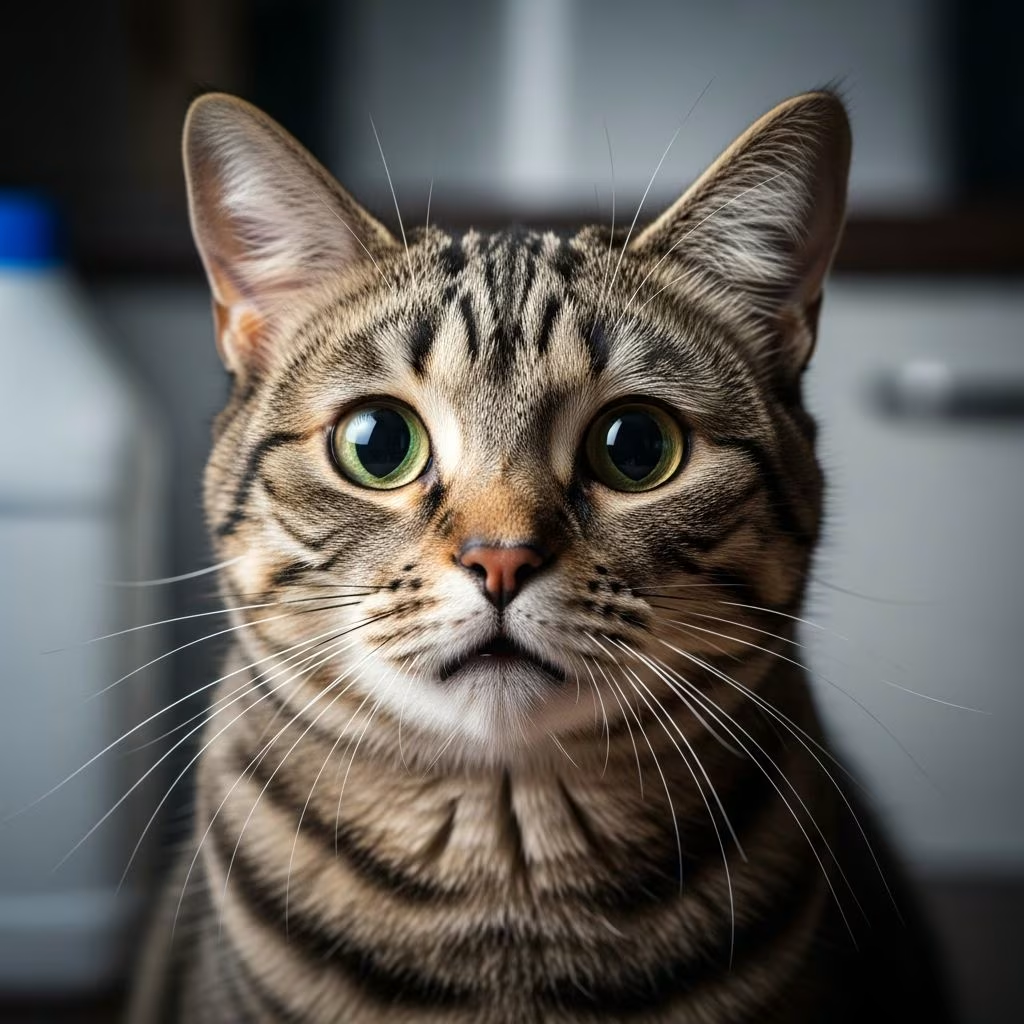
Discovering that your cat has drunk bleach can be terrifying, but quick action often leads to full recovery. Most cats exposed to diluted household bleach show mild symptoms like drooling and recover within an hour with proper home care, though concentrated exposure requires immediate veterinary attention.
What Should I Do If My Cat Drank Bleach?
If you suspect your cat has ingested bleach, time is critical. Begin by assessing the situation calmly to avoid panicking your pet, which could worsen symptoms. Household bleach, typically 5-6% sodium hypochlorite when diluted, irritates mucous membranes but rarely causes severe damage if addressed promptly.
First, safely remove any remaining bleach from your cat’s reach. If the exposure was from toilet water or a cleaned floor, ensure the area is secured. Gently examine your cat’s eyes, mouth, lips, and paws for irritation, redness, or burns. Look for drooling, pawing at the mouth, or labored breathing, as these indicate the need for urgent care.
The key principle is “the solution to pollution is dilution.” Offer your cat something appealing to drink and flush residual bleach from their mouth, esophagus, and stomach. Tuna water from a can works best, as cats love the flavor and it encourages swallowing. If tuna isn’t available, provide diluted milk—mix one part milk with three parts water to avoid lactose issues in sensitive cats. Administer small amounts frequently rather than forcing large volumes, aiming for 1-2 teaspoons every few minutes if they’ll accept it.
- Gently rinse the mouth with a syringe or dropper if your cat allows, using cool water or the tuna/milk mixture.
- Avoid inducing vomiting, as bleach is corrosive and could cause further esophageal damage.
- Take a clear photo of the bleach bottle’s label, including ingredients and concentration, for your vet.
- Do not use activated charcoal at home; it’s ineffective for bleach and could complicate treatment.
For skin or paw exposure, bathe your cat in lukewarm water with mild dish soap, rinsing thoroughly. Dry them gently afterward to prevent chilling. If bleach contacted the eyes, flush immediately with saline or cool water for 15-20 minutes while heading to the vet.
Monitor closely for the first hour. Most cats improve rapidly after dilution. If symptoms persist or worsen, or if it was concentrated bleach, contact your vet or an animal poison hotline immediately, such as Pet Poison Helpline at 800-213-6680.
Signs and Symptoms of Bleach Poisoning in Cats
Bleach exposure triggers irritation within minutes, primarily affecting the oral cavity and gastrointestinal tract. Symptoms vary by concentration and amount ingested: diluted toilet bleach causes milder effects than straight household or industrial products.
| Symptom | Description | Severity Level |
|---|---|---|
| Excessive drooling or foaming | Profuse saliva due to mouth/tongue irritation | Mild to Moderate |
| Swollen or protruding tongue | Visible swelling, reluctance to retract | Moderate |
| Red, sore lips or mouth | Inflammation around muzzle | Mild |
| Pawing at mouth or face rubbing | Discomfort behaviors | Mild |
| Lethargy or quietness | Reduced activity, hiding | Moderate |
| Vomiting | Especially with color-safe (oxygen-based) bleach | Moderate to Severe |
| Squinting or eye redness | Corneal irritation if splashed | Severe |
| Difficulty breathing or rapid panting | Lung irritation from fumes or aspiration | Emergency |
| Sore, red paws | From licking cleaned surfaces | Mild |
These signs usually appear within 5-30 minutes. Drooling often resolves first after dilution, but gastrointestinal upset like vomiting may follow. Respiratory symptoms are rare but signal an emergency, as bleach fumes can cause pulmonary edema.
What Will Happen If a Cat Drinks Bleach?
When a cat drinks diluted bleach, such as from toilet water, it irritates the gums, tongue, esophagus, and stomach lining, leading to immediate drooling and discomfort. The chlorine reacts with mouth tissues, causing chemical burns that feel like a stinging sensation, prompting face rubbing or hiding.
In typical household scenarios, symptoms peak quickly and subside within 45-60 minutes post-decontamination. The bleach breaks down into salt and water in the stomach, minimizing systemic absorption. However, non-chlorine (color-safe) bleaches, containing hydrogen peroxide or peroxygen compounds, are more emetic and can cause prolonged vomiting.
For paw licking after floor cleaning, effects are localized to the pads and mouth, resolving with bathing and dilution. Fume inhalation from fresh bleach is less common in cats but watch for coughing or wheezing, which demands fresh air and vet evaluation.
Long-term, most cats suffer no lasting effects from mild exposure. Severe cases risk esophageal strictures or ulcers, but these are uncommon with prompt care.
Can Cats Die If They Lick Bleach?
Fatalities from licking diluted household bleach are extremely rare. Most exposures cause only transient irritation to mucous membranes, with no burns or perforations. Cats’ fastidious grooming limits ingestion volume, and dilution reduces toxicity.
However, risks escalate with ultra-concentrated (10-12%) or industrial bleach, potentially burning the esophagus, stomach, or lungs if aspirated. Fume inhalation in poorly ventilated areas can lead to acute respiratory distress syndrome (ARDS), though this is exceptional in homes.
Statistics from poison control centers show over 90% of pet bleach cases are non-fatal with home management or supportive care. Always err on caution: if more than a lick of undiluted bleach occurred, treat as an emergency.
Treatment for Cat Bleach Poisoning
Home treatment suffices for diluted exposures: dilution as described, plus monitoring. Veterinary care escalates based on severity.
- Mild cases: Supportive—fluids, anti-emetics if vomiting persists.
- Moderate: Oral exam under sedation, gastroprotectants like sucralfate for ulcers, pain relief (buprenorphine).
- Severe: Endoscopy to assess burns, IV fluids, oxygen therapy, antibiotics if aspiration pneumonia develops.
Vets avoid emetics or charcoal for corrosives. Milk or water flushes are endorsed. For eyes, fluorescein staining checks corneal damage. Recovery timelines: 1-2 days for mild, up to a week for severe with hospitalization.
Prevention Tips for Cat Owners
Bleach remains a safe cleaner if used mindfully. Dilute 1:10 for floors, rinse thoroughly, and dry before cat access. Avoid toilet bleach; use enclosed cleaners.
- Store bleach in locked cabinets.
- Ventilate during cleaning.
- Opt for pet-safe alternatives like vinegar or enzymatic cleaners.
- Train cats away from cleaners with positive reinforcement.
Supervise kittens and curious adults. Regular home audits prevent accidents.
Frequently Asked Questions (FAQs)
Q: How long do bleach symptoms last in cats?
A: Mild symptoms resolve in 30-60 minutes with dilution; severe cases may take days with vet care.
Q: Is milk safe to give a cat that drank bleach?
A: Yes, diluted milk helps neutralize and dilute; use sparingly if lactose intolerant.
Q: What if my cat only licked a drop of bleach?
A: Monitor closely; offer tuna water. Call vet if drooling persists beyond an hour.
Q: Can I bathe my cat after bleach exposure?
A: Yes, for skin/paw contact, use mild soap and lukewarm water; avoid if only ingestion.
Q: When is bleach ingestion an emergency?
A: Concentrated bleach, breathing issues, persistent vomiting, or lethargy warrant immediate vet visit.
Conclusion
While alarming, most cat bleach exposures end well with swift dilution and observation. Contact your vet for reassurance—better safe than sorry. Keep homes cat-proofed to prevent repeats, ensuring your feline friend stays safe and healthy.
References
- Household Hazards — Merck Veterinary Manual. 2023-10-15. https://www.merckvetmanual.com/special-pet-topics/poisoning/household-hazards
- Bleach Poisoning in Pets: What You Should Know — PetMD. 2024-05-20. https://www.petmd.com/dog/emergency/poisoning-toxicity/bleach-poisoning-pets-what-you-should-know
- 24/7 Animal Poison Control Center — Pet Poison Helpline. 2025-01-10. https://www.petpoisonhelpline.com
- My Cat Drank Bleach! Here’s What to Do (Vet Answer) — Catster. 2024-08-12. https://www.catster.com/ask-the-vet/cat-drank-bleach-what-to-do/
- Cat Drank Bleach Water: Is It Dangerous? — Dial A Vet. 2024-03-05. https://www.dialavet.com/vet-answers/cat-drank-bleach-water-dangerous-186682



