

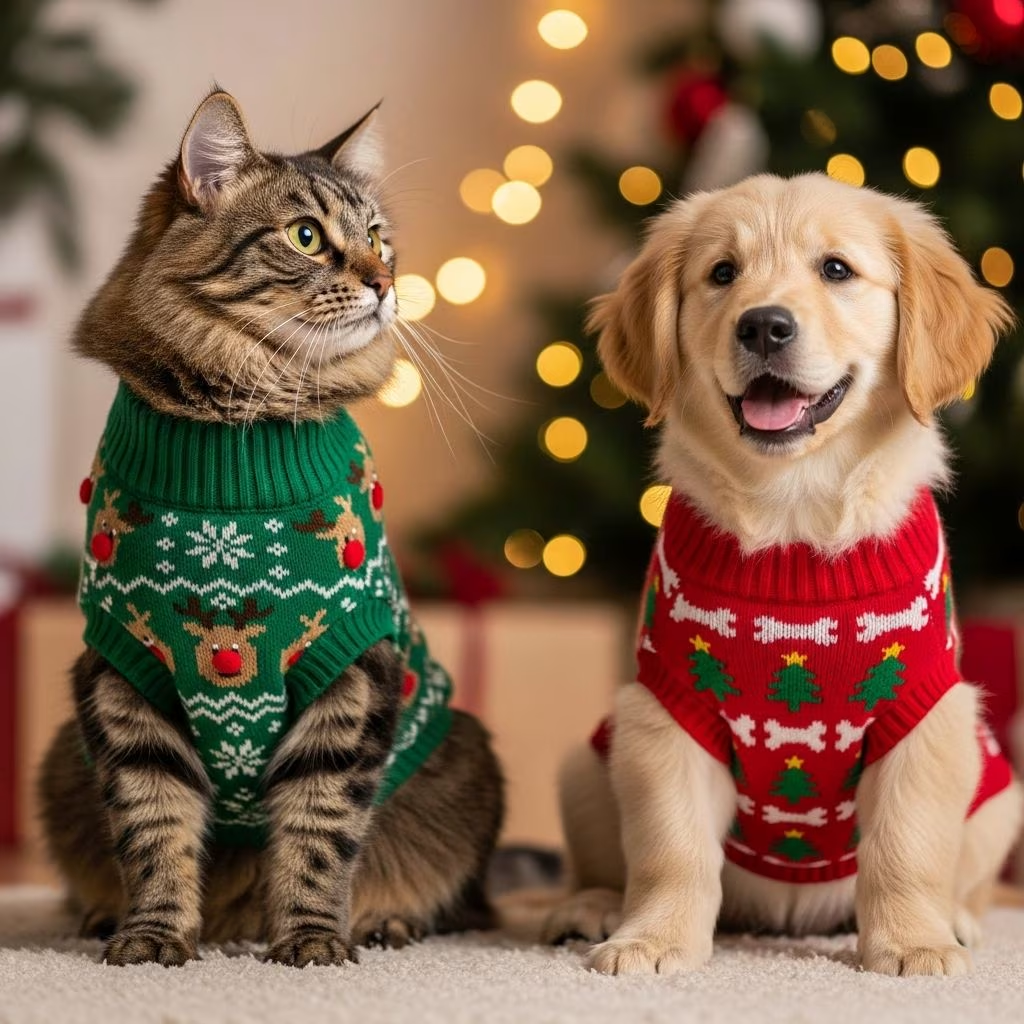
Cat & Dog Christmas Sweaters: A Complete Holiday Fashion Guide
The holiday season brings joy, festive decorations, and opportunities to celebrate with our beloved pets. One popular way to include our furry companions in the holiday spirit is by dressing them in adorable Christmas sweaters. However, selecting and introducing holiday clothing requires careful consideration to ensure your pet remains comfortable, safe, and stress-free. This comprehensive guide covers everything you need to know about choosing, fitting, and caring for Christmas sweaters for both cats and dogs.
Understanding Pet Clothing Needs During the Holidays
Before selecting a Christmas sweater, it’s important to understand why pets might need additional clothing. Dogs with short coats or smaller breeds may benefit from extra insulation during cold winter months. Cats, being naturally equipped with dense fur, typically require clothing less frequently, but some may appreciate the comfort of a cozy sweater indoors during heated celebrations. The primary consideration when dressing pets in holiday clothing should always be their comfort and well-being, not solely aesthetic appeal.
Pet clothing serves functional purposes beyond style. Sweaters can provide warmth for sensitive breeds, protect skin conditions from further irritation, and in some cases, help anxious pets feel more secure. However, it’s crucial to recognize that not all pets enjoy wearing clothing, and forcing uncomfortable garments onto resistant animals can cause stress and anxiety.
Selecting the Right Material for Your Pet’s Sweater
The material of a Christmas sweater significantly impacts your pet’s comfort level and safety. Different fabrics offer various benefits and drawbacks for pet clothing.
Natural Fibers
Natural materials like wool provide excellent insulation and temperature regulation. Wool sweaters keep pets warm without overheating and offer breathability that synthetic materials sometimes lack. However, wool requires special care during washing and may irritate pets with sensitive skin. Some pets may also experience itching from wool fibers, making it less suitable for animals with dermatological sensitivities.
Synthetic Materials
Acrylic and polyester blends are popular choices for pet Christmas sweaters because they are durable, easy to clean, and affordable. These materials can be machine-washed on gentle cycles, making maintenance straightforward. Polyester-acrylic blends often provide adequate warmth while remaining lightweight, and they’re less likely to cause irritation in pets with sensitive skin. Cotton blends offer another breathable option, though they may not provide as much insulation as acrylic or wool alternatives.
Specialty Materials
Fleece represents another excellent option for pet sweaters, offering softness, warmth, and easy maintenance. Fleece drains moisture effectively and provides comfort without excessive weight. For outdoor holiday celebrations, consider materials with water-resistant properties to keep your pet dry during winter weather.
Proper Fitting Guidelines for Dogs and Cats
Correct fitting is essential to ensure your pet remains comfortable and safe in their Christmas sweater. A poorly fitting garment can restrict movement, cause discomfort, and even create hazards.
Taking Accurate Measurements
Begin by measuring your pet carefully. Using a soft measuring tape, measure from the base of your pet’s neck to the base of their tail for length. For chest circumference, measure around the widest part of the chest, just behind the front legs. Take measurements while your pet stands naturally; measurements taken while sitting or stretching can be inaccurate. Record these measurements and compare them against the sizing chart provided by the manufacturer.
Understanding Fit Parameters
The sweater should fit snugly enough to provide warmth but loose enough to allow complete freedom of movement. You should be able to fit one to two fingers comfortably between the sweater and your pet’s body. The sweater should not restrict leg movement or cause your pet to walk awkwardly. For dogs, ensure the sweater doesn’t impede their ability to use the bathroom comfortably. For cats, the garment should allow full range of motion for grooming and movement.
Accounting for Body Shape Variations
Different breeds have different body shapes, and this affects how clothing fits. Dogs with deep chests may need larger sizes despite overall smaller stature. Cats with muscular builds might need different sizing than slender breeds. Pay attention to your pet’s unique body proportions when selecting sizes, and consider trying on sweaters before purchasing when possible.
Introducing Christmas Sweaters Without Stress
Many pets experience anxiety or resistance when wearing clothing for the first time. A gradual, patient introduction process significantly increases the likelihood that your pet will accept and tolerate their festive sweater.
The Step-by-Step Introduction Process
Step One: Familiarization — Begin by allowing your pet to investigate the sweater. Let them sniff and examine the garment while it remains on a nearby surface. This reduces the fear factor associated with unfamiliar objects.
Step Two: Positive Association — Associate the sweater with positive experiences by offering treats and praise while showing it to your pet. This creates positive mental connections with the clothing.
Step Three: Short Duration Wearing — On the first day, allow your pet to wear the sweater for just five to ten minutes while providing treats and gentle praise. Gradually increase wearing time over several days as your pet becomes more comfortable.
Step Four: Activity and Reward — Engage your pet in their favorite activities while wearing the sweater. If your dog loves playing fetch, play fetch while they wear the sweater. If your cat enjoys treats, offer special treats while clothed. This shifts focus from the discomfort of wearing clothing to enjoyable activities.
Step Five: Extended Wear — Once your pet tolerates the sweater comfortably for thirty minutes or more, you can begin wearing it for longer periods during appropriate situations.
Recognizing Signs of Discomfort
Pay close attention to your pet’s body language while wearing the sweater. Signs of distress include excessive scratching, attempts to remove the garment by rolling on the ground, panting excessively, reluctance to move, or behavioral changes like hiding or aggression. If your pet displays these signs, remove the sweater immediately and consult with a veterinarian if the behavior seems unusual or severe.
Safety Considerations for Holiday Clothing
Beyond proper fit and introduction, several safety factors should guide your selection and use of Christmas sweaters for pets.
Avoiding Hazardous Materials and Decorations
Christmas sweaters often feature decorative elements like buttons, beads, ribbons, or small ornaments. These decorations present choking hazards if they can be easily removed by curious pets. Select sweaters with securely attached decorations, or choose plain sweaters without loose embellishments. Avoid sweaters with tinsel trim, as ingested tinsel can cause severe intestinal blockages requiring surgical intervention.
Preventing Overheating
Indoors during heated holiday celebrations, your pet may overheat if wearing a sweater for extended periods. Remove the sweater when indoors in warm environments, and ensure your pet has access to cool spaces and fresh water. Be particularly cautious with brachycephalic breeds (those with flat faces) like Bulldogs and Persians, which are more prone to heat stress.
Monitoring for Skin Irritation
Some pets develop skin irritation from continuous clothing wear. Check your pet’s skin daily for redness, rashes, or unusual scratching. Limit sweater wear to appropriate times, and always ensure the sweater is clean before each use. Wash sweaters regularly to remove dirt, bacteria, and allergens that could irritate sensitive skin.
Ensuring Bathroom Access and Comfort
Never leave a sweater on your pet unsupervised, as clothing can shift and become uncomfortable or restrictive over time. Remove the sweater when your pet needs to use the bathroom, especially for dogs who may have difficulty with proper bathroom positioning while clothed.
Care and Maintenance of Pet Sweaters
Proper care extends the life of your pet’s Christmas sweaters and ensures hygiene and comfort.
Washing and Cleaning Guidelines
Acrylic and polyester sweaters can typically be machine-washed on gentle cycles using mild detergent. Turn the sweater inside out before washing to protect decorations and colors. Use cool or lukewarm water, never hot, as high temperatures can damage synthetic fibers and cause shrinkage. Avoid using fabric softeners, which can leave residue on fibers and reduce their effectiveness.
Wool sweaters require more delicate care. Hand-washing in cool water with wool-specific detergent is recommended, or use a wool program on your washing machine if available. Never wring or twist wool sweaters, as this causes permanent damage. Instead, gently squeeze excess water out and lay flat to dry on a clean towel.
Drying and Storage
Air-drying is preferred for most pet sweaters. Lay sweaters flat on clean towels or hang them on a drying rack. Avoid direct sunlight or heat sources, which can fade colors and damage fibers. Never use a clothes dryer for pet clothing unless the garment label specifically approves machine drying. Store clean, dry sweaters in a cool, dry location away from direct sunlight. Cedar blocks or lavender sachets can help deter moths and other pests without the strong chemical odor of mothballs.
Sizing Reference Table for Common Pet Sizes
| Pet Size Category | Typical Breeds | Chest Measurement | Length Measurement | Recommended Sweater Size |
|---|---|---|---|---|
| Extra Small | Chihuahuas, Teacup breeds, Kittens | 8-10 inches | 5-7 inches | XS |
| Small | Toy Poodles, Yorkies, Small cats | 10-14 inches | 8-10 inches | S |
| Medium | Beagles, Cocker Spaniels, Average cats | 14-18 inches | 10-14 inches | M |
| Large | Labradors, Golden Retrievers, Maine Coons | 18-24 inches | 14-18 inches | L |
| Extra Large | German Shepherds, Great Danes, Large breeds | 24-30 inches | 18-22 inches | XL |
Styling Tips for Christmas Sweaters
Beyond safety and fit, you can have fun styling your pet’s Christmas look. Choose sweaters in festive colors like red, green, white, or gold. Neutral colors like navy and gray work well for more subtle holiday aesthetics. Consider your pet’s natural coloring when selecting sweater colors to create attractive contrast or harmony.
Coordinate your pet’s sweater with household decorations or your own holiday attire for cohesive family photos. Many pet owners enjoy taking holiday photos featuring their dressed-up companions, creating lasting memories of festive celebrations.
When Not to Dress Your Pet in a Sweater
Recognize situations where clothing is inappropriate or unsafe. Never dress your pet in a sweater and then leave them unattended for extended periods. Do not place sweaters on pets during outdoor activities in wet conditions unless the sweater is specifically designed to be water-resistant. Avoid dressing senior pets or those with mobility issues in restrictive clothing that could impede their movement or cause injury if they fall.
Pets with certain medical conditions should not wear clothing without veterinary approval. If your pet has skin conditions, recent surgical sites, or mobility issues, consult your veterinarian before introducing clothing.
Frequently Asked Questions
Q: How long can my pet safely wear a Christmas sweater?
A: Most pets can wear well-fitting sweaters for 2-4 hours at a time. Remove the sweater regularly to check for discomfort, allow skin to breathe, and prevent overheating. Always remove sweaters during outdoor activities, bathroom breaks, or when your pet is unsupervised.
Q: Are Christmas sweaters necessary for my pet?
A: Christmas sweaters are optional and primarily for comfort and aesthetics. Short-haired and small dog breeds benefit more from sweaters in cold weather, while cats rarely need clothing. If your pet resists wearing a sweater, don’t force the issue—their comfort and well-being are more important than festive fashion.
Q: Can I leave a sweater on my cat overnight?
A: No. Never leave a sweater on any pet overnight or unsupervised. Clothing can shift, become uncomfortable, trap heat, or create entanglement hazards. Remove sweaters when you cannot actively monitor your pet.
Q: What if my pet has anxiety about wearing clothing?
A: Take a slower approach to introduction, offering more frequent short sessions with high-value treats. Some pets never become comfortable with clothing, and that’s acceptable. Your pet’s emotional well-being takes priority over appearance. Consider alternatives like bandanas or collar accessories instead.
Q: How often should I wash my pet’s Christmas sweater?
A: Wash the sweater every 3-5 wearings or whenever visibly soiled. More frequent washing can wear out fibers faster. Always follow care label instructions, and use gentle detergents appropriate for the specific material.
Q: What materials are safest for pets with sensitive skin?
A: Hypoallergenic materials like high-quality polyester blends, cotton, or specially designed pet-safe fabrics are best for sensitive skin. Avoid low-quality acrylic that may cause irritation. If your pet has known allergies or skin conditions, consult your veterinarian about appropriate materials.
References
- A Guide to Christmas Pet Safety: Ensuring Your Dog’s Well-being During the Festive Season — PetPace. 2025. https://petpace.com/a-guide-to-christmas-pet-safety-ensuring-your-dogs-well-being-during-the-festive-season/
- Holiday Safety Tips — American Society for the Prevention of Cruelty to Animals (ASPCA). 2025. https://www.aspca.org/pet-care/general-pet-care/holiday-safety-tips
- Winter Holiday Pet Safety — American Veterinary Medical Association (AVMA). 2025. https://www.avma.org/resources-tools/pet-owners/petcare/holiday-pet-safety
- How to Introduce Christmas Outfits to Your Cat Without Stress or Harm — DHGate Smart. 2025. https://smart.dhgate.com/how-to-introduce-christmas-outfits-to-your-cat-without-stress-or-harm/
- Christmas Sweaters for Dogs: Fit, Materials, Safety and Stylish Gift Ideas — Christmas Sweats. 2025. https://christmassweats.com/blogs/everythingaboutchristmas/christmas-sweaters-for-dogs
- Keep Pets Safe Throughout the Holiday Season — County News Center. 2024. https://www.countynewscenter.com/keep-pets-safe-throughout-the-holiday-season/



