

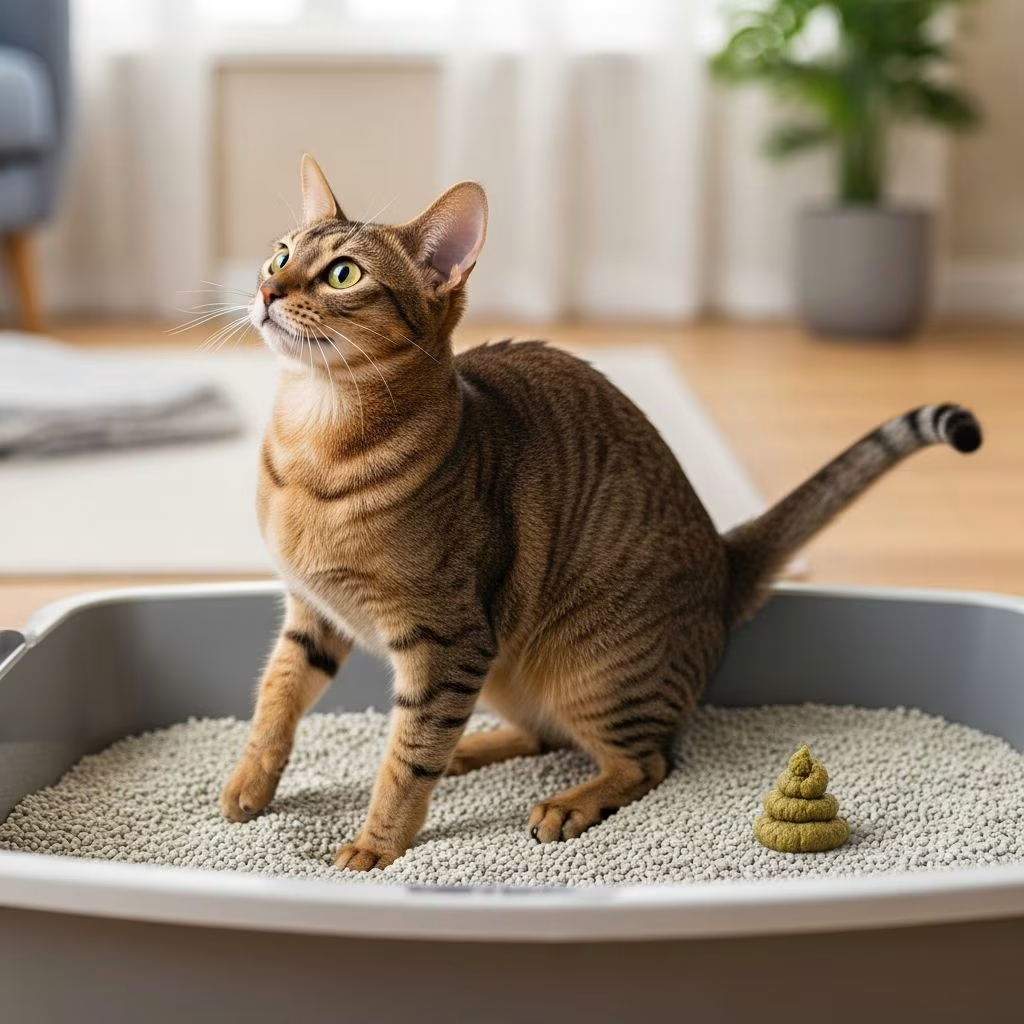
Cats instinctively cover their poop to hide their scent from predators, a survival behavior retained from their wild ancestors. When a domestic cat leaves poop uncovered, it signals an underlying issue like litter dissatisfaction, health problems, stress, or dominance displays. Understanding these causes helps restore normal habits and maintain litter box hygiene.
Why Do Cats Cover Their Poop in the First Place?
In the wild, cats bury feces to mask their presence from predators and competitors. This instinct persists in house cats, promoting cleanliness and reducing odor in shared spaces. Domestic cats perform a digging motion post-elimination to cover waste, typically using hind paws to rake litter over it. Failure to do so deviates from this norm and warrants investigation.
Studies on feline elimination behavior show cats prefer adequate litter depth for proper covering. Insufficient substrate leads to redirected pawing on nearby surfaces, mimicking the burying action without success. This ingrained ritual also prevents parasite spread and keeps territories odor-free.
Top Reasons Your Cat Isn’t Covering Poop
Several factors contribute to this behavior change. Identifying the root cause through observation is key to resolution.
1. Litter Box Problems
The most common culprit is an unsatisfactory litter box setup. Cats are fastidious and reject boxes that are too small, dirty, or filled with disliked litter. A cramped tray prevents comfortable turning and digging, while infrequent cleaning (less than daily) deters use and covering.
- Size issues: Adult cats need boxes at least 1.5 times their body length for maneuvering.
- Cleanliness: Scoop waste 1-2 times daily; full changes every 1-4 weeks depending on litter type.
- Litter type: Preferences vary—clumping vs. non-clumping, scented vs. unscented, fine vs. coarse textures. Experiment with options like pine, crystal, or clay.
- Location and design: Avoid high-traffic areas, covered boxes that trap odors/scents, or spots near food/noise.
In multi-cat homes, overcrowding exacerbates issues; provide one box per cat plus one extra.
2. Medical Issues
Health problems make covering painful or impossible. Arthritis limits mobility for digging, while gastrointestinal disorders cause urgency, prompting quick exits. Conditions include constipation, diarrhea, inflammatory bowel disease, urinary tract infections, or paw injuries.
Senior cats face age-related challenges like cognitive dysfunction (feline dementia), leading to forgotten routines. Pain during defecation associates the box with discomfort, skipping the cover step. Veterinary exams, including fecal tests and bloodwork, diagnose these; early intervention prevents escalation.
3. Stress and Anxiety
Environmental changes disrupt routines. New pets, moves, household alterations, or routine shifts induce anxiety, manifesting as litter avoidance or incomplete rituals. Cats in multi-species homes feel vulnerable if dogs lurk nearby during elimination.
High-traffic box locations startle cats mid-process, causing hasty departures. Stress alters scent-marking; some leave poop exposed as a temporary response, resolving with stability.
4. Territorial Marking or Dominance
Alpha cats or those asserting territory intentionally leave poop uncovered to signal presence to rivals. In multi-cat households, this communicates dominance without aggression. Single-cat homes rarely show this, but confident felines may exhibit it sporadically.
5. Behavioral or Learned Habits
Kittens separated early from mothers miss learning proper techniques. Lazy or indifferent adults skip the effort, especially if reinforced by lack of correction. Age-related cognitive decline in seniors mimics this forgetfulness.
6. Other Factors
Poor litter depth (under 2-3 inches) hinders covering. Overly scented litters irritate sensitive noses. In clinic studies, cats paw walls/floors when substrate is inadequate, highlighting environmental influence.
How to Get Your Cat to Cover Its Poop: Solutions
Systematic troubleshooting restores habits. Start with non-invasive changes before seeking professionals.
Optimize the Litter Box
Upgrade to larger, open boxes in quiet locations. Test litters systematically, tracking preferences over 1-2 weeks per type. Maintain rigorous cleaning: scoop daily, refresh weekly.
| Litter Type | Pros | Cons | Best For |
|---|---|---|---|
| Clumping Clay | Easy scooping, odor control | Dusty, tracked | Most cats |
| Non-Clumping Clay | Affordable, low dust | Requires full changes | Budget owners |
| Crystal/Silica | Superior odor absorption | Expensive, noisy | Odor-sensitive homes |
| Pine/Wood | Natural, biodegradable | Strong scent | Eco-conscious owners |
Address Health Concerns
Schedule a vet visit for sudden changes, especially with symptoms like straining, blood, or lethargy. Treatments may include pain relief, diet adjustments, or mobility aids for arthritic cats.
Reduce Stress
Maintain routines, provide hiding spots, and use synthetic pheromones (Feliway diffusers). Introduce changes gradually; separate new pets initially. Create safe zones away from disruptions.
Training and Reinforcement
Positive methods work best. Reward covering with treats/praise immediately after. Clicker training marks the behavior precisely. Gently guide paws to litter post-use if safe, avoiding force.
- Observe patterns: Note timing, box used, and pre/post behaviors.
- Multiple boxes: Essential for multi-cat homes to reduce competition.
- Patience: Changes take 1-2 weeks; persistence pays off.
Prevention Tips for Long-Term Success
Proactive care minimizes recurrence. Monitor weight, diet, and behavior quarterly. Annual vet checkups catch issues early. Balanced nutrition prevents GI problems; high-fiber foods aid regularity.
Enrich environments with toys/scratching posts to lower baseline stress. Track litter use via apps or journals for anomalies. In senior cats, ramps into boxes ease access.
Frequently Asked Questions (FAQs)
Is it bad if my cat doesn’t cover its poop?
Not inherently dangerous, but it indicates dissatisfaction or health issues. Address promptly to avoid escalation to box avoidance or spraying.
Will my cat eventually learn to cover poop?
Kittens usually learn by 8-12 weeks from mothers. Adults retrain via optimization and rewards; consult behaviorists for stubborn cases.
Should I punish my cat for not covering poop?
Never—punishment increases stress, worsening behavior. Use positive reinforcement only.
How often should I clean the litter box?
Scoop daily, dump/refill every 1-4 weeks. Multi-cat homes need more frequent attention.
Can diet affect poop covering?
Yes; poor diet causes loose stools or constipation, making covering messy or painful. Switch to high-quality, fiber-rich food.
When to See a Vet
Seek professional help if behavior persists post-litter tweaks, accompanies appetite loss, vocalizing, or blood. Rule out parasites, infections, or arthritis promptly.
References
- Why Do Cats Bury Their Poop? — PetMD. 2023-05-15. https://www.petmd.com/cat/behavior/why-do-cats-bury-their-poop
- Cat Not Covering Poop in Litter Box: Causes and Solutions — UAH Pet Veterinary Hospital. 2024-02-10. https://www.uahpet.com/blogs/post/cat-not-covering-poop-in-litter-box-causes-and-solutions
- Top Reasons Cats Stop Covering Their Poop — Pets Best Insurance. 2023-11-20. https://www.petsbest.com/blog/3-reasons-cats-stop-covering-their-poop
- Why Doesn’t My Cat Cover Her Poop? Top 6 Causes Explained — Cats.com. 2024-01-05. https://cats.com/why-doesnt-my-cat-cover-her-poop
- Why Do Cats Bury The Poop? Is This Normal? — Chewy. 2023-08-12. https://www.chewy.com/education/cat/training-and-behavior/why-do-cats-bury-their-poop



