

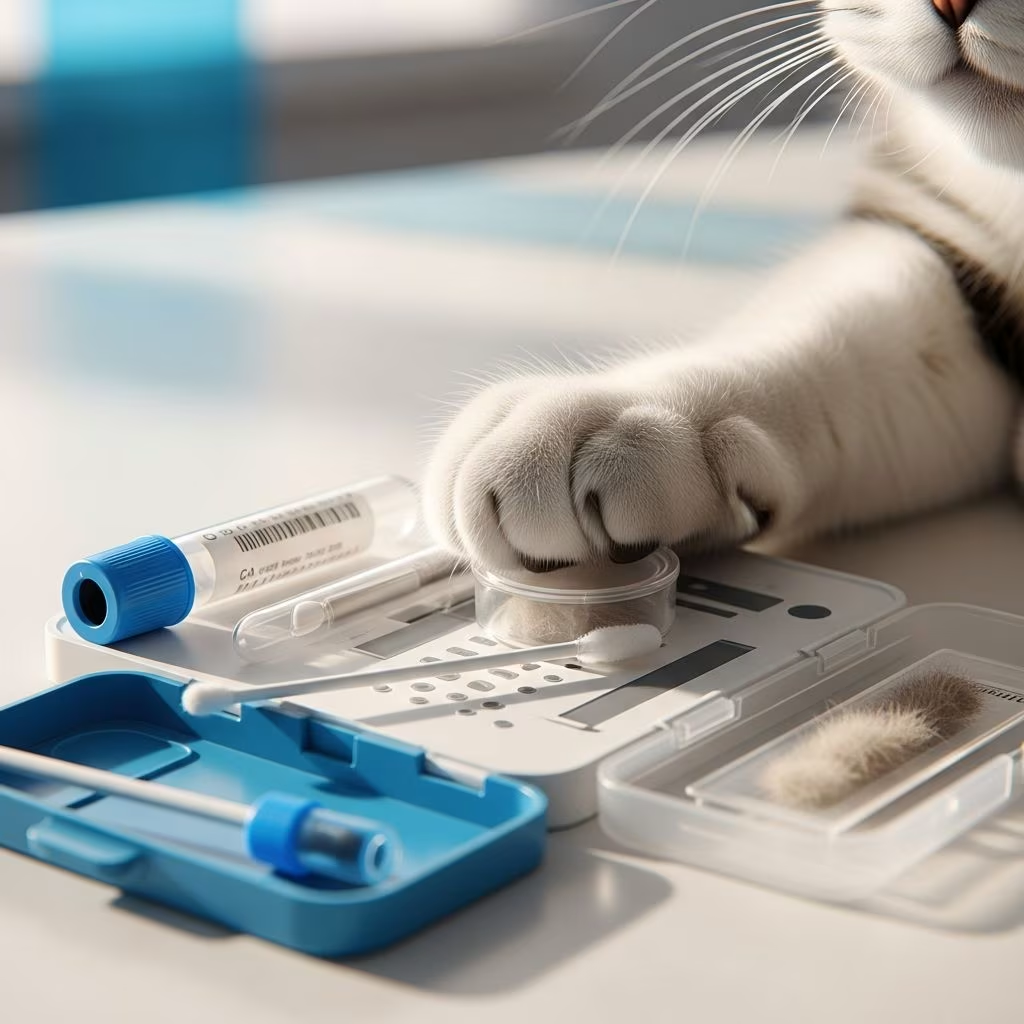
Understanding Cat DNA Tests
If you’ve ever wondered about your cat’s breed background or wanted to understand their genetic predispositions to certain health conditions, a cat DNA test could provide valuable insights. Cat DNA testing has become increasingly accessible to pet owners, allowing you to learn more about your feline companion’s genetic makeup without requiring a visit to the veterinarian’s office. Whether you have a mixed-breed rescue or a purebred cat, DNA testing can reveal fascinating information about your pet’s ancestry, health risks, and unique genetic traits.
Cat DNA tests work similarly to human home DNA tests, making them convenient and easy to use. The process involves collecting a simple cheek swab from your cat and mailing it to a testing laboratory where scientists analyze the genetic material and compare it against extensive databases of known cat breeds and genetic markers.
How Cat DNA Tests Work
The process for conducting a cat DNA test is straightforward and non-invasive, making it accessible for most cat owners. Understanding how these tests function can help you decide whether testing is right for your pet and what to expect throughout the process.
The Collection Process
Unlike human DNA tests that require saliva samples, cat DNA tests use a simple cheek swab method. When you order a DNA test kit, it arrives at your home with everything you need to collect the sample. You’ll gently rub the included swab against the inside of your cat’s cheek to collect cells containing DNA. This process is painless and typically takes just a few seconds. Once collected, you place the swab in the provided container and seal it according to the kit’s instructions.
Laboratory Analysis
After you mail the sealed sample back to the testing company using the prepaid shipping label included in most kits, the laboratory receives and processes your cat’s DNA. Technicians extract the DNA from the cells collected on the swab and run it through sophisticated computer algorithms connected to extensive genetic databases. These databases contain information about recognized cat breeds, genetic markers, health conditions, and other feline traits. The laboratory compares your cat’s genetic profile against this database to generate results.
Timeline for Results
The time it takes to receive results varies depending on the testing company and their current workload. Most cat DNA tests deliver results within two to six weeks of the laboratory receiving your sample. Some companies provide faster turnaround times, with results arriving within a couple of weeks. Once your results are ready, you’ll typically receive notification via email with instructions for accessing your comprehensive genetic report online or through a mobile app.
What Cat DNA Tests Can Reveal
Cat DNA testing provides owners with comprehensive information about their pet’s genetic background and health profile. The insights gained from these tests can help you better understand your cat’s needs, anticipate potential health concerns, and make informed decisions about their care.
Breed Identification and Composition
One of the primary uses of cat DNA tests is identifying your cat’s breed or breed mix. The test reveals your cat’s breed type, often with percentage breakdowns showing what proportion of their genetics come from each identified breed. This information helps clarify the background of rescue cats or mixed-breed felines. However, it’s important to understand that breed identification depends on whether your cat’s breeds are represented in the testing company’s database. Some tests can identify specific breeds with percentages, while others may provide broader categorizations of breed types.
Genetic Diversity Information
DNA tests provide insights into your cat’s genetic diversity compared to the broader cat population. This information demonstrates how genetically unique your cat is and can indicate whether they come from a diverse genetic background or a more limited one. Understanding genetic diversity can be particularly valuable for breeders and those interested in your cat’s lineage.
Physical and Behavioral Traits
Beyond breed identification, cat DNA tests reveal information about specific physical and behavioral characteristics. These include:
- Coat color and pattern genetics
- Blood type and other blood markers
- Body frame and size predispositions
- Behavioral tendencies associated with breed heritage
- Personality traits linked to genetic background
Health and Nutritional Information
Many cat DNA tests include screening for genetic health conditions and nutritional factors. Results may highlight potential intolerances, nutritional deficiencies, or dietary sensitivities your cat may be predisposed to develop. This information allows you to proactively adjust your cat’s diet and care routine to prevent or manage these issues before they become problematic.
Genetic Disease Risk Assessment
One of the most valuable aspects of cat DNA testing is the ability to identify your cat’s risk of developing genetic diseases. Comprehensive tests screen for multiple genetic health conditions that may affect your cat’s wellness. Some advanced tests even include carrier status screening, which identifies whether your cat carries genetic mutations for diseases they may never experience but could potentially pass to offspring. Understanding these risks allows you to work with your veterinarian to implement preventive care strategies and monitor your cat more closely for early signs of developing conditions.
Accuracy of Cat DNA Tests
Understanding the accuracy levels of cat DNA tests is crucial for setting realistic expectations about what you’ll learn from testing. While these tests provide valuable information, it’s important to recognize their current limitations and evolving science.
Current Accuracy Limitations
Cat DNA testing is quite accurate for what it’s designed to do, but it’s not perfect. No cat DNA test achieves 100% accuracy, as various factors influence the reliability of results. The accuracy of cat DNA testing depends on several elements, including the size of the testing company’s genetic database, the quality of the DNA sample provided, and the specific information being tested for.
One significant limitation is that cat genetic research hasn’t been as extensively developed as human or dog DNA testing. Scientists have far less comprehensive genetic information about cats compared to humans or dogs, which means fewer tests are available and less is known about feline genetics overall. This limited research base directly impacts what information can be reliably extracted from cat DNA samples.
Database Size and Breed Coverage
The accuracy of breed identification depends heavily on the testing company’s database size and breed coverage. Companies with larger feline genetic databases can more accurately identify your cat’s genetic makeup. For example, leading providers test for multiple specific breeds across different breed groups, allowing for more precise breed identification. If your cat’s breed isn’t represented in a particular company’s database, the test may not accurately identify that breed in your cat’s genetics.
Factors Affecting Accuracy
Several factors can influence the accuracy of your cat DNA test results:
- Sample quality and proper collection technique
- DNA degradation during shipping or storage
- The comprehensiveness of the testing company’s genetic database
- Whether your cat’s specific breeds are included in the database
- The laboratory’s testing protocols and quality control measures
- Updates to breed and disease information in the database
Comparing Top Cat DNA Testing Options
| Test Feature | Basepaws | Wisdom Panel | Other Options |
|---|---|---|---|
| Database Size | Largest feline database | Comprehensive | Varies |
| Breed Identification | 21+ specific breeds | Multiple breeds | Limited |
| Health Screening | 40+ conditions | Yes | Basic screening |
| Vet Consultation | Free consultation included | Not included | Not included |
| Advanced Options | Whole-genome sequencing available | Comprehensive reporting | Standard only |
| Database Updates | Unlimited health marker updates | Regular updates | Periodic updates |
| Results Timeline | 2-3 weeks typical | 2 weeks | 2-6 weeks |
Choosing the Right Cat DNA Test
When selecting a cat DNA test, consider several important factors to ensure you choose one that meets your specific needs and provides value for your investment.
Ease of Use
Look for tests that come with simple, straightforward sampling methods. The collection process should be quick and stress-free for both you and your cat. Comprehensive instructions should accompany each kit, making it clear how to collect and mail your sample.
Results Timeline
Consider how quickly you need results. While some people don’t mind waiting several weeks, others prefer faster turnaround times. Research testing companies’ average timelines and choose one that aligns with your expectations.
Comprehensiveness and Value
Evaluate what information each test provides relative to its cost. More comprehensive tests that include extensive health screening, breed identification across multiple breed groups, and detailed trait analysis typically offer better value than basic tests. Some companies offer advanced options like whole-genome sequencing for those wanting the most detailed genetic information possible.
Additional Features
Consider whether features like veterinary consultations, unlimited database updates, or access to genetic counseling add value to your purchase. Some tests include bonus features that provide additional insights and support for interpreting your results.
Interpreting Your Cat’s DNA Results
Once you receive your cat’s DNA test results, understanding how to interpret and use this information is important for making meaningful decisions about your cat’s care.
Understanding Breed Percentages
If your results show breed percentages, understand that these represent the proportion of your cat’s genome that matches known breed genetics. However, recognize that breed identification has limitations due to database constraints. Your cat may belong to breeds not yet documented in the database, or the results may provide broader breed category information rather than specific breed identification.
Evaluating Health Risk Information
Health screening results should be discussed with your veterinarian. A genetic predisposition to a health condition doesn’t guarantee your cat will develop that condition. Instead, it means your cat has an elevated risk, and proactive monitoring and preventive care may help manage or delay onset. Your vet can help you create a tailored wellness plan based on your cat’s specific genetic risk profile.
Leveraging Trait Information
Use information about your cat’s genetic traits and behavioral predispositions to better understand their needs. If your cat has genetic predispositions toward certain behaviors, you can provide environmental enrichment and training to support these natural tendencies. Similarly, understanding nutritional predispositions helps you choose appropriate food and supplements.
The Future of Cat DNA Testing
Cat DNA testing continues to evolve as scientists expand feline genetic research and expand breed databases. The science of pet DNA testing is not yet perfect, and there remains room for improvement. However, as more cats are tested and more genetic information is collected, future tests will become increasingly accurate and comprehensive. Your cat’s DNA test results can actually contribute to improving future testing by adding to the growing database of feline genetic information.
Frequently Asked Questions
Q: How accurate are cat DNA tests?
Cat DNA tests are quite accurate but not 100% perfect. Accuracy depends on the testing company’s database size, sample quality, and whether your cat’s specific breeds are included in the database. Leading tests with larger databases provide more reliable results than basic options.
Q: Can a DNA test tell if my cat is at risk for genetic disease?
Yes. Cat DNA tests can identify your cat’s risk of genetic diseases. Comprehensive tests screen for numerous genetic health conditions. Some tests include carrier risk screening, which identifies genetic mutations your cat may carry even if they never develop the condition themselves.
Q: How long does it take to get cat DNA test results?
Most cat DNA tests deliver results within two to six weeks of the laboratory receiving your sample. Some companies offer faster processing, with results arriving within two to three weeks.
Q: What exactly will I learn about my cat’s breed?
You’ll learn your cat’s breed type, usually with percentage breakdowns showing genetic composition from different breeds. However, exact breed identification depends on whether your cat’s breeds are in the testing database. Results may show specific breeds or broader breed categories.
Q: Is cat DNA testing worth the cost?
The value depends on your goals. If you want breed identification, health risk screening, and genetic insights, comprehensive tests provide substantial value. If you only want basic breed information, simpler tests may suffice. Consider what information matters most to you and your cat’s health needs.
Q: Can I use cat DNA test results to improve my cat’s health?
Yes. DNA results can help you work with your veterinarian to implement preventive care strategies for identified health risks, adjust your cat’s diet based on genetic nutritional predispositions, and better understand your cat’s behavioral tendencies to provide appropriate enrichment and care.
References
- 4 Best Cat DNA Test Kits in 2025 — DNA Weekly. 2025-11-28. https://www.dnaweekly.com/blog/best-dna-tests-for-cats/
- Are Cat DNA Tests Accurate? How They Work & More — Catster. 2025-11-28. https://www.catster.com/cat-health-care/are-cat-dna-tests-accurate/
- Genetic testing in domestic cats — National Center for Biotechnology Information (NCBI). 2012. https://pmc.ncbi.nlm.nih.gov/articles/PMC3541004/
- Pet DNA Test: Is Dog and Cat Genetic Testing Worth It? — Bond Vet. 2025-11-28. https://bondvet.com/blog/pet-dna-test
- What Genetic Testing Can and Can’t Tell You About Your Pet — University of California, Davis School of Veterinary Medicine. 2023-03-15. https://synergy.vetmed.ucdavis.edu/news-article-spring-2023/what-genetic-testing-can-and-cant-tell-you-about-your-pet



