

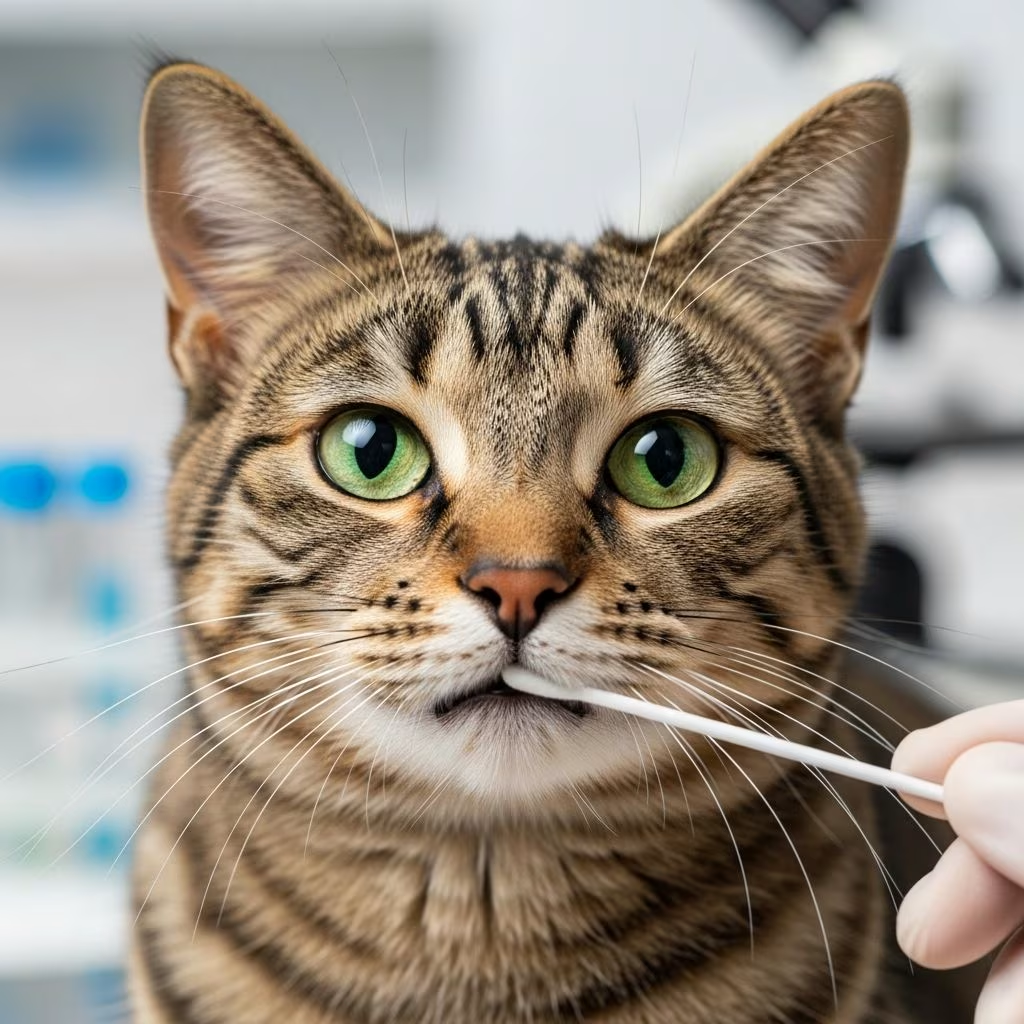
Cat DNA tests offer pet owners a window into their feline companions’ genetic makeup, revealing potential health risks, breed influences, and unique traits. While these tests provide valuable information, their accuracy varies based on the technology used and the data available for cats.
Understanding Feline Genetic Testing Basics
Genetic testing in cats involves analyzing DNA samples, typically collected via cheek swabs, to detect specific markers associated with traits, diseases, or ancestry. Unlike human tests, which benefit from vast genomic databases, cat testing relies on a smaller pool of reference data, limiting precision for some applications.
Laboratories employ methods like Polymerase Chain Reaction (PCR) to amplify targeted DNA segments. For instance, testing for the silver coat color mutation uses PCR followed by gel electrophoresis to identify variant sizes, confirming if a cat carries one or two copies of the dominant allele. This approach is reliable for single-gene traits but faces challenges with complex polygenic characteristics.
Key Applications of Cat DNA Testing
Cat owners turn to DNA tests for several reasons, each with varying levels of reliability.
- Breed Composition: Tests estimate breed percentages by comparing a cat’s DNA to breed-specific profiles. However, results often provide broad categories rather than exact matches due to limited breed databases.
- Health Risk Assessment: Screens for mutations linked to conditions like Polycystic Kidney Disease (PKD) in Persians or Hypertrophic Cardiomyopathy (HCM). Studies show these tests have helped reduce PKD prevalence in breeding programs from around 40% to lower rates through targeted screening.
- Trait Identification: Reveals traits like coat color (e.g., silver inhibitor), fur length, or blood type, aiding breeders in predictable matings.
- Allergy and Sensitivity Insights: Some tests flag potential sensitivities, though evidence is preliminary and not always breed-specific.
Cytogenetic testing, an older method, examines chromosomes for abnormalities, useful for cats with reproductive issues or ambiguous genitalia. Modern tests also leverage mitochondrial DNA for ancestry tracing, identifying major haplogroups in over 83% of global cat populations.
How Reliable Are These Tests?
No genetic test achieves 100% accuracy due to factors like sample quality, lab errors, and genetic complexity. For single-gene traits, such as the silver inhibitor, tests are highly dependable when using fresh DNA, but degraded samples or certain amplification methods can lead to failures.
A comprehensive study of over 11,000 cat samples across 90 breeds analyzed 87 disease and trait variants, uncovering new associations and confirming reductions in disorders like PKD through testing. Yet, direct-to-consumer kits lack regulation, prompting skepticism from veterinarians about breed identification claims.
| Aspect | Accuracy Level | Key Limitations |
|---|---|---|
| Single-Gene Traits (e.g., Silver Coat) | High (near 100% with good samples) | Degraded DNA, lab errors |
| Health Mutations (e.g., PKD, HCM) | High for known variants | Not all diseases covered; emerging breeds untested |
| Breed ID | Moderate to Low | Limited database; mixed ancestry murky |
| Complex Traits | Variable | Polygenic; environmental influences |
Hybrid breeds like Bengals pose additional challenges, as tests aren’t validated for wild-domestic crosses, potentially causing allelic drop-out.
Factors Influencing Test Outcomes
Several variables impact results:
- Sample Collection: Improper swabbing leads to contamination or insufficient DNA.
- Lab Technology: PCR-based tests excel for specifics, while microarray panels screen broadly but may miss rare variants.
- Database Size: Cats have less genomic data than dogs, reducing ancestry precision.
- Interpretation: Companies vary in algorithms; unregulated tests risk overconfident claims.
Recent research emphasizes re-sampling for discrepancies, as seen in silver testing resolutions. For breeders, knowing homozygosity (two mutation copies) predicts offspring outcomes reliably.
Choosing the Right DNA Test Provider
Select labs with veterinary oversight and transparent methodologies. University-affiliated facilities, like those offering PCR for silver, provide validated results. Commercial panels from companies analyzing thousands of samples offer broad insights but verify their peer-reviewed backing.
Consult a veterinarian before testing, especially for health concerns. They can recommend tests for specific risks and interpret results alongside clinical exams.
Real-World Benefits for Cat Owners and Breeders
DNA testing empowers proactive care. Early PKD detection allows monitoring and treatment, extending life. Breeders use trait tests for ethical pairings, reducing hereditary diseases. Owners gain personality or care insights, like long-hair grooming needs.
Large-scale screenings reveal genetic diversity: 12 major mitotypes dominate cat populations, with forensic utility. This data aids conservation and population studies.
Limitations and Cautions
Expect murkiness in breed ID; a “Siamese mix” might reflect general traits, not pedigree. Not all diseases are genetically testable—many involve environment or unknowns. Avoid over-reliance; tests complement, not replace, vet care.
Scientists urge caution with consumer kits due to unverified accuracy. For hybrids or rare traits, custom university tests may be superior.
Future Directions in Feline Genomics
Advancing full-genome sequencing promises better accuracy. Studies like the 11,000-sample analysis pave the way for expanded variant detection. As databases grow, breed ID and polygenic risk scores will improve, mirroring canine progress.
Species-specific insights, like cats’ lack of sweet taste receptors, highlight genomic uniqueness. Ongoing research into drug metabolism genes (e.g., UGT1A6) could personalize treatments.
Frequently Asked Questions (FAQs)
Are cat DNA tests worth the cost?
Yes for health screening and breeding; less so for casual breed curiosity due to limited precision.
How do I collect a DNA sample from my cat?
Rub a provided swab firmly inside the cheek pouch, air-dry, and mail per instructions. Avoid food 30 minutes prior.
Can DNA tests diagnose diseases?
No, they indicate risks. Confirm with veterinary diagnostics.
What if results don’t match my cat’s appearance?
Common for breeds/traits; retest or consult experts. Single recessive traits may hide.
Are results private?
Reputable labs protect data, but review privacy policies.
Final Thoughts on Making the Most of Cat DNA Insights
Cat DNA tests illuminate genetic potentials, guiding health and breeding decisions. Pair them with vet advice for optimal outcomes. As science evolves, their value will grow, benefiting cats worldwide.
References
- Silver (Inhibitor) Genetic Testing in Domestic Cat Breeds — University of Missouri College of Veterinary Medicine. 2024. https://cvm.missouri.edu/research/feline-genetics-and-comparative-medicine-laboratory/silver-inhibitor-genetic-testing-in-domestic-cat-breeds/
- Are Cat DNA Tests Accurate? How They Work & More — Catster. Accessed 2026. https://www.catster.com/cat-health-care/are-cat-dna-tests-accurate/
- Genetic testing in domestic cats — National Center for Biotechnology Information (PMC). 2013-01-01. https://pmc.ncbi.nlm.nih.gov/articles/PMC3541004/
- Decoding cats, one step at a time — Wisdom Panel. Accessed 2026. https://www.wisdompanel.com/en-us/blog/cat-genetics-and-health
- Here’s What a DNA Test Will Tell You About Your Dog (or Cat) — GoodRx. Accessed 2026. https://www.goodrx.com/pet-health/pets/is-it-worth-dna-testing-your-dog-cat



