

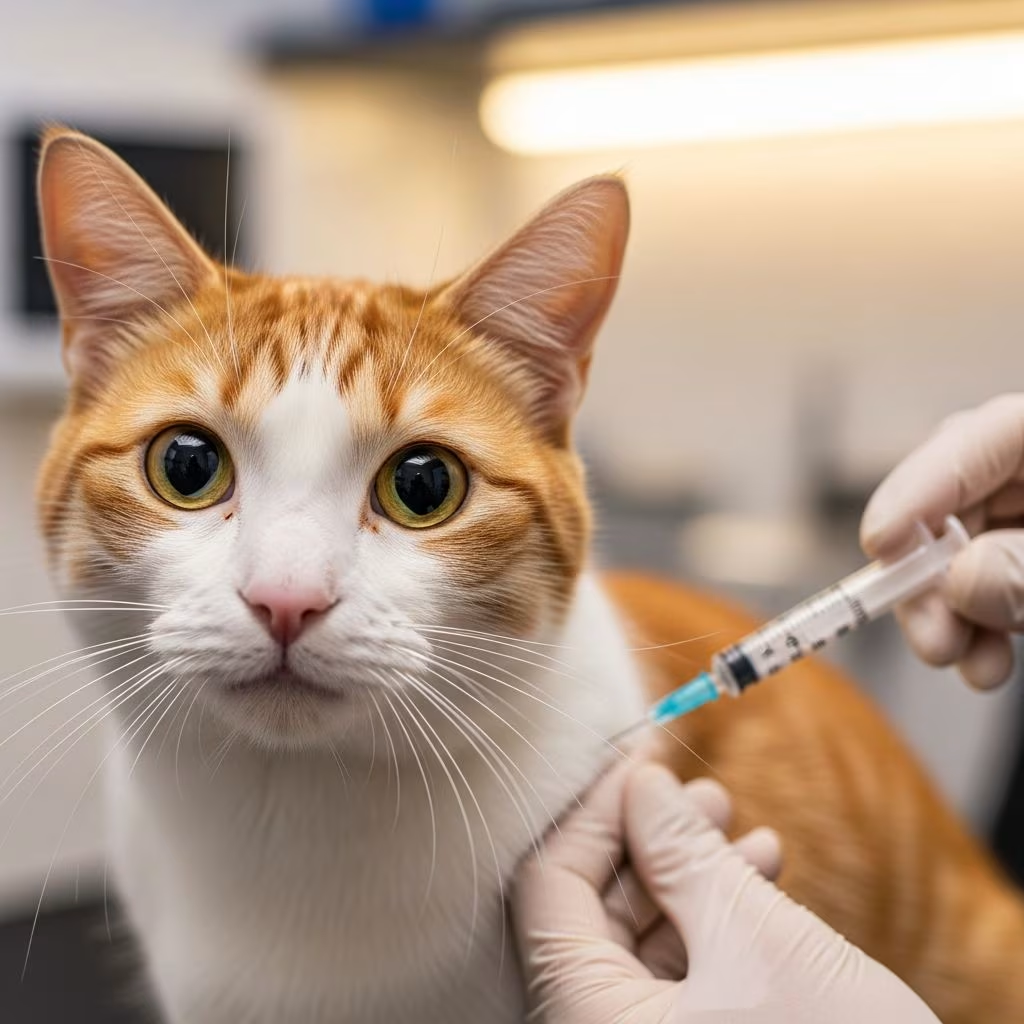
The FVRCP vaccine, commonly known as the cat distemper vaccine, is a cornerstone of feline preventive medicine. It protects against three major viral threats: feline panleukopenia (distemper), feline viral rhinotracheitis, and feline calicivirus, significantly reducing the risk of severe illness or death in cats.
Understanding the Core Components of Feline Protection
This combination vaccine targets viruses that spread easily in multi-cat environments like shelters, catteries, or households with multiple pets. Feline panleukopenia attacks the gut and immune cells, causing vomiting, diarrhea, and high mortality in unvaccinated kittens. Rhinotracheitis, caused by a herpesvirus, leads to upper respiratory issues like sneezing and eye discharge. Calicivirus brings mouth ulcers, fever, and pneumonia risks.
By introducing weakened or inactivated virus strains, the FVRCP stimulates the cat’s immune system to produce antibodies without causing disease. This prepares the body for real exposure, offering long-term defense.
Why Every Cat Needs This Vaccine
Unlike some optional shots, FVRCP is classified as a core vaccine by veterinary authorities, recommended for all cats regardless of lifestyle. Indoor cats remain at risk via contaminated objects, human clothing, or visiting animals carrying viruses that persist in environments for months.
- High contagiousness: Viruses shed in feces, saliva, and nasal secretions survive on surfaces.
- Vulnerable populations: Kittens under 6 months and immunocompromised cats face up to 90% mortality from panleukopenia.
- Public health parallel: Similar to human measles vaccines, it prevents outbreaks in dense populations.
Vaccination not only saves individual lives but curbs disease spread, protecting community cat health.
Vaccination Timeline for Kittens
Kittens inherit temporary maternal antibodies from colostrum, which wane by 6-8 weeks, leaving them susceptible. Vaccination must start early to bridge this gap.
| Age | Action | Purpose |
|---|---|---|
| 6-8 weeks | First dose | Initiate immunity buildup |
| 9-12 weeks | Second dose (3-4 weeks later) | Strengthen response |
| 12-16 weeks | Third dose | Overcome maternal antibodies |
| 6 months | Booster | Ensure full protection |
Most vets administer 3 doses to avoid gaps, as a single shot may not suffice if maternal interference persists. Delaying beyond 16 weeks requires two initial doses 3-4 weeks apart.
Adult Cat Vaccination Protocols
Adult cats with unknown histories or lapsed shots need catch-up protocols. Start with two doses 3-4 weeks apart, followed by annual or triennial boosters based on vaccine type and risk.
- Low-risk indoor cats: Every 3 years after the one-year booster.
- High-risk (outdoor/multi-cat homes): Annually.
- New adults: Treat as kittens if unvaccinated.
UC Davis guidelines emphasize a 6-month post-series booster for those vaccinated after 16 weeks. Always consult your vet for tailored advice, considering health status and local disease prevalence.
Potential Side Effects and Safety Measures
Most cats tolerate FVRCP well, with mild reactions like soreness or lethargy resolving in 24-48 hours. Rare issues include allergic responses (facial swelling, vomiting) treatable with prompt vet care.
Injection-site sarcomas are a noted concern with some vaccines, prompting recommendations for non-adjuvanted formulas and distal limb administration for tracking. Monitor post-vaccination and report persistent symptoms.
Comparing FVRCP to Other Feline Vaccines
| Vaccine | Diseases Protected | Core/Non-Core | Frequency |
|---|---|---|---|
| FVRCP | Panleukopenia, Rhinotracheitis, Calicivirus | Core | Every 1-3 years |
| FeLV | Feline Leukemia Virus | Non-core (risk-based) | Every 1-2 years |
| Rabies | Rabies Virus | Core (legal requirement) | Every 1-3 years |
FVRCP stands out for its broad protection against respiratory and enteric viruses ubiquitous in cat populations.
Real-World Impact: Survival Stories and Statistics
Before widespread vaccination, panleukopenia killed up to 90% of infected kittens. Today, vaccinated populations see near-elimination in controlled settings. Shelters report dramatic drops in respiratory outbreaks post-FVRCP mandates.
One study-linked insight: Core vaccines like FVRCP extend lifespan by preventing fatal infections, with unvaccinated cats facing 5-10x higher disease risk.
FAQs on Cat Distemper Vaccination
Do indoor cats really need the FVRCP vaccine?
Yes, viruses enter homes indirectly. The AVMA deems it essential for all cats.
Can I vaccinate my cat myself?
No, professional administration ensures proper dosing, monitoring, and record-keeping. Over-the-counter products risk inefficacy or reactions.
What if my cat misses a booster?
Restart the series or get a single booster if recently lapsed. Vets assess titer levels if available.
Is the vaccine 100% effective?
No vaccine is, but FVRCP provides 95%+ protection when current. Breakthroughs occur in high-exposure scenarios.
How do I know if my cat is protected?
Vaccination records and vet exams. Antibody titers offer confirmation but aren’t routine.
Steps to Keep Your Cat Vaccinated
- Schedule kitten series at first vet visit.
- Track boosters via apps or reminders.
- Discuss lifestyle risks annually.
- Update records for boarding/kennels.
- Combine with wellness checks for efficiency.
Proactive vaccination empowers cat owners to prevent heartbreak from avoidable diseases.
Advances in Feline Vaccination Technology
Modern FVRCP formulations minimize adjuvants to reduce sarcoma risk. Intranasal options target mucosal immunity for respiratory viruses, complementing injectables. Research continues on longer-duration immunity, potentially extending boosters.
Personalized protocols using lifestyle assessments optimize protection without over-vaccination, balancing efficacy and safety.
References
- Cat Vaccine FVRCP Protects Against Distemper and More — Pine Ridge Pet Clinic. 2023. https://www.pineridgepetclinic.com/feline-vaccines/fvrcp-vaccine-protecting-your-cat-from-feline-distemper-rhinotracheitis-and-calicivirus/
- Feline Distemper in Cats — PetMD. 2024. https://www.petmd.com/cat/conditions/infectious-parasitic/feline-distemper-in-cats
- Vaccination Guidelines for Dogs and Cats — UC Davis School of Veterinary Medicine. 2025. https://healthtopics.vetmed.ucdavis.edu/health-topics/feline/vaccination-guidelines-dogs-and-cats
- Feline Distemper vs. Panleukopenia — West Hills Veterinary Centre. 2024. https://westhillsvetcentre.com/pet-vaccination-in-henderson-nc/feline-distemper-vs-panleukopenia-understanding-the-feline-distemper-vaccine/
- The Importance of the Distemper Vaccine for Cats — DBQ Pet Med. 2023. https://dbqpetmed.com/blog/a-simple-shot-a-lifetime-of-protection-the-importance-of-the-distemper-vaccine-for-cats/
- Feline Panleukopenia — American Veterinary Medical Association (AVMA). 2025. https://www.avma.org/resources-tools/pet-owners/petcare/feline-panleukopenia



