

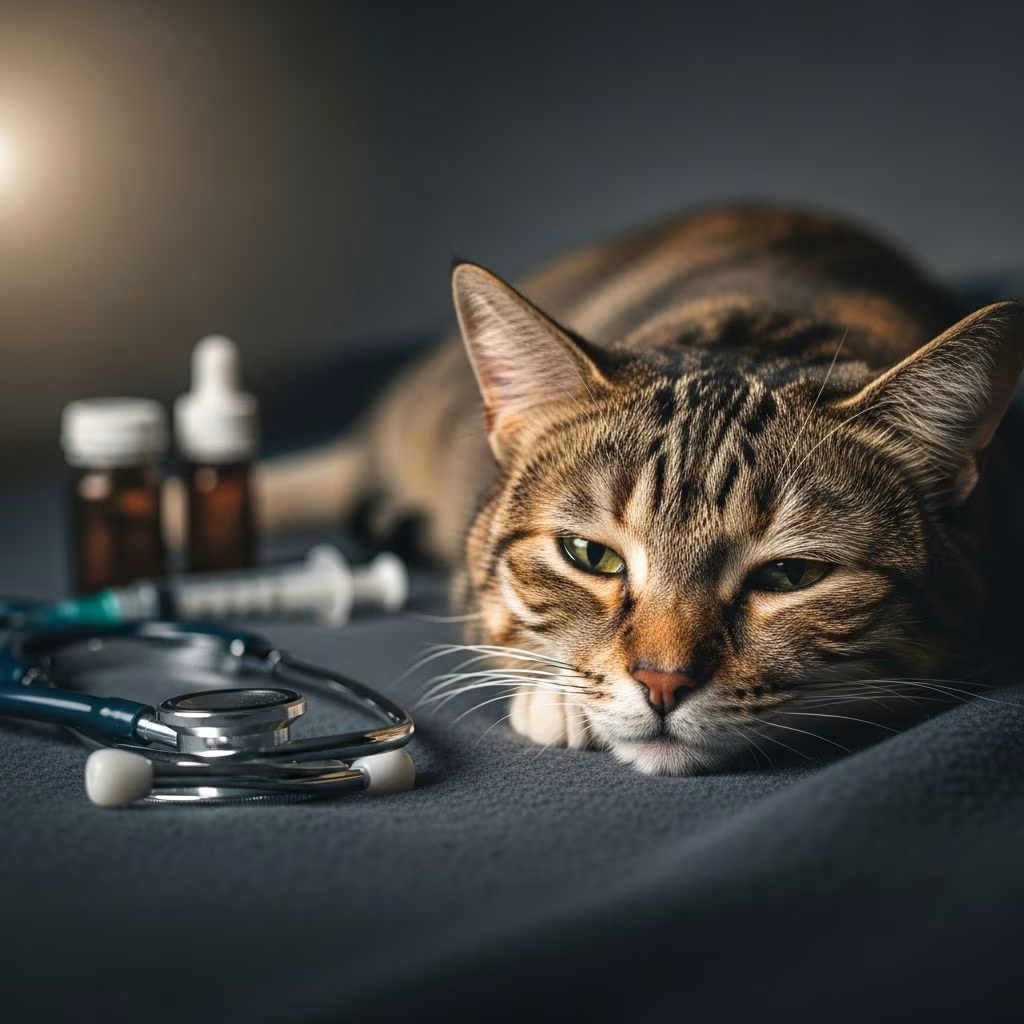
Cat owners face the heartbreaking reality that certain diseases can lead to premature death in their beloved pets. Understanding these conditions is crucial for early detection and intervention. This article covers the most common and lethal feline diseases, drawing from veterinary insights to help you protect your cat.
Introduction
Feline diseases vary in severity, but some stand out for their high mortality rates. Factors like age, vaccination status, and lifestyle (indoor vs. outdoor) influence risk. Common culprits include viral infections that suppress the immune system, chronic organ failures, and aggressive cancers. Early veterinary care and preventive measures like vaccinations can significantly reduce these risks.
Feline Leukemia Virus (FeLV)
**Feline Leukemia Virus (FeLV)** is one of the leading causes of death in domestic cats, affecting 2-3% of cats in the US. This retrovirus targets the immune system, bone marrow, and causes secondary infections, anemia, and cancers like lymphoma.
Cats contract FeLV through saliva via grooming, bite wounds, shared litter boxes, or from mother to kittens in utero. Outdoor cats and those in multi-cat homes are at highest risk. Symptoms include weight loss, fever, swollen lymph nodes, anemia, and recurrent infections. Many cats show no early signs, making regular testing essential.
Diagnosis involves blood tests like ELISA and PCR. There is no cure; supportive care manages symptoms, but most infected cats succumb within 2-3 years. Vaccination is recommended for at-risk cats, though not 100% effective. Keep cats indoors and test new cats before introduction to prevent spread.
Feline Infectious Peritonitis (FIP)
**Feline Infectious Peritonitis (FIP)** is a devastating, often fatal disease caused by mutated strains of feline coronavirus. It primarily affects young cats under 2 years, purebreds, and those in shelters.
FIP has ‘wet’ (effusive) and ‘dry’ (noneffusive) forms. Wet FIP causes fluid buildup in the abdomen or chest, leading to breathing difficulties and swelling. Dry FIP affects organs like eyes, brain, or kidneys, causing neurological signs or uveitis. Initial symptoms are nonspecific: lethargy, fever, weight loss, and poor appetite.
Transmission occurs via fecal-oral route from carrier cats. Diagnosis is challenging, relying on bloodwork, fluid analysis, biopsies, and PCR. Until recently, FIP was invariably fatal, but new antiviral drugs like GS-441524 show promise in remission. Prevention focuses on reducing coronavirus exposure in catteries and isolating sick cats.
Chronic Kidney Disease (CKD)
**Chronic Kidney Disease (CKD)**, also called renal failure, is a top killer in senior cats, often due to age, genetics, toxins, or infections. Kidneys lose filtering ability, leading to toxin buildup.
- Acute Renal Failure: Sudden onset from toxins (lilies, antifreeze), dehydration, or obstruction.
- Chronic: Gradual decline, with 30-50% of cats over 10 affected.
Symptoms include increased thirst/urination, weight loss, vomiting, bad breath, and lethargy. Blood tests reveal elevated creatinine/BUN; ultrasound assesses kidney structure. Treatment involves fluids, diet change (low-protein, low-phosphorus), blood pressure meds, and phosphate binders to extend life by years.
Prevention: Provide fresh water, avoid toxins, and screen seniors annually. Dental disease contributes, so maintain oral health.
Feline Immunodeficiency Virus (FIV)
**Feline Immunodeficiency Virus (FIV)**, dubbed ‘cat AIDS,’ weakens immunity, leading to secondary diseases and cancer. It’s less lethal than FeLV but chronic.
Spread mainly via deep bite wounds from fights; toms are most affected. Symptoms mimic FeLV: gingivitis, weight loss, infections. Diagnosis via Western Blot test after initial ELISA. No cure or vaccine in the US; manage with antibiotics and immune support. Indoor living prevents exposure.
Feline Panleukopenia (FPLV)
**Feline Panleukopenia Virus (FPLV)**, or distemper, is highly contagious and deadly, especially in kittens. It attacks rapidly dividing cells in gut, bone marrow, causing white blood cell crash.
Transmitted via feces, urine, contaminated objects; survives years in environment. Symptoms: vomiting, bloody diarrhea, fever, dehydration, sudden death. Supportive care (IV fluids, antibiotics) saves some, but mortality is 90% in kittens. Vaccination is highly effective; core for all cats.
Lymphoma and Other Cancers
**Lymphoma** is the most common feline cancer, linked to FeLV/FIV. Gastrointestinal form causes appetite loss, vomiting, weight loss. Multicentric affects lymph nodes; mediastinal the chest.
Diagnosis: biopsy, ultrasound. Chemotherapy yields 50-70% remission; median survival 1-2 years. Radiation or surgery for localized cases. Prevention via FeLV vaccination.
Diabetes Mellitus
**Diabetes** occurs when insulin issues prevent glucose regulation. Obese, older cats are prone. Symptoms: excessive thirst, urination, weight loss despite huge appetite, weakness.
Managed with insulin injections, diet, exercise. Uncontrolled leads to ketoacidosis and death. Regular monitoring prevents complications.
Hyperthyroidism
**Hyperthyroidism** from overactive thyroid affects 10% of cats over 10. Causes weight loss, voracious appetite, hyperactivity, heart issues.
Treat with methimazole, surgery, or radioiodine (gold standard). Untreated, leads to heart failure or kidney damage.
Other Notable Diseases
- Rabies: Neurological, zoonotic; fatal once symptoms appear. Vaccinate.
- Heartworm: Mosquito-borne; damages lungs/heart.
- Parasites: Roundworms, etc., cause malnutrition.
Prevention Strategies
Vaccinate against core diseases (FeLV, FPLV, rabies). Keep indoors, spay/neuter, regular vet checkups, parasite control, quality diet. Test for FeLV/FIV.
Frequently Asked Questions (FAQs)
What is the deadliest disease for cats?
Feline Leukemia Virus (FeLV) tops the list, causing immune suppression, anemia, and cancer, often fatal within 3 years.
How do cats get FIV?
Primarily through bite wounds from infected cats during fights.
Can FIP be cured?
Traditionally no, but antivirals like GS-441524 offer hope for remission.
Is kidney disease preventable in cats?
Not entirely, but hydration, toxin avoidance, and dental care help.
How often should cats be tested for FeLV?
Annually for at-risk cats; once for indoors-only.
References
- Top-8 Common Cat Diseases — Prudent Pet Insurance. 2023. https://www.prudentpet.com/common-cat-diseases/
- 10 deadliest cat diseases today — Countryfile. 2023. https://www.countryfile.com/animals/pets/deadliest-cat-diseases
- 10 Most Dangerous Diseases in Cats — Cats.com. 2024. https://cats.com/dangerous-diseases-in-cats
- Recognize the Signs of These Common Cat Illnesses — Humane Society Tampa. 2023. https://humanesocietytampa.org/cat-lovers-beware-recognize-the-signs-of-these-common-cat-illnesses/
- The 5 Most Dangerous Cat Diseases — Commerce Village Vet. 2023. https://commercevillagevet.com/the-5-most-dangerous-cat-diseases/
- 25 Most Common Cat Diseases — CareCredit. 2024. https://www.carecredit.com/well-u/pet-care/common-cat-diseases/



