

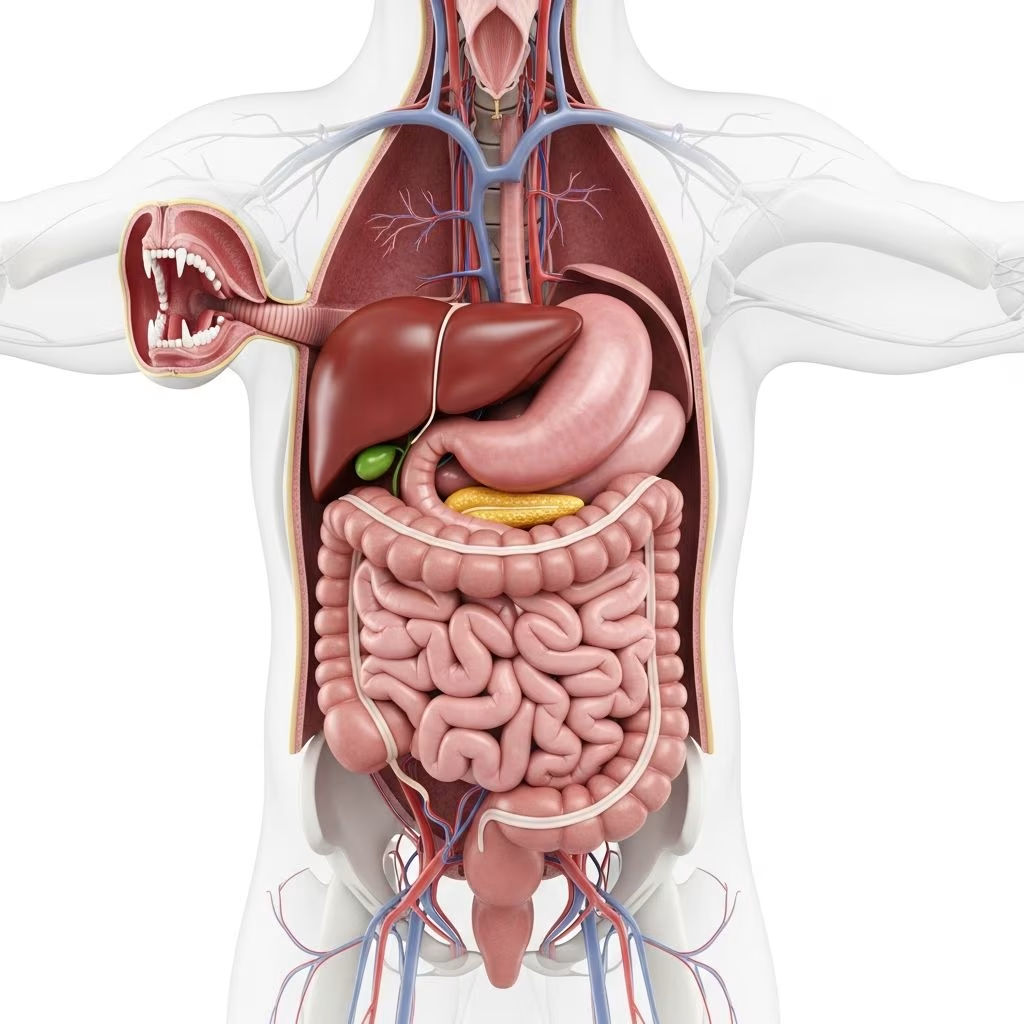
The digestive system in cats is a specialized network designed for their carnivorous lifestyle, efficiently breaking down proteins and fats while handling limited carbohydrates. This guide examines its components, processes, potential issues, and care strategies to support your pet’s well-being.
Overview of Feline Digestion
Cats possess a relatively short digestive tract compared to herbivores, optimized for meat-based diets. Food travels from ingestion to elimination in about 12-24 hours, focusing on rapid protein digestion. Key organs work in sequence: mechanical breakdown starts in the mouth, chemical digestion in the stomach and intestines, with accessory glands aiding nutrient extraction.
Anatomy of the Cat’s Mouth and Oral Cavity
Digestion begins in the mouth, where sharp teeth grasp and tear food rather than grind it. Cats have 30 adult teeth: 12 incisors for nibbling, 10 premolars and 4 molars for shearing meat, and 4 canines for gripping. The tongue, covered in papillae, manipulates food and mixes it with minimal saliva containing amylase for slight starch breakdown—less crucial for obligate carnivores.
- Teeth structure: Carnassial teeth act like scissors for slicing tough tissues.
- Tongue role: Raspy surface aids in grooming and initial food manipulation.
- Pharynx: Shared pathway for food and air, leading to the esophagus.
Journey Through the Esophagus
The esophagus, a muscular tube about 20-25 cm long, transports food via peristalsis—wave-like contractions—from the pharynx to the stomach in seconds. A lower esophageal sphincter prevents reflux, protecting the throat from stomach acids. Blockages here from hairballs or foreign objects can cause regurgitation.
The Stomach: Protein Powerhouse
The J-shaped stomach expands to hold meals up to a cat’s stomach capacity (around 250 ml for adults). Divided into fundus (storage), body (mixing), and pylorus (exit), it secretes hydrochloric acid (pH 1-2) and pepsin for protein denaturation. Muscular contractions churn food into chyme over 2-4 hours. Mucus lining shields against self-digestion.
| Stomach Region | Primary Function |
|---|---|
| Fundus | Food storage and initial mixing |
| Body | Acid and enzyme secretion |
| Pylorus | Regulates chyme release to duodenum |
Small Intestine: Nutrient Absorption Hub
Comprising duodenum (25 cm), jejunum (longest, mobile section), and ileum (terminal), the small intestine spans 3-4 times the cat’s body length. Here, pancreatic enzymes (amylase, lipase, proteases) and bile from the liver emulsify fats. Villi and microvilli maximize surface area for absorbing amino acids, fatty acids, sugars, and vitamins into the bloodstream.
- Duodenum: Receives bile and pancreatic juices via ducts.
- Jejunum: Primary absorption site for most nutrients.
- Ileum: Focuses on bile salts and B12 uptake.
Large Intestine and Waste Formation
The large intestine (cecum minimal, colon, rectum) is shorter in cats, mainly reabsorbing water and electrolytes from chyme to form feces. Bacterial fermentation breaks down residual fibers and proteins, producing short-chain fatty acids for colon health and vitamins K and B. Feces firm up over 12-48 hours before expulsion via the anus.
Accessory Organs: Unsung Heroes
Liver
The multi-lobed liver produces bile for fat digestion, detoxifies blood, stores glycogen, and synthesizes proteins. In cats, it uniquely conjugates bile acids differently, aiding taurine metabolism essential for heart and eye health.
Pancreas
This dual organ secretes exocrine enzymes (trypsin, lipase) into the duodenum and endocrine hormones (insulin, glucagon) for blood sugar regulation. Exocrine insufficiency leads to maldigestion.
Gallbladder
Cats have a small gallbladder storing concentrated bile, released in response to fats. It contracts via cholecystokinin hormone.
How Cats Process Different Nutrients
Cats excel at protein (30-40% diet) and fat digestion (up to 50%), with limited carb handling due to low amylase. Taurine, arachidonic acid, and preformed vitamin A must be dietary, as cats cannot synthesize them efficiently.
| Nutrient | Digestion Site | Key Enzymes |
|---|---|---|
| Proteins | Stomach & Small Intestine | Pepsin, Trypsin |
| Fats | Small Intestine | Lipase, Bile |
| Carbs | Small Intestine | Amylase |
Common Digestive Disorders in Cats
Gastrointestinal issues affect 10-15% of cats annually. Symptoms include vomiting, diarrhea, constipation, and appetite loss.
- Hairballs: From grooming; regular brushing helps.
- Food Allergies: Cause chronic diarrhea; hypoallergenic diets resolve.
- IBD: Inflammation leads to malabsorption; steroids treat.
- Pancreatitis: Acute pain, vomiting; supportive care needed.
- Constipation: Due to low water; fiber or laxatives aid.
Recognizing Trouble Signs
Monitor for lethargy, weight loss, bloody stool, or straining. Upper GI issues show as vomiting; lower as diarrhea. Prompt vet visits prevent dehydration.
Optimal Diet for Digestive Health
High-protein, low-carb wet foods boost hydration (cats drink little naturally). Probiotics support gut flora; avoid fillers like grains. Transition foods slowly over 7-10 days.
- Wet food: 70-80% moisture mimics prey.
- Dry food: Choose high-fiber, grain-free if preferred.
- Supplements: Omega-3s reduce inflammation.
Daily Care Practices
Provide fresh water fountains to encourage drinking. Groom weekly to minimize hairballs. Exercise promotes motility. Annual check-ups catch issues early.
FAQs
How long does food take to digest in cats?
Typically 12-48 hours, faster for wet food than dry.
Why do cats vomit occasionally?
Often hairballs or rapid eating; persistent vomiting needs vet attention.
Can cats eat dog food?
No, lacks taurine; risks heart disease.
What causes diarrhea in cats?
Diet change, parasites, stress, or infections.
Is raw food safe for cat digestion?
Possible with balanced formulas, but risks bacteria; consult vet.
References
- Understanding Your Cat’s Digestive System: Anatomy, Common … — RAWZ Natural Pet Food. 2023. https://rawznaturalpetfood.com/cat-digestive-system/
- Structure and Function of the Gastrointestinal Tract in Cats — PetPlace. 2024. https://www.petplace.com/article/cats/pet-health/structure-and-function-of-the-gastrointestinal-tract-in-cats
- Cat Digestive System: Anatomy, Diseases, & Treatment — Cats.com. 2024. https://cats.com/cat-digestive-system
- Introduction to Digestive Disorders of Cats — MSD Veterinary Manual. 2025-01-15. https://www.msdvetmanual.com/cat-owners/digestive-disorders-of-cats/introduction-to-digestive-disorders-of-cats
- Characteristics of the Digestive Tract of Dogs and Cats — PubMed (NCBI). 2024-04-20. https://pubmed.ncbi.nlm.nih.gov/38625523/



