

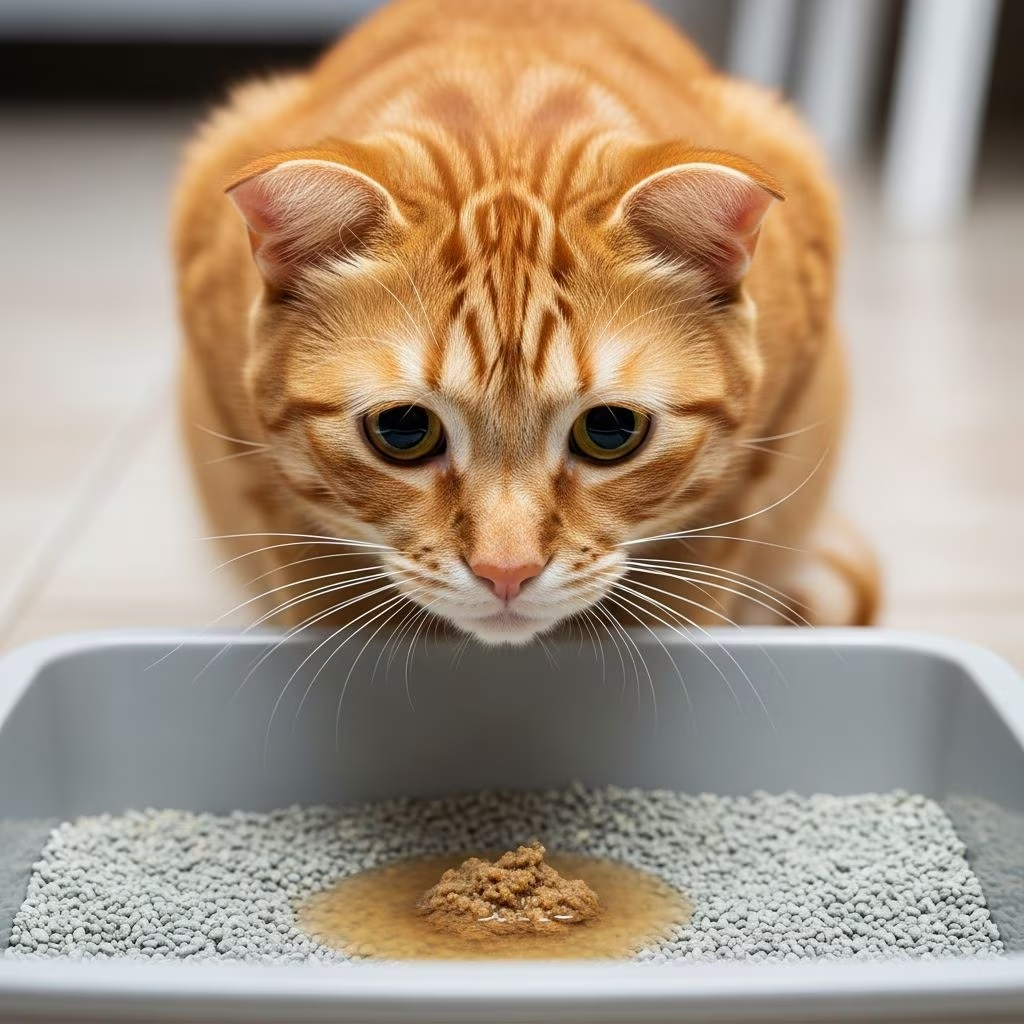
Cat Diarrhoea: Causes, Symptoms & Treatment Guide
Cat diarrhoea is one of the most common digestive issues affecting feline pets. While occasional loose stools may resolve on their own, persistent or severe diarrhoea can indicate an underlying health problem that requires veterinary attention. Understanding the causes, recognizing symptoms, and knowing when to seek professional help can make a significant difference in your cat’s health and comfort.
What Causes Cat Diarrhoea?
Diarrhoea in cats can stem from numerous causes, ranging from minor dietary indiscretions to serious medical conditions. The underlying cause determines the appropriate treatment approach and how quickly your cat will recover. Here are the most common reasons why your cat might experience diarrhoea:
Dietary Causes
Sudden Diet Changes: One of the most frequent culprits behind cat diarrhoea is an abrupt change in diet. When you switch your cat’s food without a gradual transition, it can upset their digestive system and trigger loose stools. Cats should be transitioned to new food over 7 to 10 days, gradually increasing the proportion of new food while reducing the old food to allow their digestive system to adjust properly.
Food Allergies: Just like humans, cats can develop food allergies that manifest as diarrhoea. If your cat consistently experiences diarrhoea after eating certain foods, this may indicate a food sensitivity. Your veterinarian can help identify the problematic ingredients.
Eating Inappropriate Items: Cats may consume garbage, spoiled food, human food (including milk and cream), or even inedible objects like string, grass, or toys. These can irritate the digestive tract and cause diarrhoea or more serious complications.
Parasitic and Infectious Causes
Parasites: Internal parasites are among the most common causes of diarrhoea, particularly in younger kittens. Parasites irritate the gastrointestinal tract and can affect both the small and large bowels. Regular deworming is essential for prevention.
Bacterial Infections: Bacterial infections can trigger diarrhoea and occur more frequently in younger cats. Bacterial overgrowth in the digestive tract can disrupt normal gut function.
Viral Infections: Various viruses can cause temporary diarrhoea in cats. These infections typically resolve with supportive care, though some may require veterinary intervention.
Stress and Environmental Factors
Stress, anxiety, and excitement can result in gastrointestinal upset in cats, particularly affecting the lower bowel and causing colitis. Changes in the home environment, new pets, or travel can trigger stress-related diarrhoea.
Medical Conditions
Colitis: Inflammation of the colon, known as colitis, causes diarrhoea that can last for weeks and recur periodically. Symptoms may include blood or mucus in the stools and frequent small defecations.
Inflammatory Bowel Disease (IBD): This chronic inflammatory disorder disrupts normal digestive function and can cause persistent diarrhoea requiring long-term management.
Pancreatitis: Inflammation of the pancreas can upset the digestive environment and result in diarrhoea. This condition requires professional veterinary diagnosis and treatment.
Metabolic and Endocrine Disorders: Conditions such as diabetes, hyperthyroidism, liver disease, and kidney disease can cause diarrhoea by affecting digestive motility and the intestinal environment.
Intestinal Cancer: In older cats, intestinal cancer may present with persistent diarrhoea alongside other symptoms.
Medication-Related Causes
Antibiotics and certain other medications can disrupt the normal bacterial balance in the digestive tract, leading to diarrhoea. Always inform your veterinarian if diarrhoea develops shortly after starting new medications.
Symptoms of Cat Diarrhoea
Recognizing the symptoms of diarrhoea beyond loose stools helps you assess severity and determine whether veterinary care is needed. Common symptoms include:
- Loose or watery stools
- Mucus or blood in the stool
- Worms visible in the stool
- Increased frequency of defecation
- Straining to defecate
- Accidents in the house or outside the litter box
- Nausea or vomiting
- Loss of appetite
- Weight loss
- Abdominal pain or discomfort
- Lethargy or weakness
When Is Cat Diarrhoea Serious?
While many cases of diarrhoea resolve without intervention, certain signs indicate a need for immediate veterinary attention. Seek professional help if your cat experiences:
- Diarrhoea lasting longer than 24 hours
- Blood in the diarrhoea or black, tarry stools indicating internal bleeding
- Persistent vomiting alongside diarrhoea
- Signs of dehydration (lethargy, pale or yellow gums, dry mouth)
- Severe abdominal pain or distress
- Fever combined with diarrhoea
- Evidence that your cat ate something toxic or poisonous
- Kittens with diarrhoea (they dehydrate rapidly)
- Cats that have not completed their vaccination series
If no improvement occurs within two to three days of initiating home care, contact your veterinarian to check for complicating factors.
Acute vs. Chronic Cat Diarrhoea
Acute diarrhoea develops suddenly and typically lasts a short time. Most cases respond well to conservative treatment, including dietary modifications and probiotics, as the body’s immune system helps resolve the issue.
Chronic diarrhoea persists for extended periods and requires investigation with diagnostic testing and may involve hospitalization. Chronic diarrhoea is particularly concerning because it can cause life-threatening complications and often results from multiple factors requiring comprehensive treatment plans.
Diagnosing Cat Diarrhoea
Your veterinarian will likely ask you to bring a fresh stool sample and may recommend additional diagnostic tests such as blood work and imaging to identify the underlying cause. Proper diagnosis is essential for effective treatment, especially in cases of chronic diarrhoea.
Treatment Options for Cat Diarrhoea
Treatment depends on the underlying cause and severity of diarrhoea. Your veterinarian will develop an appropriate treatment plan tailored to your cat’s specific needs.
Conservative Home Care
For simple cases of diarrhoea in adult cats, withholding food for 12–24 hours while providing small amounts of water frequently can help. This allows the digestive system to rest and recover. Following the fasting period, gradually reintroduce bland, easily digestible foods.
Fluid Therapy
Dehydration is a serious concern with diarrhoea, particularly in kittens and smaller cats. If dehydration is present, intravenous (IV) or subcutaneous fluids are usually necessary. Oral fluids alone often pass through too quickly to be absorbed properly.
Medications
Antibiotics: If diarrhoea is caused by bacterial infection, antibiotics are prescribed. They may also be given if the intestine is damaged (indicated by blood in the stool) to prevent bacteria from entering the bloodstream and causing septicemia.
Anti-diarrheal Agents: Kaolin-pectin or other anti-diarrheal medications may be prescribed to slow intestinal motility and reduce symptoms.
Anti-nausea Medications: These help manage vomiting that sometimes accompanies diarrhoea.
Probiotics: Beneficial bacteria that support intestinal health may be recommended to restore the normal gut microbiome. Consult your veterinarian about which probiotic products are most effective, as quality and effectiveness vary.
Dietary Management
Nutrition plays a crucial role in managing diarrhoea. Your veterinarian may recommend a specialized diet with lower fat content, richer in complex carbohydrates, and with added fiber. As your cat’s stools normalize, you can gradually transition back to their regular diet over 7–10 days.
De-wormers
If parasites are identified as the cause, de-worming medications are prescribed to eliminate the parasitic infection.
Preventing Cat Diarrhoea
Several preventive measures can reduce the likelihood of diarrhoea in your cat:
- Gradual Diet Changes: Always transition your cat to new food slowly over 7–10 days to prevent digestive upset.
- Quality Nutrition: Feed high-quality cat food appropriate for your cat’s age and health status. Poor nutrition can lead to chronic diarrhoea.
- Regular Parasite Prevention: Use veterinarian-recommended parasite prevention to protect against intestinal parasites.
- Maintain Vaccinations: Keep your cat’s vaccinations current to protect against viral infections.
- Safe Environment: Prevent your cat from accessing garbage, spoiled food, toxic substances, or inedible objects.
- Stress Reduction: Minimize environmental stressors and provide a stable, comfortable home environment.
- Regular Veterinary Care: Schedule annual check-ups to catch health issues early.
When to Contact Your Veterinarian
Contact your veterinarian if your cat’s diarrhoea persists for more than 24 hours, includes blood, or is accompanied by lethargy and loss of appetite. Similarly, seek immediate veterinary care if your cat shows signs of severe dehydration, ingested something toxic, or exhibits other concerning symptoms. Never give your cat any medications, including over-the-counter human medications, unless specifically advised by your veterinarian.
Frequently Asked Questions
Q: How long does it typically take for cat diarrhoea to resolve?
A: Acute diarrhoea often improves within a few days with appropriate care. However, if your cat shows no improvement within 2–3 days, contact your veterinarian. Chronic diarrhoea requires ongoing management and may persist for weeks or longer.
Q: Is it safe to give my cat over-the-counter anti-diarrheal medication?
A: No. Never give your cat medications without veterinary guidance. Some human medications can be toxic to cats, and the underlying cause must be identified before treatment.
Q: Can stress cause diarrhoea in cats?
A: Yes. Stress, anxiety, and excitement can trigger gastrointestinal upset and cause diarrhoea, particularly affecting the lower bowel.
Q: How can I transition my cat to a new food without causing diarrhoea?
A: Gradually transition over 7–10 days by slowly increasing the proportion of new food while decreasing the old food each day. This allows your cat’s digestive system to adjust properly.
Q: Are kittens more susceptible to diarrhoea than adult cats?
A: Yes. Kittens are more susceptible to parasites, infections, and dehydration. They require prompt veterinary evaluation if they develop diarrhoea, as they can dehydrate rapidly.
Q: What role do probiotics play in treating cat diarrhoea?
A: Probiotics contain beneficial bacteria that support intestinal health and help restore the normal gut microbiome disrupted by diarrhoea. Consult your veterinarian about which products are most effective.
References
- Diarrhea in Cats: Common Causes & When It’s Serious — Avon Vets. 2022-05-15. https://www.animalgeneralct.com/site/blog/2022/05/15/diarrhea-in-cats-common-causes-when-its-serious
- Cat Diarrhea: Causes and Remedies — Pet Assure. https://www.petassure.com/new-newsletters/cat-diarrhea-causes-and-remedies/
- Cat Diarrhea: Causes and What to Do About It — PetMD. https://www.petmd.com/cat/symptoms/cat-diarrhea
- Cat Diarrhea: Causes, Symptoms & Treatment — Purina US. https://www.purina.com/articles/cat/health/digestion/cat-diarrhea-causes-treatment
- Managing Cat Diarrhea: Causes, Symptoms & Treatment — Hill’s Pet. https://www.hillspet.com/cat-care/healthcare/cat-diarrhea-causes-and-treatment
- Diarrhea in Cats: Common Causes & When It’s Serious — Pets On Broadway. 2024-07-31. https://www.petsonbroadway.net/site/blog/2024/07/31/diarrhea-cats
- Diarrhea in Cats | VCA Animal Hospitals — VCA Animal Hospitals. https://vcahospitals.com/know-your-pet/diarrhea-in-cats



