

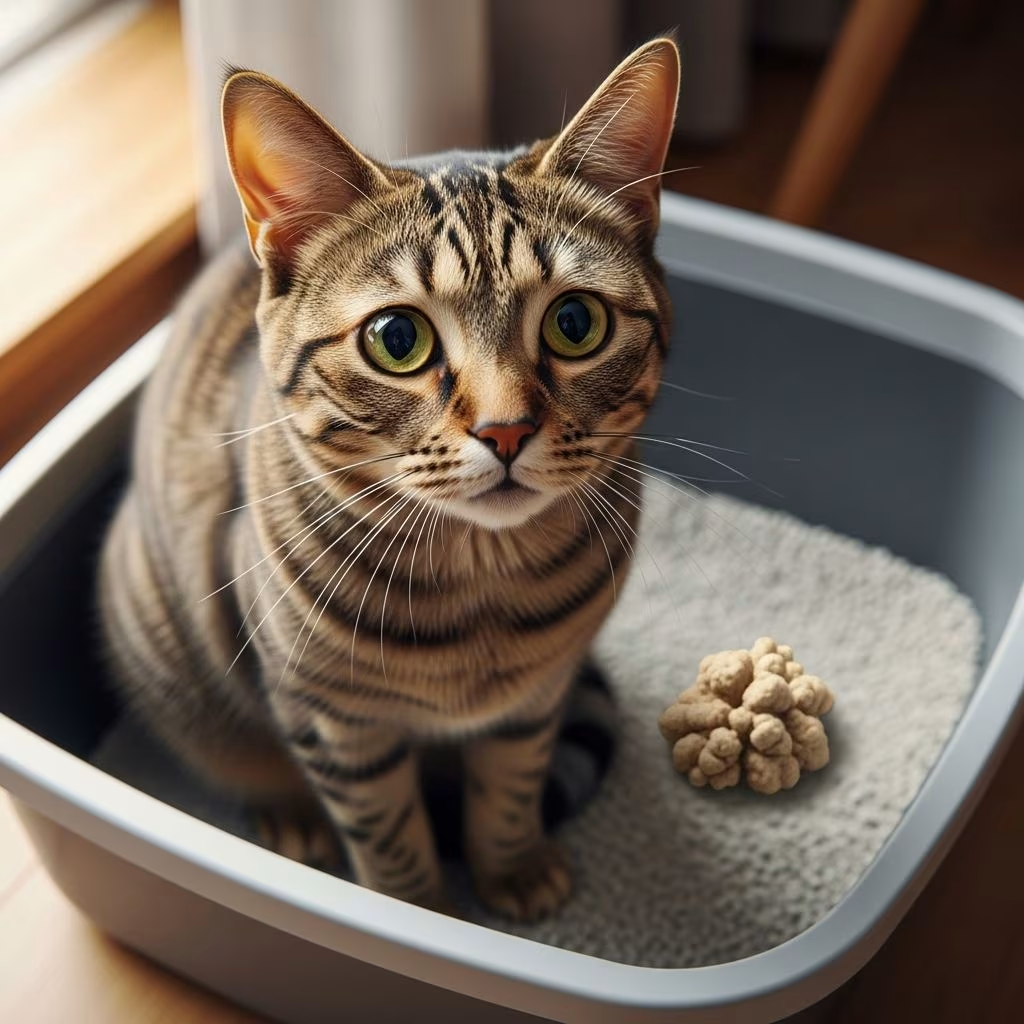
Diarrhea in cats is a common issue that can range from a mild, short-lived problem to a sign of a serious underlying condition. Characterized by loose, watery, or frequent stools, it affects cats of all ages but is particularly concerning in kittens due to dehydration risks. Understanding the causes, symptoms, and appropriate responses is crucial for cat owners to ensure their pet’s health and comfort.
What Causes Diarrhea in Cats?
Cat diarrhea can stem from numerous factors, often categorized as acute (sudden, short-term) or chronic (lasting weeks or recurring). Acute cases frequently resolve with simple interventions, while chronic diarrhea demands veterinary investigation.
Common causes include:
- Dietary indiscretion: Sudden food changes, eating garbage, spoiled food, or human foods like milk can disrupt digestion.
- Parasites: Worms like roundworms or protozoa such as Giardia irritate the gut, especially in kittens.
- Infections: Bacterial (e.g., Salmonella), viral (e.g., panleukopenia), or fungal pathogens cause inflammation.
- Stress or anxiety: Changes in environment, new pets, or travel trigger colitis-like symptoms.
- Medications: Antibiotics disrupt gut flora, leading to imbalance.
- Foreign objects: Ingesting string, toys, or fabric causes blockages or irritation.
- Chronic conditions: Inflammatory bowel disease (IBD), pancreatitis, liver/kidney disease, hyperthyroidism, or cancer.
Kittens are prone to parasites and infections due to immature immunity, while seniors may suffer from metabolic issues like hyperthyroidism.
Symptoms of Diarrhea in Cats
Beyond loose stools, watch for accompanying signs indicating severity. Diarrhea may appear as soft, pudding-like, watery, or cow-patty consistency.
- Mucus, blood, or black/tarry stools (indicating digested blood).
- Frequent small-volume defecation or straining.
- Vomiting, lethargy, loss of appetite, or weight loss.
- Dehydration signs: tacky gums, sunken eyes, skin tenting, weakness.
- Fever, abdominal pain, or worms visible in stool.
In kittens or small cats, even mild diarrhea can escalate quickly due to rapid fluid loss.
Types of Cat Diarrhea
Diarrhea is classified by location and duration for diagnosis:
- Small intestinal (small bowel): Large volumes of watery diarrhea, weight loss, vomiting. Causes: infections, IBD, malabsorption.
- Large intestinal (large bowel/colitis): Small frequent stools with mucus/blood, straining, urgency. Causes: parasites, stress, allergies.
- Acute: Lasts 1-2 days, often dietary/stress-related.
- Chronic: Over 2 weeks or recurrent, signaling deeper issues like cancer or endocrine disease.
| Type | Symptoms | Common Causes |
|---|---|---|
| Small Bowel | Watery, large volume, weight loss | Infections, IBD, parasites |
| Large Bowel | Bloody/mucousy, frequent, straining | Colitis, stress, bacteria |
| Acute | Sudden, self-limiting | Diet change, toxins |
| Chronic | Persistent/recurrent | Cancer, hyperthyroidism |
When Is Cat Diarrhea an Emergency?
Seek immediate vet care if diarrhea lasts over 24-48 hours, or includes:
- Blood, black stools, or severe straining.
- Lethargy, fever (>103°F), vomiting, or refusal to eat/drink.
- Dehydration (pale gums, weakness).
- Kittens, seniors, or cats with pre-existing conditions.
- Recent toxin exposure, unvaccinated status, or foreign body suspicion.
Chronic cases unresponsive to home care within 2-3 days warrant diagnostics like fecal tests, bloodwork, or imaging.
How Veterinarians Diagnose Cat Diarrhea
Vets start with history (diet, environment, recent changes) and physical exam, then:
- Fecal analysis for parasites, bacteria, viruses.
- Blood tests for organ function, electrolytes.
- Imaging (X-rays, ultrasound) for obstructions/tumors.
- Endoscopy/biopsy for IBD or cancer.
Treatment for Cat Diarrhea
Treatment targets the cause:
- Supportive care: IV/subcutaneous fluids for hydration.
- Anti-diarrheals: Kaolin-pectin or metronidazole (vet-prescribed only).
- Antibiotics: For bacterial infections or damaged gut.
- Anti-nausea/protectants: To soothe stomach.
- Parasite control: Dewormers like fenbendazole.
- Dietary: Bland (boiled chicken/rice), probiotics, or prescription foods.
Chronic cases may need lifelong management with special diets or immunosuppressants. Never use human meds without vet approval.
Home Remedies & Management
For mild acute cases:
- Withhold food 12-24 hours (water okay), then bland diet 3-5 days.
- Probiotics (FortiFlora) restore gut flora.
- Small frequent meals; transition diets gradually over 7-10 days.
- Ensure hydration; unflavored Pedialyte if mild dehydration (vet check first).
- Reduce stress: quiet space, pheromone diffusers.
Monitor closely; no improvement means vet visit.
Prevention of Cat Diarrhea
Proactive steps minimize risks:
- Regular deworming/flea control (every 3 months).
- Core vaccinations against viral causes.
- Gradual diet changes; high-quality, consistent food.
- Secure trash; avoid toxins (lilies, antifreeze).
- Annual check-ups, especially for seniors.
- Stress reduction: routine, enrichment.
Cat Diarrhea in Kittens
Kittens dehydrate fast; common culprits: parasites (coccidia, worms), weaning stress, infections. Always vet ASAP—may need fluids, antibiotics.
FAQs
Can cat diarrhea go away on its own?
Yes, mild acute cases often resolve in 24-48 hours with fasting and bland diet, but monitor for worsening.
What home remedy stops cat diarrhea fast?
Bland diet (chicken/rice), probiotics, hydration. No OTC meds without vet advice.
Is cat diarrhea a sign of cancer?
Possible in chronic cases, especially with weight loss/blood; requires diagnostics.
How long is too long for cat diarrhea?
Over 24-48 hours, or with other symptoms—see vet immediately.
Why does my cat have diarrhea but acts normal?
Often dietary/stress; still monitor, as it could progress.
References
- Diarrhea in Cats: Common Causes & When It’s Serious — Animal General CT. 2022-05-15. https://www.animalgeneralct.com/site/blog/2022/05/15/diarrhea-in-cats-common-causes-when-its-serious
- Cat Diarrhea: Causes and Remedies — Pet Assure. N/A. https://www.petassure.com/new-newsletters/cat-diarrhea-causes-and-remedies/
- Diarrhea in Cats: Common Causes & When It’s Serious — Voorhees Animal Hospital. 2023-10-15. https://www.voorheesvet.com/site/blog/2023/10/15/diarrhea-cats
- Diarrhea in Cats: Common Causes & When It’s Serious — Vet Referral Center. 2024-02-15. https://www.vetreferralcenter.com/site/blog/2024/02/15/diarrhea-cats
- Cat Diarrhea: Causes and What to Do About It — PetMD. N/A. https://www.petmd.com/cat/symptoms/cat-diarrhea
- Diarrhea in Cats: Common Causes & When It’s Serious — Pets on Broadway. 2024-07-31. https://www.petsonbroadway.net/site/blog/2024/07/31/diarrhea-cats
- Cat Diarrhea: Causes, Symptoms & Treatment — Purina US. N/A. https://www.purina.com/articles/cat/health/digestion/cat-diarrhea-causes-treatment



