

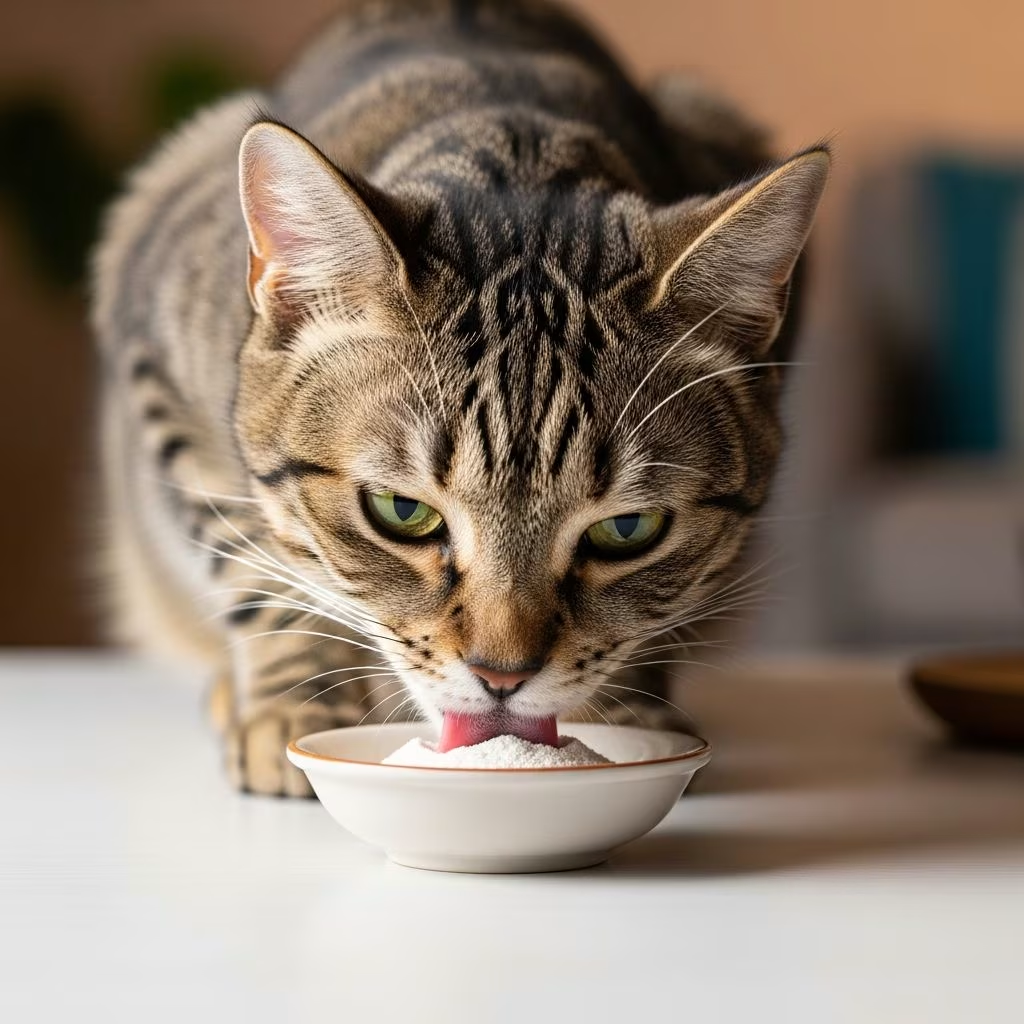
Diarrhea in cats is a frequent concern for pet owners, often signaling disruptions in the digestive system that require prompt attention. FortiFlora, a veterinarian-recommended probiotic supplement, plays a pivotal role in restoring balance to the feline gut microbiome, promoting firmer stools and overall gastrointestinal wellness. This article delves into the underlying causes, recognition strategies, treatment options, and preventive measures, highlighting FortiFlora’s targeted benefits.
Understanding Feline Diarrhea: What It Means for Your Cat
Diarrhea manifests as loose, watery stools passed more frequently than normal, potentially leading to dehydration and nutrient loss if prolonged. In cats, it can stem from transient issues like dietary indiscretions or signal chronic conditions demanding veterinary intervention. Acute episodes typically resolve within 24-48 hours with supportive care, while persistent cases—lasting over two days or accompanied by other symptoms—warrant professional evaluation.
Key indicators include stool consistency changes, increased urgency, mucus or blood presence, and associated signs like lethargy or appetite loss. Early recognition allows for timely management, minimizing discomfort and health risks.
Primary Causes of Diarrhea in Cats
Numerous factors contribute to feline diarrhea, categorized into dietary, infectious, and systemic origins. Identifying the trigger is essential for effective resolution.
- Dietary Shifts and Intolerances: Abrupt food changes, human foods like dairy, or allergens such as beef and fish disrupt gut flora, causing loose stools. Gradual transitions over 7-10 days mitigate this risk.
- Parasitic Infestations: Worms (hookworms, roundworms), protozoa like coccidia, and fleas transmit parasites via contaminated environments, leading to gastrointestinal upset.
- Infections: Bacterial (Salmonella), viral (panleukopenia), or fungal agents inflame the intestines, often requiring vaccination and hygiene protocols.
- Stress-Induced Colitis: Anxiety from environmental changes causes colon inflammation, resulting in frequent, mucus-laden stools.
- Chronic Conditions: Inflammatory bowel disease (IBD), hyperthyroidism, pancreatitis, liver/kidney issues, or cancer provoke ongoing diarrhea.
| Cause Category | Examples | Common Symptoms |
|---|---|---|
| Dietary | New food, allergies | Loose stools, vomiting |
| Infectious | Parasites, bacteria | Watery diarrhea, weight loss |
| Systemic | IBD, hyperthyroidism | Chronic loose stools, lethargy |
Role of Probiotics like FortiFlora in Feline Gut Health
Probiotics introduce beneficial bacteria to rebalance the gut microbiome, crucial after antibiotics, infections, or dietary upheavals. FortiFlora stands out with its strain-specific Enterococcus faecium SF68, clinically proven to firm stools and enhance digestion in cats. This palatable powder, sprinkled on food, supports immune function and reduces diarrhea duration.
Veterinarians often recommend FortiFlora for its efficacy in acute and chronic cases, complementing dewormers or anti-diarrheals. Studies show probiotics alleviate symptoms by inhibiting pathogens and bolstering mucosal barriers, fostering rapid recovery.
Step-by-Step Guide to Treating Cat Diarrhea
- Assess Severity: Monitor for 24 hours; seek vet care if blood, dehydration, or weakness appears.
- Hydration Focus: Offer water or electrolyte solutions; subcutaneous fluids may be needed for severe cases.
- Dietary Adjustments: Withhold food 12-24 hours, then introduce bland diets like boiled chicken with rice, gradually reintroducing normal food.
- Probiotic Integration: Administer FortiFlora daily; its live cultures populate the gut swiftly.
- Diagnostic Testing: Provide stool samples for parasite checks, bloodwork for systemic issues.
For IBD or allergies, hypoallergenic diets paired with FortiFlora yield optimal results, addressing inflammation while rebuilding flora.
Preventing Recurrence: Long-Term Strategies
Proactive measures safeguard against future episodes. Maintain consistent high-quality diets, avoiding table scraps. Regular deworming, flea prevention, and vaccinations curb infectious risks.
- Implement slow food transitions.
- Reduce stress via routine, enrichment toys, and pheromone diffusers.
- Incorporate routine probiotic use like FortiFlora during high-risk periods, such as boarding or antibiotics.
- Annual vet check-ups detect early hyperthyroidism or IBD.
When to Escalate to Veterinary Care
Urgent signs include black/tarry stools (GI bleeding), persistent vomiting, fever, or collapse. Kittens, seniors, or immunocompromised cats face higher dehydration risks, necessitating immediate attention. Vets may prescribe metronidazole for infections or steroids for IBD, alongside FortiFlora.
FAQs on Cat Diarrhea and FortiFlora
How quickly does FortiFlora work for cat diarrhea?
Many cats show stool improvement within 24-72 hours, though full effects vary by cause.
Is FortiFlora safe for kittens?
Yes, under veterinary guidance; dosage adjusts for age and weight.
Can diet alone fix chronic diarrhea?
Often not; combine with probiotics and vet-prescribed therapies for IBD or allergies.
What if diarrhea persists after probiotics?
Reconsult your vet for advanced diagnostics like ultrasound or endoscopy.
Nutritional Support Beyond Probiotics
Increase fiber via pumpkin puree or high-fiber foods to bind stools. Omega-3 supplements reduce inflammation, synergizing with FortiFlora for comprehensive care.
References
- 10 Potential Causes of Your Cat’s Diarrhea — North Kenny Veterinary Hospital. 2023-10-01. https://northkennyvet.com/blog/cat-diarrhea-columbus-oh/
- Cat Diarrhea: Causes, Symptoms & Treatment — Purina US. 2024-01-15. https://www.purina.com/articles/cat/health/digestion/cat-diarrhea-causes-treatment
- Diarrhea in Cats: Common Causes & When It’s Serious — Vet Referral Center. 2024-02-15. https://www.vetreferralcenter.com/site/blog/2024/02/15/diarrhea-cats
- Cat Diarrhea: Causes and What to Do About It — PetMD. 2024-05-20. https://www.petmd.com/cat/symptoms/cat-diarrhea
- Diarrhea in Cats — VCA Animal Hospitals. 2023-11-10. https://vcahospitals.com/know-your-pet/diarrhea-in-cats



