

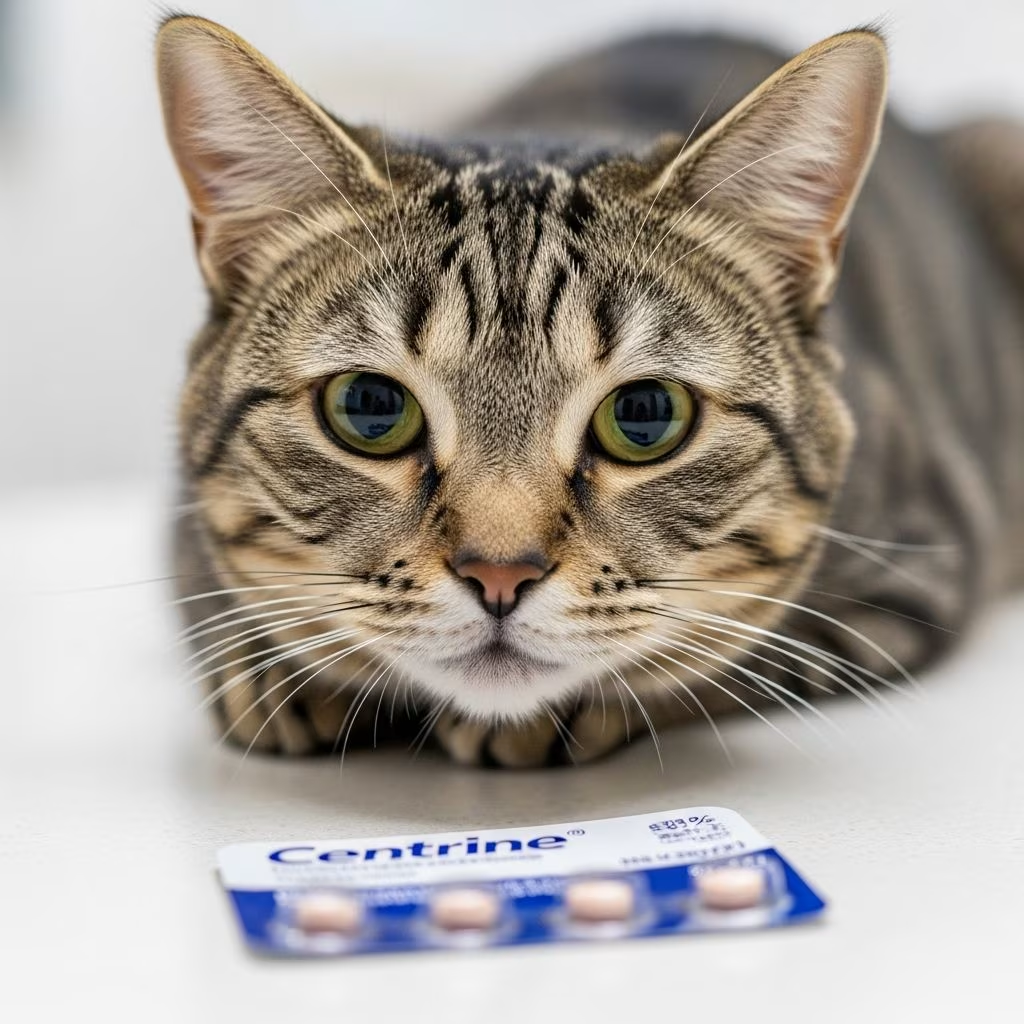
Cat diarrhea is a frequent concern for pet owners, often signaling digestive upset from various triggers. Centrine, an anticholinergic medication, offers targeted relief by slowing intestinal motility and reducing fluid secretion, helping solidify stools effectively.
Recognizing Diarrhea in Cats
Diarrhea manifests as loose, watery, or frequent stools, sometimes with mucus, blood, or undigested food. Accompanying signs include straining, urgency, lethargy, vomiting, appetite loss, and dehydration indicators like sunken eyes or dry gums. Kittens and seniors face higher dehydration risks, making prompt observation critical.
- Acute diarrhea: Sudden onset, lasts 1-2 days, often from diet shifts or stress.
- Chronic diarrhea: Persists over weeks, pointing to parasites, IBD, or organ issues.
Primary Causes of Feline Diarrhea
Multiple factors disrupt cat gut balance. Dietary indiscretion, like scavenging garbage or abrupt food changes, irritates the intestines. Infections from bacteria (e.g., Salmonella), viruses (e.g., panleukopenia), or parasites (e.g., roundworms, Giardia) inflame the GI tract.
| Cause Category | Examples | Common Symptoms |
|---|---|---|
| Dietary | Food change, toxins, milk | Soft stools, gas |
| Infectious | Parasites, bacteria, viruses | Bloody stools, fever |
| Systemic | Pancreatitis, hyperthyroidism, cancer | Weight loss, vomiting |
| Other | Stress, medications, foreign objects | Straining, accidents |
Stress from moves or new pets triggers colitis, while antibiotics kill beneficial bacteria, worsening imbalance. Chronic cases often link to inflammatory bowel disease (IBD), the top cause per veterinary studies.
How Centrine Addresses Diarrhea
Centrine (aminopentamide sulfate) acts on smooth muscle receptors in the gut, decreasing spasms and secretions for firmer stools. It’s ideal for non-infectious, motility-driven diarrhea, providing quick symptom control. Unlike broad-spectrum antibiotics, it targets symptoms without microbiome disruption.
Vets prescribe Centrine for acute episodes post-diagnosis, often alongside diagnostics like fecal tests or bloodwork to rule out parasites or organ failure.
Safe Dosage and Administration Protocols
Dosage varies by cat weight and severity: typically 0.05-0.1 mg per cat daily, divided into 2-3 injections or oral doses under supervision. Injectable form ensures absorption in vomiting cats. Administer on an empty stomach, monitoring for 24-48 hours.
- Start low to assess tolerance.
- Combine with fluids for dehydration.
- Taper off as stools normalize.
Never self-dose; veterinary oversight prevents overdose risks like constipation or anticholinergic toxicity (dry mouth, rapid heart rate).
Supportive Therapies Alongside Centrine
Enhance Centrine’s effects with probiotics to restore gut flora, kaolin-pectin for stool binding, and B12 injections for IBD-related deficiencies. Diet trials using hydrolyzed proteins or high-fiber foods aid recovery.
For parasites, pair with dewormers like fenbendazole. Chronic IBD may need steroids or immunosuppressants. Hydration via subQ fluids prevents electrolyte loss.
Prevention Strategies for Lasting Gut Health
Maintain consistent, high-quality diets transitioned gradually over 7-10 days. Prophylactic deworming and vaccinations curb infections. Stress reduction through routines and pheromones helps colitis-prone cats.
- Regular fecal exams twice yearly.
- Avoid table scraps and toxins.
- Monitor seniors for hyperthyroidism.
When to Escalate to Emergency Vet Care
Seek immediate help if diarrhea exceeds 24-48 hours, shows blood/mucus, or pairs with collapse, severe pain, or no eating. Kittens under 6 months or dehydrated cats need urgent IV support.
FAQs on Cat Diarrhea and Centrine
Is Centrine safe for all cats?
Generally yes for short-term use, but avoid in glaucoma, heart disease, or pregnant cats. Consult your vet.
How long until Centrine works?
Effects start in hours; full improvement in 1-2 days.
Can diet alone fix diarrhea?
Often for mild cases, but persistent issues require vet diagnostics.
What if my cat has bloody diarrhea?
Indicates colitis or parasites—rush to vet for tests.
Are probiotics necessary with Centrine?
Recommended to rebuild microbiome, especially post-antibiotics.
Long-Term Management for Recurrent Cases
Track stool quality daily. Novel protein diets manage food allergies; prescription foods support IBD. Annual blood panels detect thyroid or kidney issues early.
Holistic aids like pumpkin puree add fiber naturally. Behavioral therapy curbs stress-induced flares.
References
- Diarrhea in Cats: Common Causes & When It’s Serious — Animal General CT. 2022-05-15. https://www.animalgeneralct.com/site/blog/2022/05/15/diarrhea-in-cats-common-causes-when-its-serious
- Diarrhea in Cats: Common Causes & When It’s Serious — Vet Referral Center. 2024-02-15. https://www.vetreferralcenter.com/site/blog/2024/02/15/diarrhea-cats
- Diarrhea in Cats: Common Causes & When It’s Serious — Voorhees Animal Hospital. 2023-10-15. https://www.voorheesvet.com/site/blog/2023/10/15/diarrhea-cats
- Cat Diarrhea: Causes, Symptoms & Treatment — Purina. N/A. https://www.purina.com/articles/cat/health/digestion/cat-diarrhea-causes-treatment
- Diarrhea in Cats: Common Causes & When It’s Serious — Pets on Broadway. 2024-07-31. https://www.petsonbroadway.net/site/blog/2024/07/31/diarrhea-cats
- Managing Cat Diarrhea: Causes, Symptoms & Treatment — Hill’s Pet. N/A. https://www.hillspet.co.id/cat-care/healthcare/cat-diarrhea-causes-and-treatment
- Diarrhea in Cats — Small Door Veterinary. N/A. https://www.smalldoorvet.com/learning-center/medical/diarrhea-in-cats



