
Cat Diarrhea Guide
Understand causes, spot dangers, and learn effective steps to manage and treat diarrhea in your cat for quick recovery.
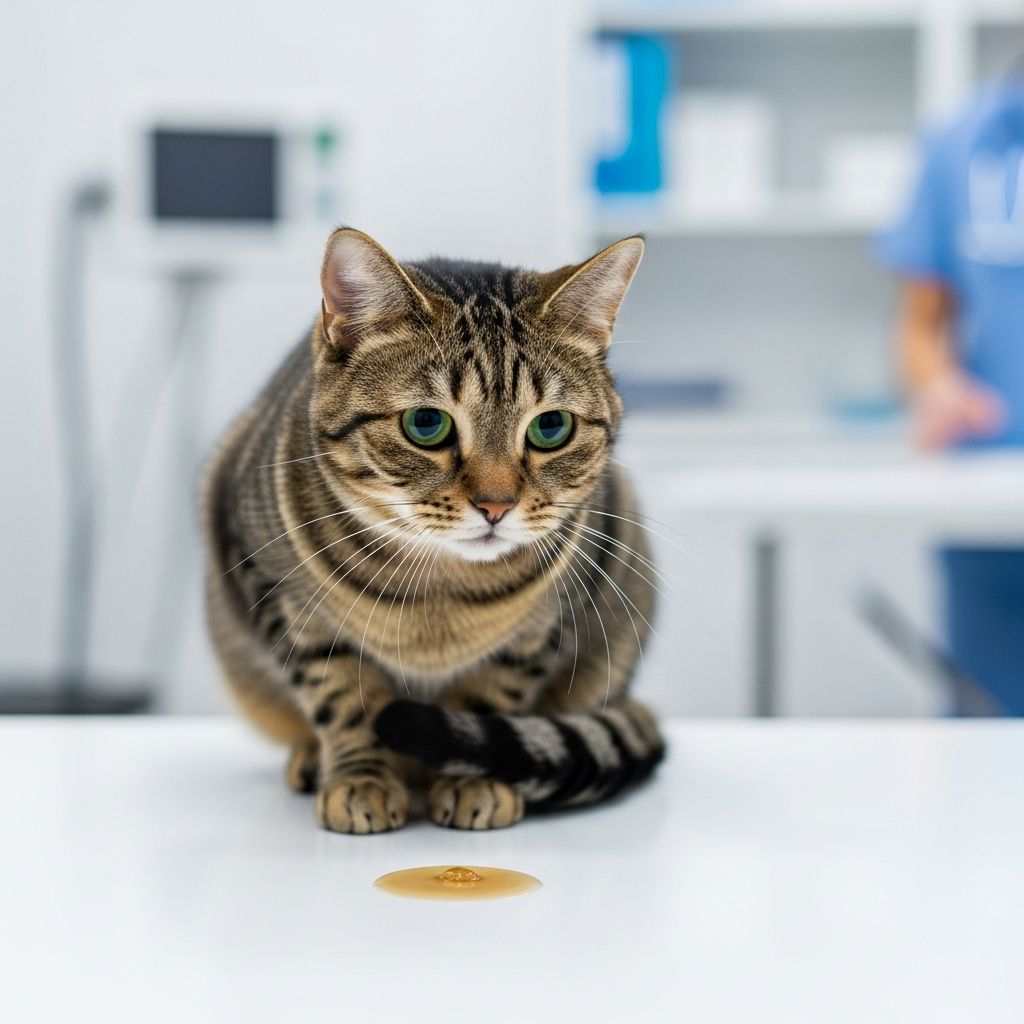
Diarrhea in cats is a frequent concern for pet owners, often signaling temporary digestive upset or a more serious underlying issue. Recognizing the difference between mild cases that resolve quickly and those requiring professional intervention can safeguard your cat’s health. This guide explores the spectrum of causes, practical management strategies, and critical indicators for veterinary attention, drawing from veterinary expertise to empower informed decisions.
Recognizing Diarrhea in Your Cat
Diarrhea manifests as loose, watery, or frequent stools, differing from normal firm, segmented feces. It may appear suddenly (acute) or persist over weeks (chronic), with variations in color, consistency, and accompanying odors. Kittens and senior cats face heightened risks due to immature or weakened systems, respectively.
- Watery stools: Often linked to infections or toxins, indicating rapid transit through the intestines.
- Mucousy or bloody stools: Suggests inflammation in the colon, known as colitis.
- Soft puddles: Common with dietary indiscretions or stress.
- Straining or frequent small amounts: Points to large intestine involvement.
Observe stool frequency, volume, and any foreign materials like undigested food or worms, as these details aid diagnosis.
Primary Causes of Feline Diarrhea
Multiple factors disrupt a cat’s gastrointestinal balance, from everyday triggers to complex diseases. Identifying the root cause guides effective resolution.
Dietary Triggers
Abrupt food switches overwhelm the gut, leading to imbalance. High-carbohydrate diets promote bacterial overgrowth, such as Prevotella or E. coli, fostering inflammation. Human foods, spoiled items, or treats introduce allergens or intolerances, while lactose in dairy affects many adult cats lacking the enzyme to digest it.
Parasitic and Infectious Agents
Parasites like roundworms, hookworms, Giardia, and coccidia thrive in kittens, outdoor cats, or multi-pet homes, irritating the intestinal lining. Bacterial culprits (e.g., Salmonella), viruses (e.g., panleukopenia), and protozoa cause acute outbreaks, especially in unvaccinated or young cats.
Stress and Environmental Factors
Cats’ sensitive natures mean changes like new households, travel, or introductions provoke colitis via altered gut motility. Medications, particularly antibiotics, decimate beneficial bacteria, inviting opportunistic pathogens.
Systemic and Chronic Conditions
Endocrine disorders (hyperthyroidism, diabetes), organ failures (liver, kidney, pancreas), inflammatory bowel disease (IBD), and cancers contribute to ongoing diarrhea. Toxins from household chemicals or plants exacerbate symptoms.
| Cause Category | Examples | Common in |
|---|---|---|
| Dietary | Food change, allergies | All ages |
| Infectious | Parasites, bacteria, viruses | Kittens, outdoor cats |
| Stress | Travel, new pets | Sensitive adults |
| Chronic Diseases | IBD, hyperthyroidism, cancer | Seniors |
Assessing Severity: When It’s an Emergency
Not all diarrhea warrants immediate alarm, but dehydration poses rapid threats, especially in small cats. Check gum moisture (should tent slightly when pinched), skin elasticity, and sunken eyes. Lethargy, vomiting, blood in stool, or persistence beyond 24-48 hours signals urgency.
- Seek immediate vet care if: Kitten/puppy under 6 months, blood/mucus present, refusal to eat/drink, collapse.
- Monitor 24 hours for adults with mild symptoms and normal energy/appetite.
- Chronic cases (>2 weeks) need diagnostics regardless.
Home Management Strategies
For mild, acute episodes in healthy adults, conservative steps often suffice while awaiting improvement.
Withholding Food and Hydration
Fast for 12-24 hours to rest the gut, but never withhold water. Offer ice cubes or electrolyte solutions (vet-approved, unflavored Pedialyte diluted 50:50) to combat dehydration. Reintroduce bland food gradually: boiled chicken/rice or prescription gastrointestinal diets.
Supportive Supplements
Probiotics restore microbiome balance post-antibiotics or infection; kaolin-pectin binds toxins. Slippery elm or pumpkin fiber soothe irritation, but consult vets first. Avoid over-the-counter human antidiarrheals like loperamide, toxic to cats.
- Assess hydration and symptoms.
- Fast 12-24 hours with water access.
- Introduce small, frequent bland meals.
- Monitor 48 hours; vet if no improvement.
Veterinary Diagnostics and Treatments
Professionals employ fecal exams, bloodwork, imaging, or endoscopy to pinpoint issues. Treatments target causes:
- Parasites: Dewormers like fenbendazole or metronidazole.
- Infections: Antibiotics (e.g., for bacterial), antivirals if needed.
- Dehydration: Subcutaneous/IV fluids.
- Chronic: Anti-inflammatories, hypoallergenic diets, or surgery for obstructions.
Prescription diets low-fat/high-fiber stabilize chronic cases; microbiome testing identifies dysbiosis like E. coli overgrowth.
Preventing Recurrence
Proactive measures minimize risks. Transition diets over 7-10 days, mixing old/new incrementally. Regular deworming/vaccinations, flea control, and stress reduction (pheromone diffusers) protect vulnerable cats. High-quality, protein-rich foods support gut health; avoid table scraps.
Maintain litter hygiene and annual checkups for early detection of IBD or endocrine issues.
Frequently Asked Questions (FAQs)
Can I give my cat yogurt for diarrhea?
No, most cats are lactose-intolerant; opt for vet-recommended probiotics instead.
How long is too long for cat diarrhea?
Beyond 24-48 hours, or sooner with other symptoms like lethargy.
Is bloody diarrhea always serious?
Yes, it indicates potential colitis, parasites, or clotting issues—see a vet promptly.
What home remedies work best?
Bland diet, hydration, and pumpkin; but diagnostics rule out serious causes.
Do wet foods cause diarrhea?
Not inherently, but sudden changes or low-quality formulas can.
Long-Term Outlook and Monitoring
Most acute cases resolve with supportive care, but chronic diarrhea demands ongoing management to prevent malnutrition or dehydration. Track stool via apps or journals, noting diet correlations. Nutrition profoundly influences recovery; fiber-enriched or hydrolyzed protein foods aid many.
Partner with your vet for tailored plans, especially for multi-cat homes or seniors. Early intervention ensures your cat thrives, restoring that playful purr.
References
- Cat Diarrhea Treatment: What to Give Cats With Diarrhea — UrgentVet. 2024. https://urgentvet.com/cat-diarrhea-treatment-options-causes/
- Diarrhea in Cats: Common Causes & When It’s Serious — Vet Referral Center. 2024-02-15. https://www.vetreferralcenter.com/site/blog/2024/02/15/diarrhea-cats
- Cat Diarrhea: Causes and What to Do About It — PetMD. N/A. https://www.petmd.com/cat/symptoms/cat-diarrhea
- Cat Diarrhea: Causes, Symptoms & Treatment — Purina. N/A. https://www.purina.com/articles/cat/health/digestion/cat-diarrhea-causes-treatment
- Cat Diarrhea: What Owners Can Do To Help And When To Seek… — AnimalBiome. N/A. https://www.animalbiome.com/blogs/pet-health/cat-diarrhea-what-you-need-to-know
- Diarrhea in Cats — VCA Animal Hospitals. N/A. https://vcahospitals.com/know-your-pet/diarrhea-in-cats
- Diarrhea | Cornell University College of Veterinary Medicine — Cornell Feline Health Center. N/A. https://www.vet.cornell.edu/departments-centers-and-institutes/cornell-feline-health-center/health-information/feline-health-topics/diarrhea
Similar Articles








Read full bio of medha deb




